For India, the crisis in the Strait of Hormuz is not a distant geopolitical flashpoint but an immediate economic threat. With a majority of its oil and LNG imports passing through this narrow waterway, disruptions are already pushing up prices and straining supply chains. As the conflict lays bare India’s vulnerabilities, the question is: how prepared is it for a prolonged crisis?
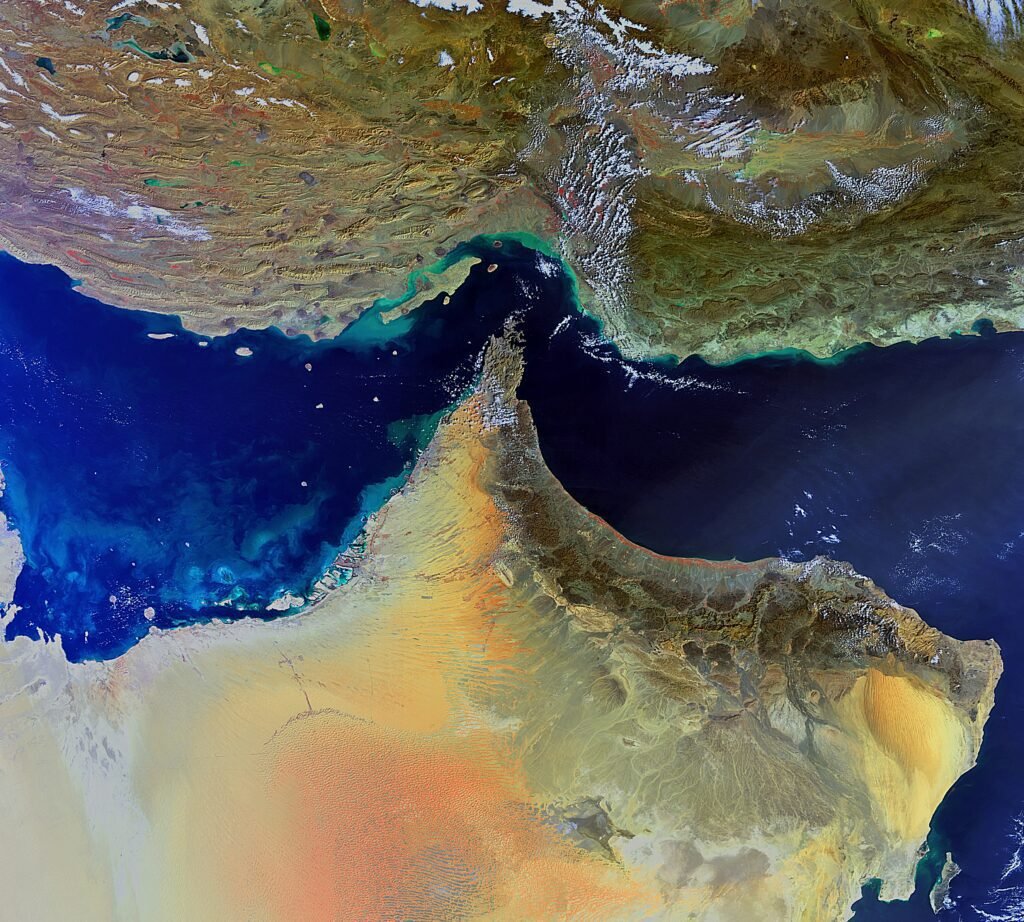
The Strait of Hormuz connects the Persian Gulf to the Gulf of Oman and is the only sea passage out of the Gulf to the Indian Ocean and beyond. One of the world’s most important chokepoints, 25% of the world’s traded oil and 20% of its natural gas pass annually through this narrow waterway. Iran lies to the north of the Strait of Hormuz, with the UAE and the Omani exclave of the Musandam Peninsula to its south. The strait is about 90 nautical miles in length and has a width of 52 to 21 nautical miles. To reduce the risk of collision, ships moving through the strait follow a traffic separation scheme with separate inbound and outbound lanes, each being two miles wide, separated by a two-mile-wide ‘median’. This further concentration of shipping within an already narrow strait increases its vulnerability to targeting and disruption.