I am delighted to bring you this issue dedicated to examining India’s China challenge. I belong to the school of thought that believes that India’s “China Challenge” is no longer a periodic crisis at the contested borders; it has become the permanent structural backdrop against which Indian strategic thinking must now be measured. It is India’s primary contradiction.
In this issue of India’s World, we move beyond the immediate headlines of disengagement or escalation to unpack the multidimensional nature of this contradiction. The “contradiction,” as our contributors demonstrate, is as much intellectual and technological as it is about the balance of forces on the Line of Actual Control.
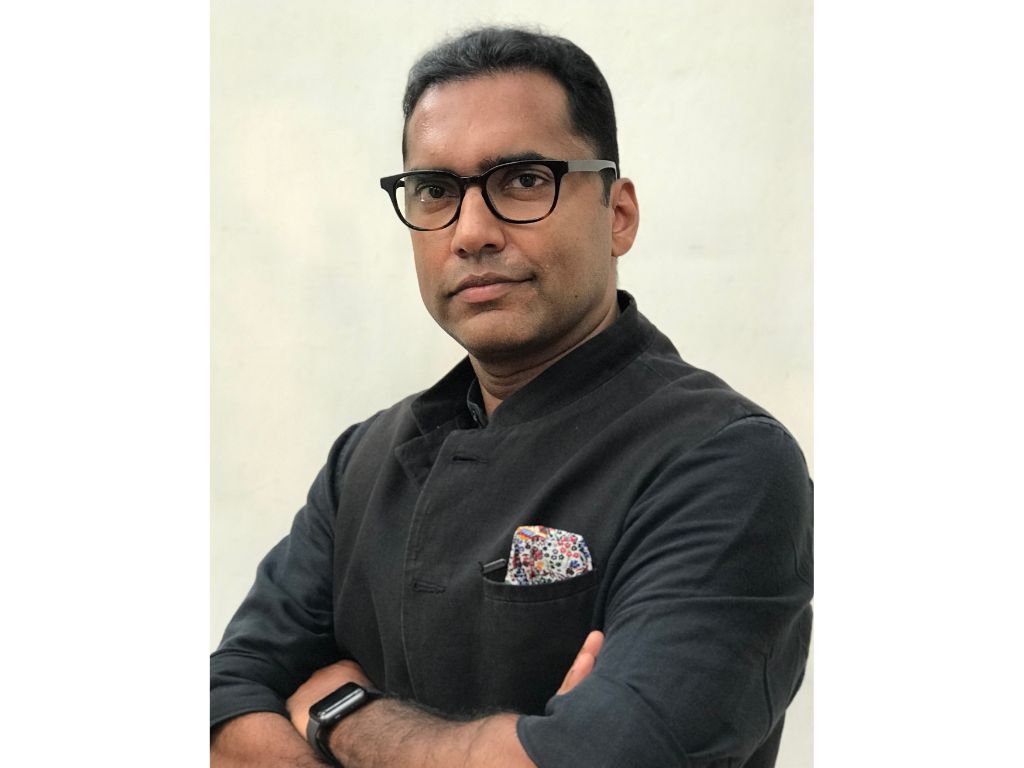
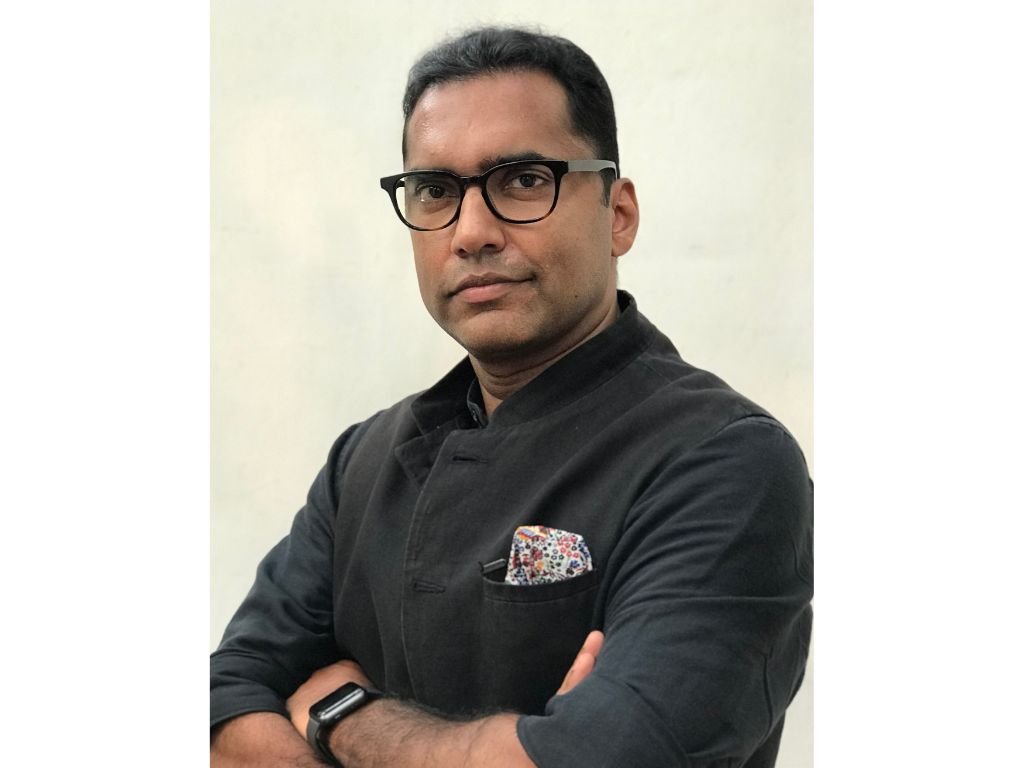
In this issue, curated under the sharp analytical oversight of Guest Editor Jabin Jacob, we begin with a strategic culture approach. Kajari Kamal provides a sobering reminder of how we often misread the classics. She cautions against the superficial application of Kautilya and Sun Tzu, as is often the case, which leads to flawed strategic mirroring. TSV Ramana follows by examining the persistent gaps in the Indian military’s understanding of the PLA.
Yet, the India–China contest will increasingly be fought in the laboratories and boardrooms rather than just in the heights of the high Himalayas. Venkat Raman explores the technological ascendancy fuelling Beijing’s rise, while Aravind Yelery highlights a gap that worries me even more: China’s significant lead in higher education. The presence of Chinese corporates within our borders, highlighted by Anand P. Krishnan, and the growing “China effect” on global economic governance, thoughtfully brought out by Priyanka Pandit, suggest that the challenge is internal as much as it is external.
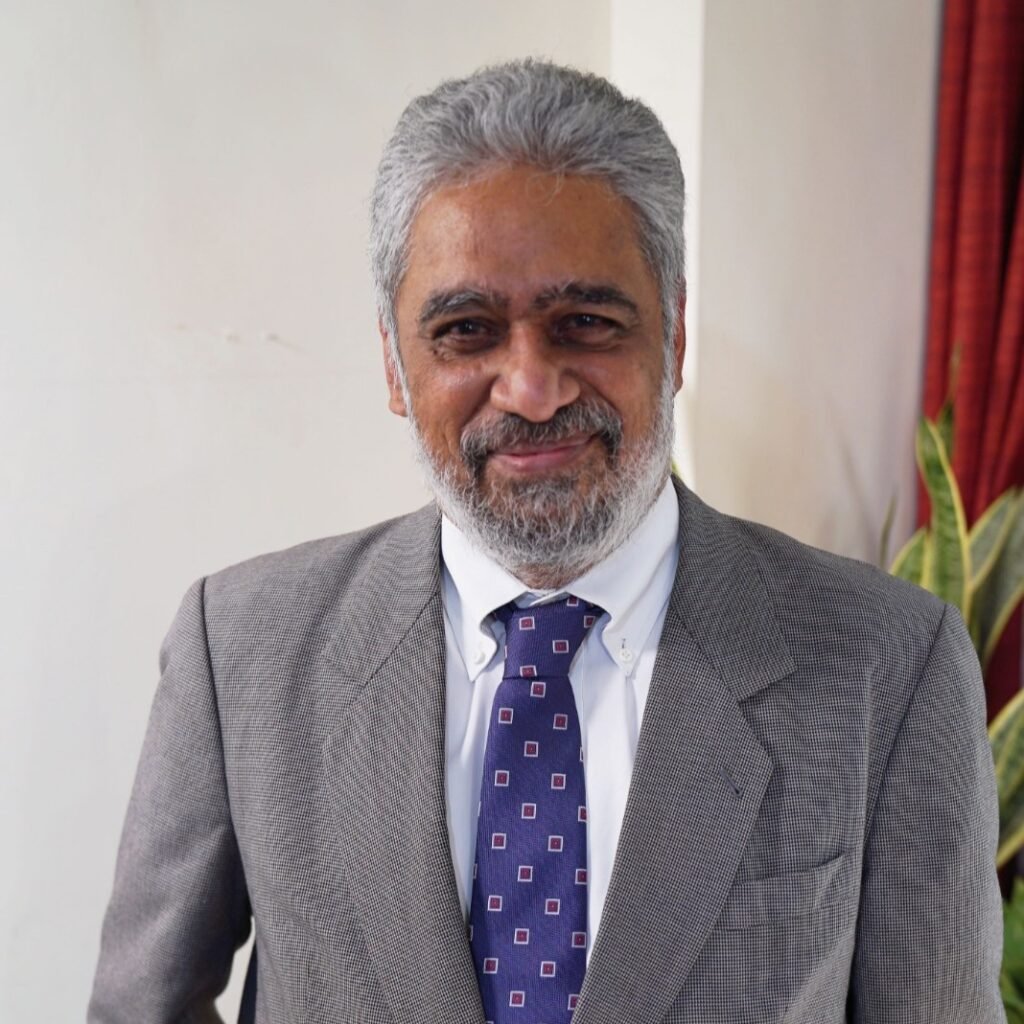
This issue also carries a deep-dive conversation with Ambassador Shyam Saran, whose experience and knowledge of China offer the strategic clarity required to navigate Beijing’s long-term ambitions. Knowing China cannot be done without a close look at the internal conversations within the country through science fiction, as Shanky Chandra explores, and its global investments in the most unlikely of spaces, such as cricket.
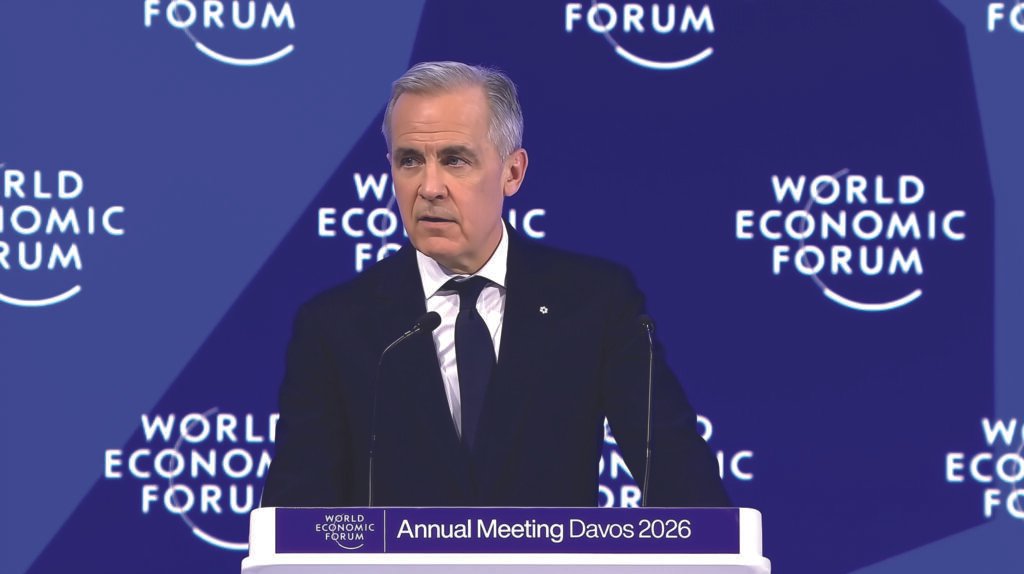
My personal favourites this time are Atul Mishra’s “Mark Carney’s Theory of International Order” and “Parallel Streets: Kunming Meets Kolkata” by Bijoy Chowdhury.
Finally, we wish to honour the memory of Avtar Singh Bhasin (1935–2026). As the indefatigable chronicler of India’s diplomatic history, his archival work remains the essential bedrock for any serious student of our history. My own work has benefited from his immense contributions.
I will end by noting that how India deals with its primary strategic contradiction, which is also its neighbour, trading partner and fellow aspirant for multipolarity, will define and shape its rise as a global power. India will first need to pass the China test to become a global power.
I hope you enjoy the rich fare of geopolitics, diplomacy, art and culture, book and film reviews, and interviews. I look forward to hearing from you. Write to me at editor@indiasworld.in

Happymon Jacob