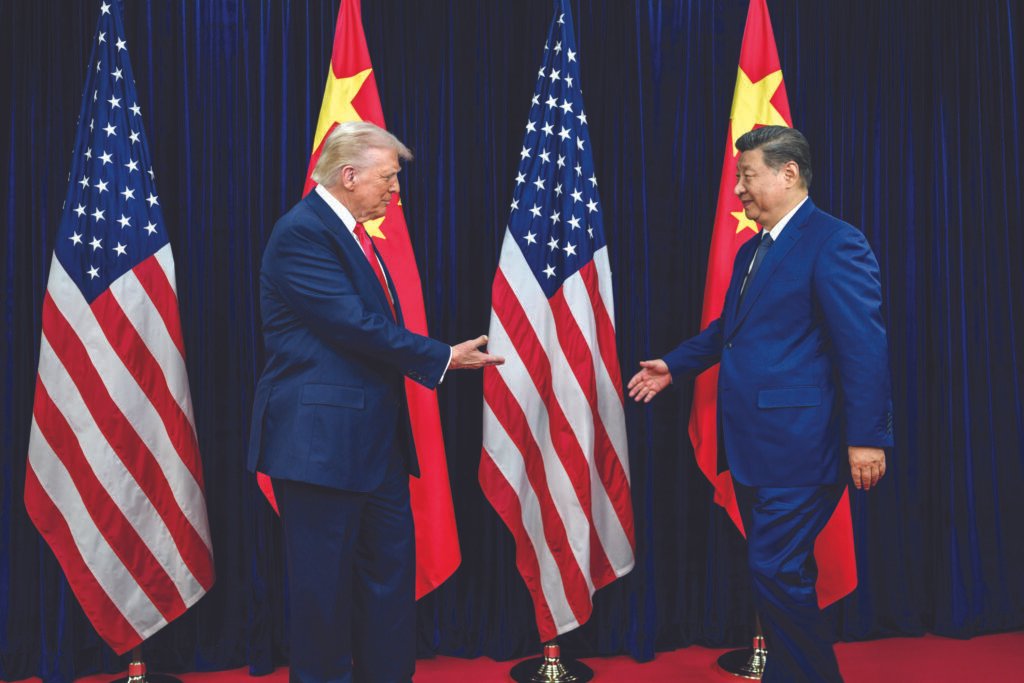
Though often cast as a struggle for power, U.S.–China competition is fundamentally a struggle over modernity. It is about which political and economic system can most effectively harness technology, shape global standards, and determine how future growth, governance, and innovation will be organised worldwide. As the U.S.–China tech war takes shape, the real question is: which system will ultimately define the contours of the world’s technological and political future?
U.S.–China strategic competition is often framed through the language of national supremacy and great-power rivalry. This, however, is a constricting lens. Certainly, the relationship carries elements of one-upmanship and systems competition. Yet at its core, the contest is not merely about the relative balance of power between the two countries. It is about which form of socio-political organisation can deliver the most effective economic, technological, and governance outcomes. It is about who gets to shape and control the engines of future economic growth and prosperity. And it is about who builds the technologies, standards, and systems upon which the world will depend and, in doing so, who determines the direction of modernity. Technology is the principal terrain on which this geopolitical struggle over modernity is being waged. Understanding the scope of this contest requires assessing each side across three domains, i.e., innovation capability, ability to coerce and blunt coercion, and global penetration in terms of the adoption of technologies, standards, and systems by others around the world.