For most of the past seven decades, India’s own East and its Eastern neighbourhood have been in the throes of restiveness if not periodic instability. The ongoing US–Iran war and the consequent energy crisis are exacerbating India’s challenges in the region.
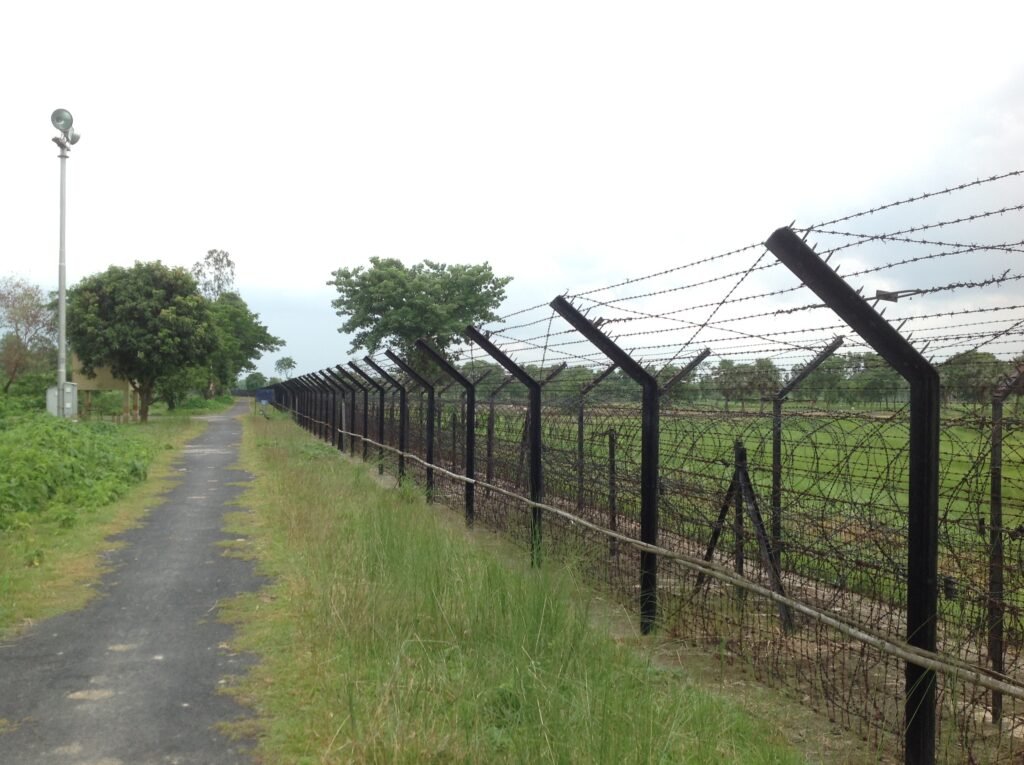
The social, economic, political and ethnic imprint across the Eastern border has generated different sets of bilateral issues for India. Each neighbour in the East poses different challenges: Myanmar’s ethnic overlap with India led to identity issues and years of insurgent movements. With Bangladesh, the open borders and cultural affinity led to large-scale migration into India. Nepal and India share unique open borders, marked by constant movement of people, while political differences between New Delhi and Kathmandu over the Tarai region and Madhesis continue.