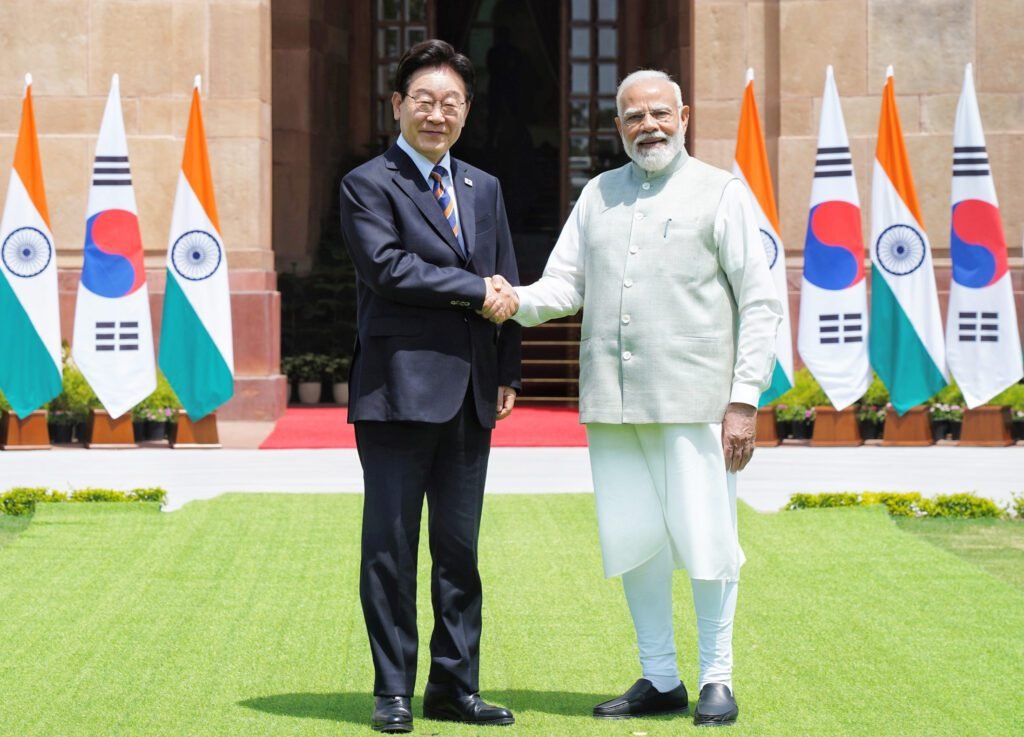
South Korean President Lee Jae-Myung’s three-day state visit to India from 19 to 21 April marks a decisive step in elevating India–Republic of Korea relations. The first visit by a South Korean head of state in eight years, it centres on strengthening the Special Strategic Partnership across trade, technology, and security.
Setting the Context
India and South Korea approached this visit with a shared understanding of global shifts. Supply chain disruptions, the conflict in West Asia, and mounting geopolitical uncertainty have pushed both countries to deepen trusted partnerships. President Lee set the tone ahead of the summit, stating that “India is no longer just a consumer market, but has emerged as a key country driving global production and supply chains,” and describing the visit as a potential “turning point, elevating Korea–India relations to an entirely new level.”
The PIB joint statement reinforces this framing. Both sides committed to working together “in concrete ways in multiple domains to bring lasting prosperity, peace and progress to their peoples” in a turbulent and fast-changing world.
A High-Level Visit with Economic Weight
President Lee arrived with his delegation comprising ministers, senior officials, and nearly 200 business executives assembled by the Korea Chamber of Commerce and Industry and the Federation of Korean Industries. The delegation included the chairs of Samsung, Hyundai, LG, POSCO, HD Hyundai, and Hyosung.
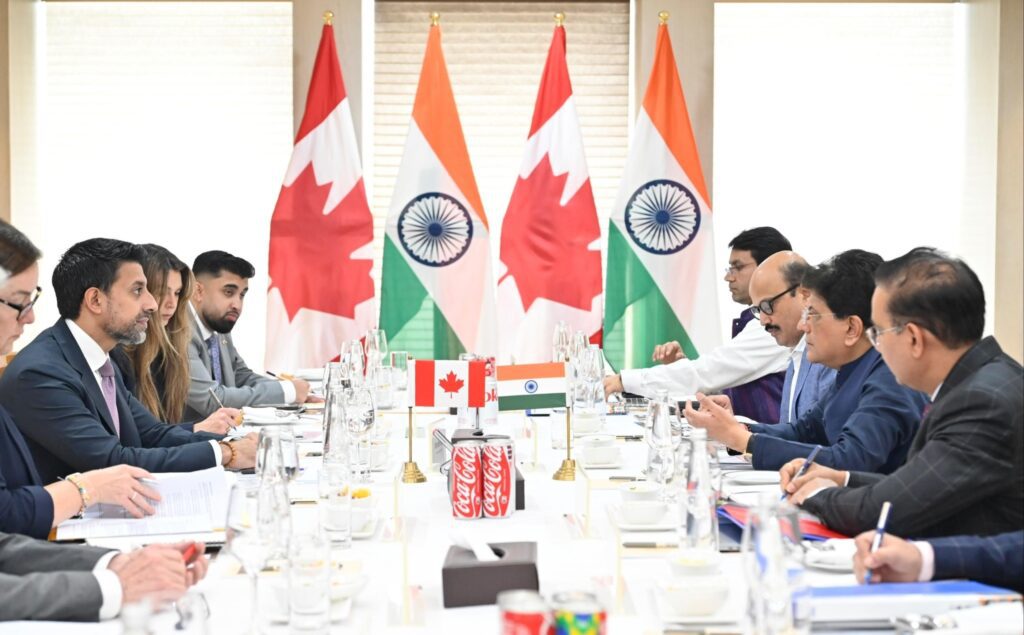
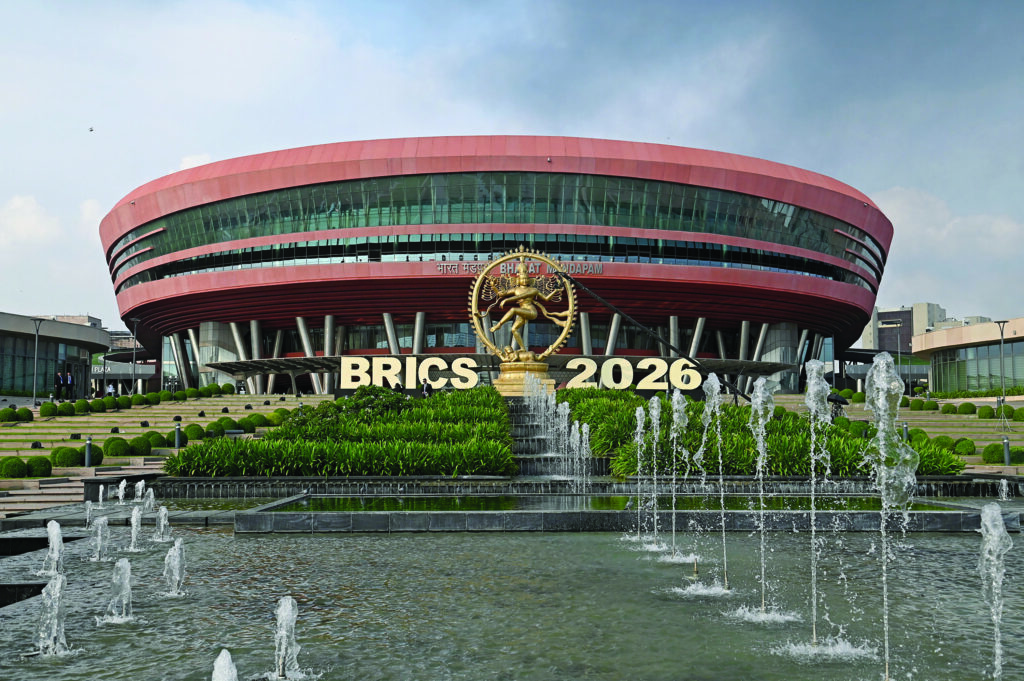
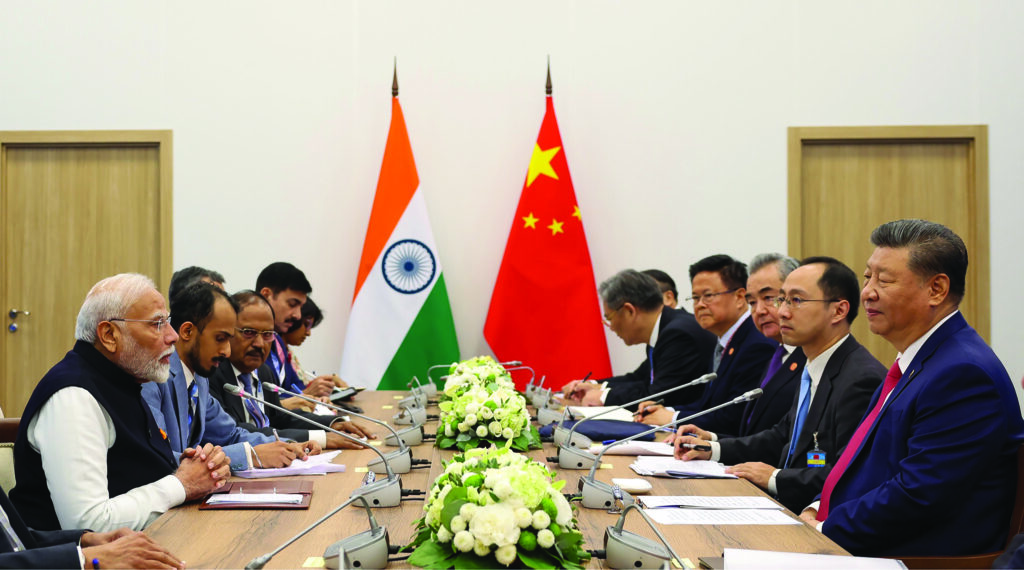
Modi and Lee held delegation-level talks on 20 April at Hyderabad House and attended a working lunch with business leaders from both sides. The India–ROK Business Forum at Bharat Mandapam brought industry together to drive investment and collaboration across key sectors.
The visit also built on prior engagement at the G7 in Kananaskis and the G20 in Johannesburg in 2025. Both leaders agreed to institutionalise this momentum, deciding to hold annual summits in either country or on the margins of international events.
A Five-Year Strategic Roadmap (2026–2030)
The visit produced 25 outcomes anchored in the Joint Strategic Vision for 2026–2030. Both sides agreed to launch an Industrial Cooperation Committee chaired by their respective industry ministers, expand ministerial dialogues, and strengthen coordination across finance, science, and technology.
Modi framed the ambition clearly: “We are going to transform this trusted partnership into a futuristic partnership. From chips to ships, talent to technology, entertainment to energy, India and South Korea will realise new opportunities.” President Lee echoed the shift, noting: “Now, we’re ushering in a new decade of the special strategic partnership.”
Economic cooperation forms the core of the visit’s outcomes. Both countries agreed to set a target of nearly doubling bilateral trade from its current $27 billion to $50 billion by 2030. At the joint press conference, President Lee stated: “We aim to increase the current $25 billion level of annual trade volume to around $50 billion by 2030.”
They also agreed to fast-track an upgrade of the Comprehensive Economic Partnership Agreement (CEPA). India expects CEPA 2.0 to address non-tariff barriers, boost services exports, and rebalance trade flows. Modi announced the establishment of a Korean Industrial Township to ease market entry for Korean SMEs. President Lee expressed surprise during the talks that only 700 Korean companies are currently present in India, suggesting the figure could be ten times higher. Both sides launched the India–Korea Financial Forum and an Economic Security Dialogue to support these goals.
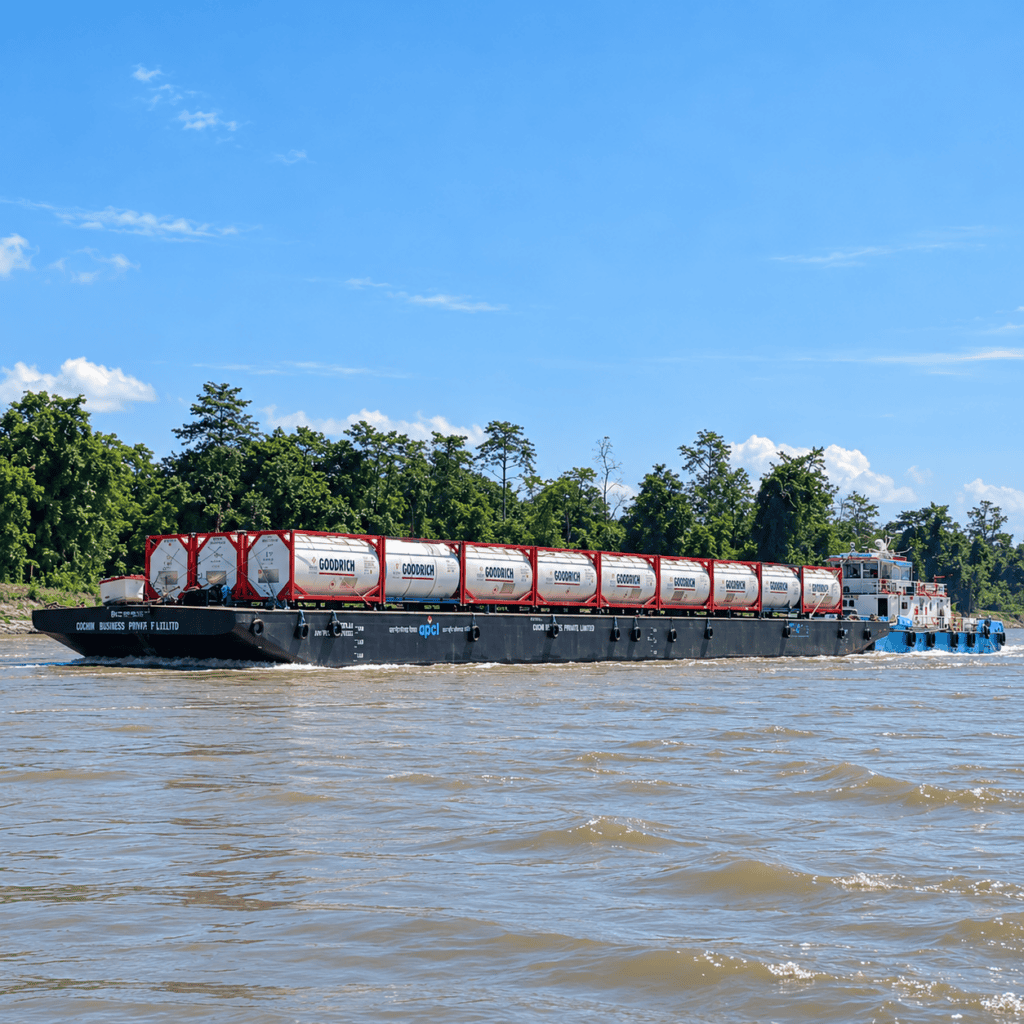
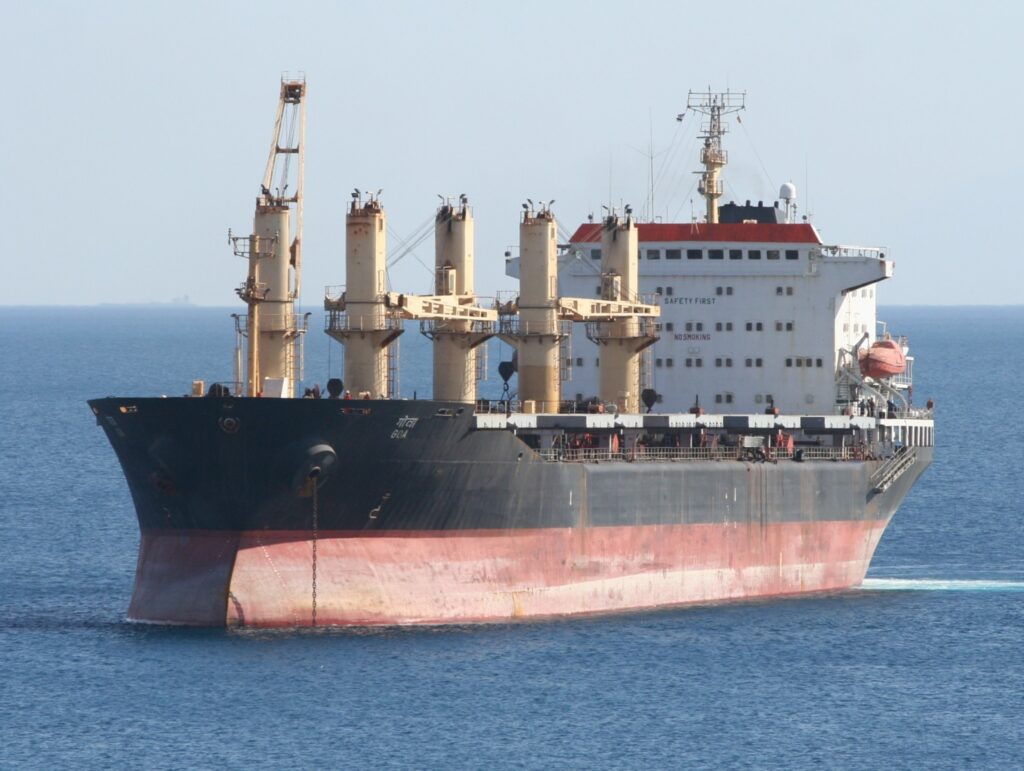
Shipbuilding has emerged as another flagship area of cooperation. Both sides adopted a Comprehensive Framework for Partnership on Shipbuilding, Shipping and Maritime Logistics. In the headline commercial agreement, HD Korea Shipbuilding and Offshore Engineering, supported by India’s Maritime Development Fund, will develop a large greenfield shipyard in southern India, focusing on block fabrication facilities and a new dry dock for large and specialised vessels.
Technology, Defence, and Space Cooperation
Both leaders launched the India–Korea Digital Bridge, combining India’s AI and engineering talent with South Korea’s semiconductor fabrication and precision manufacturing. NPCI International and the Korea Financial Telecommunications and Clearings Institute also signed an MoU for the phased integration of digital payment systems.
On defence, both sides reinvigorated the 2020 MoU on Defence Industry Cooperation, with the K9-Vajra howitzer joint venture serving as a model for future collaboration in air defence systems and other platforms. A Korea–India Defence Accelerator (KIND-X) was launched to connect businesses, incubators, investors, defence start-ups, and universities from both sides.
ISRO and the Korea AeroSpace Administration (KASA) agreed to form a Joint Working Group, and held an India–ROK Space Day in Bengaluru on 20 April.
Strategic Convergence in the Indo-Pacific
Both countries reaffirmed their commitment to a free, open, and rules-based Indo-Pacific. South Korea joined the India-led Indo-Pacific Oceans Initiative, and both sides agreed to hold the inaugural Defence and Foreign Affairs 2+2 Dialogue at the vice-minister level. President Lee described the two nations as “most ideal partners for comprehensive cooperation to promote mutual growth and innovation” in an era of uncertainty. Modi added: “In this period of global tensions, India and Korea together convey a message of peace and stability.”
The Bigger Picture
President Lee’s visit establishes a clear five-year direction for India–South Korea ties. With a structured roadmap, a $50 billion trade target, deepened cooperation across shipbuilding, semiconductors, and defence, and a 2028–29 Year of India–Korea Friendship, the relationship now integrates economic scale, industrial capability, and strategic coordination into a single framework, positioning it as one of Asia’s most consequential middle-power partnerships.
This article has been researched, edited, and fact-checked by India’s World staff and prepared with AI assistance.