From political uncertainty in Israel to Brazil’s changing political landscape, October offered no shortage of consequential developments in international politics. As these events unfolded, what were readers of world affairs turning to for perspective? Here are the five best-selling non-fiction books at Bahrisons Booksellers, New Delhi, in October 2026.
Regime Change: Inside the Imperial Presidency of Donald Trump
Maggie Haberman & Jonathan Swan | Simon & Schuster, 2026

What has changed in Donald Trump’s approach to presidential power during his second term? In Regime Change, New York Times journalists Maggie Haberman and Jonathan Swan offer an account of the administration’s first year, drawing on their reporting and access to the White House. The book examines how Trump has expanded the reach of executive authority, challenged institutional constraints, and reshaped the relationship between the presidency and other centres of power. Through accounts of meetings and key decisions, the authors explore the implications of an increasingly assertive American presidency for domestic institutions and international politics.
Birth of a Nation: The Twenty-One Days That Made India
Josy Joseph | Westland, 2026
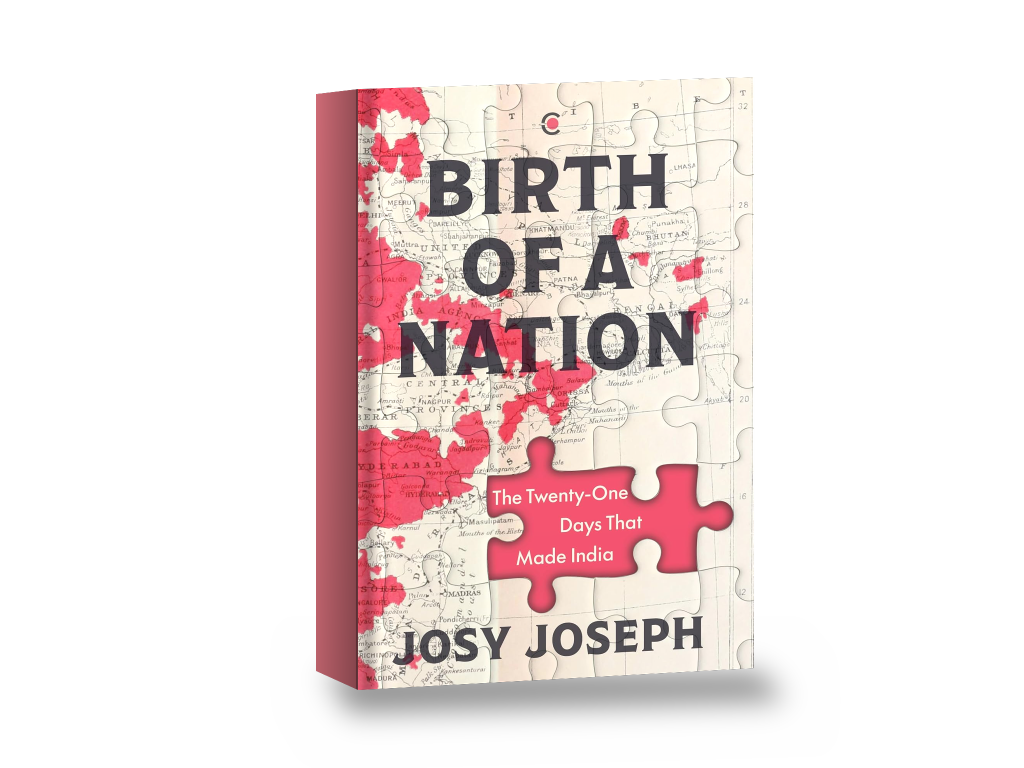
India’s independence in 1947 was also a race against the possibility of territorial fragmentation. In Birth of a Nation, investigative journalist Josy Joseph revisits the 21 days between 25 July and 14 August 1947, focusing on the princely states and the negotiations that determined their future. Drawing on archival records, he reconstructs the efforts of Sardar Vallabhbhai Patel and V.P. Menon to bring the rulers into the Indian Union, even as some contemplated independence and pursued their own diplomatic and economic arrangements. The book offers a fresh perspective on the political and administrative challenges behind the making of independent India.
On China: Reflections on Chinese Statecraft
Vijay Gokhale & Chirayu Thakkar | Rupa, 2026
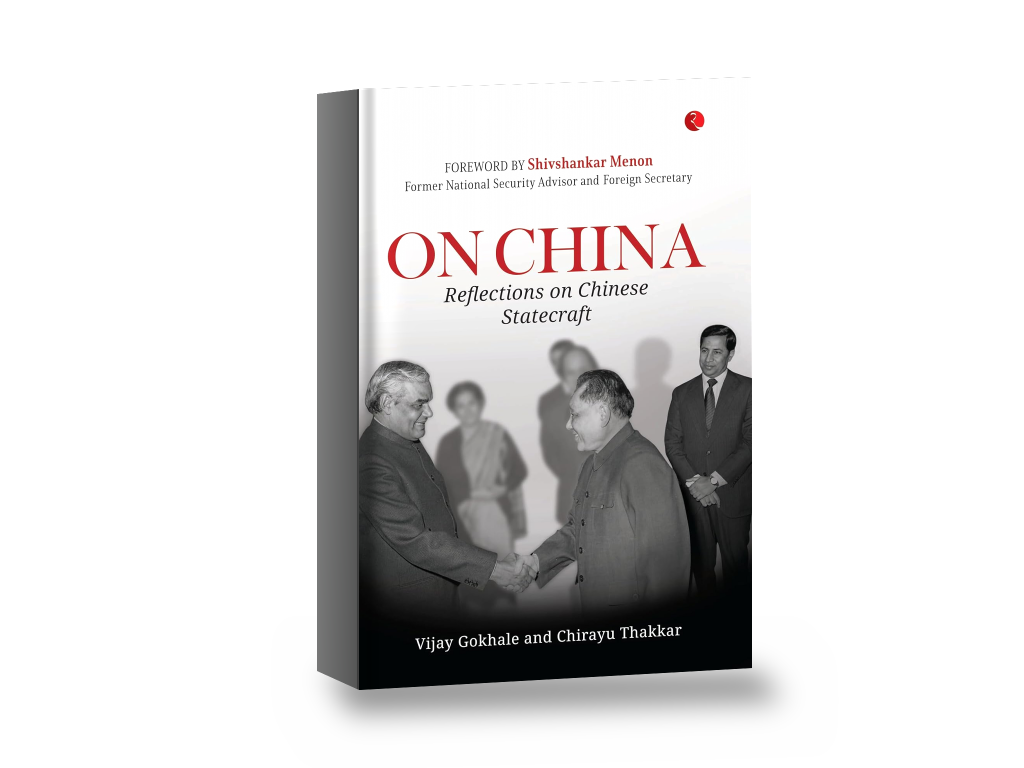
How did Indian diplomats understand China in the aftermath of the 1962 war? On China brings together essays written by former foreign secretary Jagat Mehta during the 1960s for colleagues in the Ministry of External Affairs. Curated by former foreign secretary Vijay Gokhale and strategic affairs scholar Chirayu Thakkar, the volume examines Chinese history, political institutions, governance, and Beijing’s long-term strategic ambitions. Drawing on a period when India was reassessing its relationship with its neighbour, the essays offer a historical window into Indian diplomatic thinking and raise questions about the continuity of India’s own strategic culture.
What Happened to Liberal Democracy? Remaking a Politics of Shared Prosperity
Daron Acemoglu | Profile Books, 2026
Why has liberal democracy struggled to sustain the promises on which it was built? In What Happened to Liberal Democracy?, Nobel laureate Daron Acemoglu examines how a political philosophy rooted in equality, shared prosperity, democratic governance, and the free pursuit of knowledge gradually became associated with elitism and growing inequality. He traces how economic and technological transformations, alongside the concentration of political influence among educated elites, contributed to the erosion of public trust and the rise of autocratic politics. Rather than treating this decline as inevitable, Acemoglu argues for rebuilding liberal democracy around shared prosperity and greater participation in shaping the future.
After Nations: The Making and Unmaking of a World Order
Rana Dasgupta | Allen Lane, 2026
Is the nation-state still capable of organising the world’s political and economic life? In After Nations, writer Rana Dasgupta traces the historical emergence of the nation-state and examines the forces now challenging its authority. He argues that the international order, built around national sovereignty, is increasingly unsettled by economic inequality, ecological pressures, geopolitical competition, and the growing influence of technology corporations. From the historical development of European systems of law and money to the restoration of Chinese power, Dasgupta examines how the foundations of the modern world order were established and why they may no longer be adequate. The book invites readers to consider new ways of imagining citizenship, governance, and collective responsibility beyond national boundaries.