A selection of recent books shaping debates on economics, politics, and social life at large.
Bridging the Gulf: The Remaking of the India–UAE Relationship
By: Navdeep Suri
Published: October, 2026
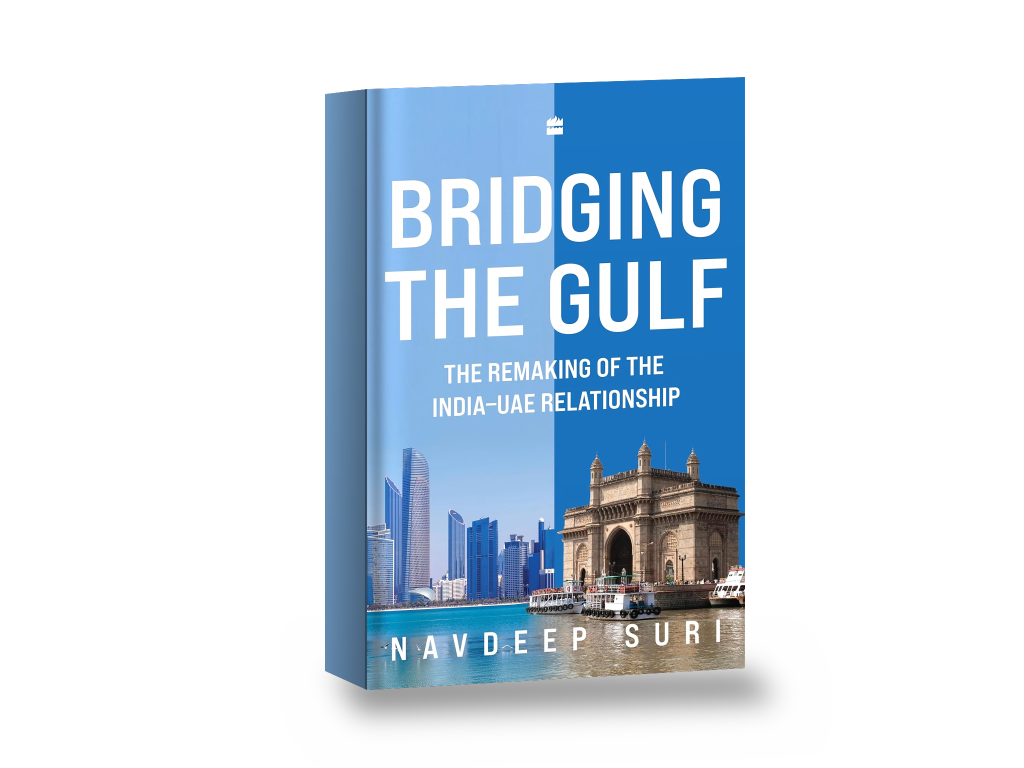
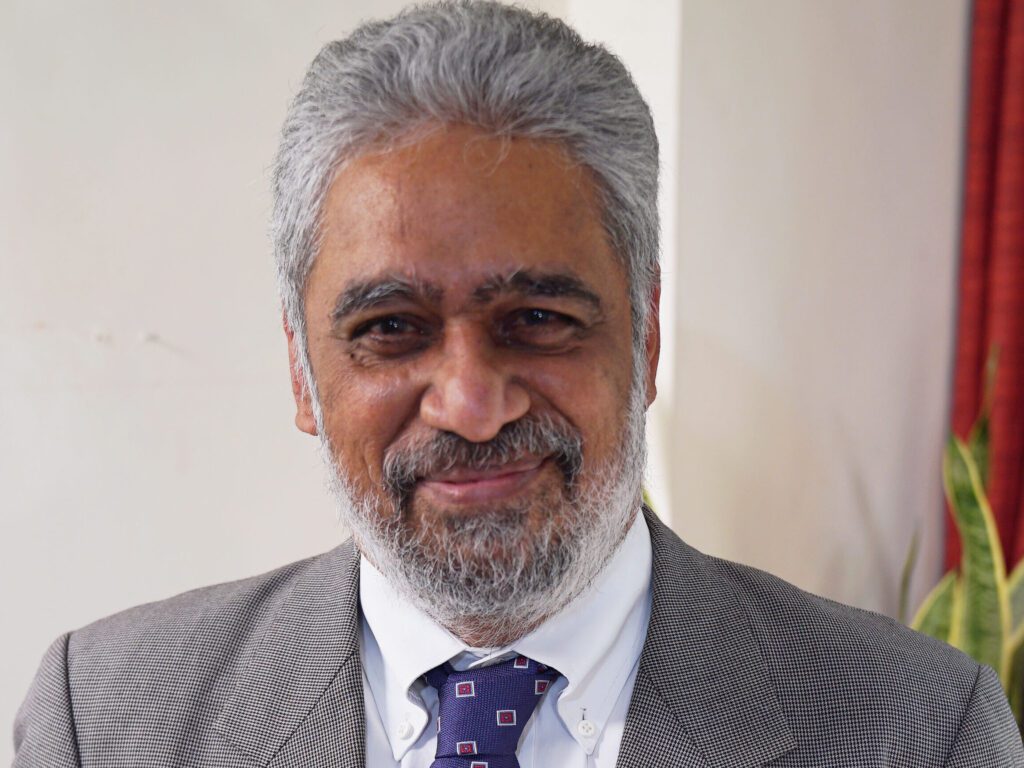
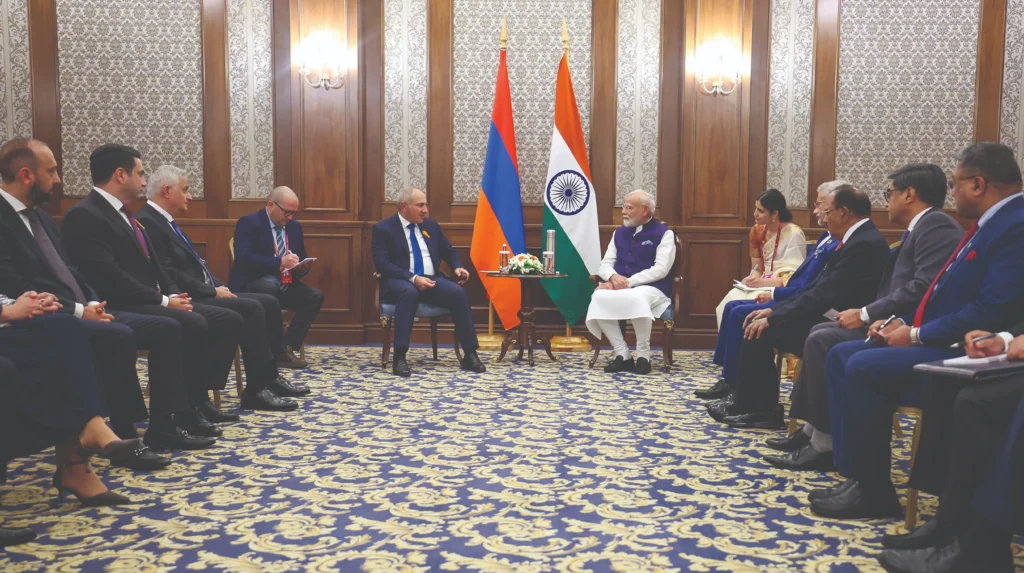
In Bridging the Gulf, former Indian Ambassador to the UAE Navdeep Suri traces the historical and diplomatic foundations of one of India’s most important contemporary partnerships. Drawing on his diplomatic experience, interviews with key participants, and archival research, Suri examines how centuries of trade, migration, and cultural exchange across the Arabian Sea shaped relations between India and the Gulf. He explores Bombay’s historical role as a trading hub, the circulation of the Indian rupee in the region, and the gold trade that connected Indian and Emirati markets. Moving beyond contemporary strategic cooperation, Suri brings together commercial history and behind-the-scenes diplomatic accounts to explain how an old relationship acquired renewed significance in the twenty-first century.
The Ideas That Shaped Modern India and Its Economy: 1870–2017
By: Niranjan Rajadhyaksha
Published: October, 2026
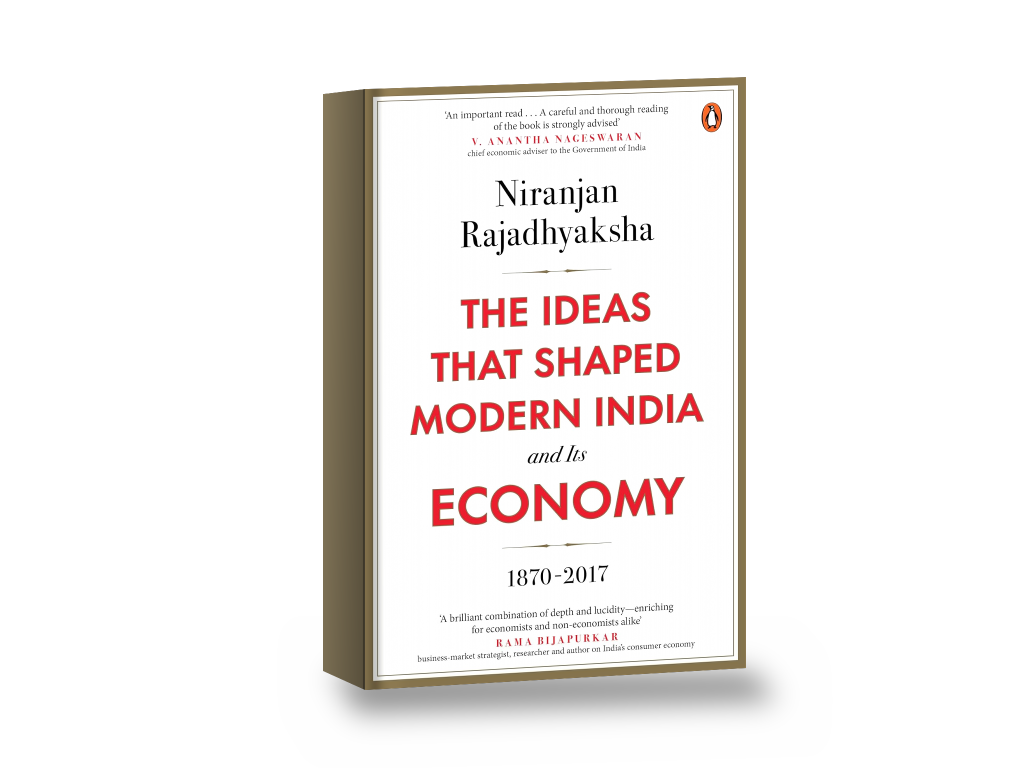
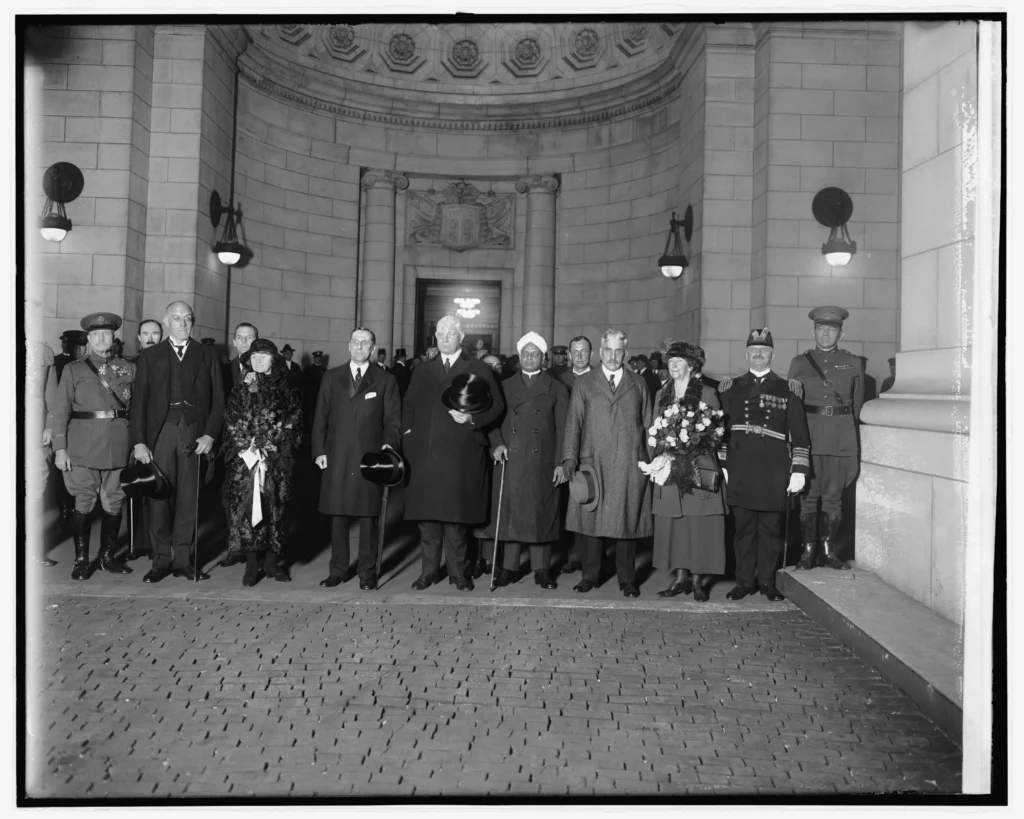
In The Ideas That Shaped Modern India and Its Economy, economist and writer Niranjan Rajadhyaksha traces nearly 150 years of Indian economic thought, examining the ideas that influenced the country’s transition from colonial rule to independence, nation-building, and economic liberalisation. Beginning with the nineteenth-century Marathi thinker Gopal Hari Deshmukh, better known as Lokhitwadi, Rajadhyaksha explores how Indian intellectuals and policymakers approached the question of wealth creation and national prosperity. The book revisits enduring debates over the respective roles of markets and the state, the importance of domestic economic capabilities, and India’s engagement with the global economy. Rather than presenting economics as a succession of policies, Rajadhyaksha places intellectual debates at the centre of the country’s economic transformation.
Xi Jinping Era: Transforming China’s and Global Governance
By: B. R. Deepak
Published: October, 2026
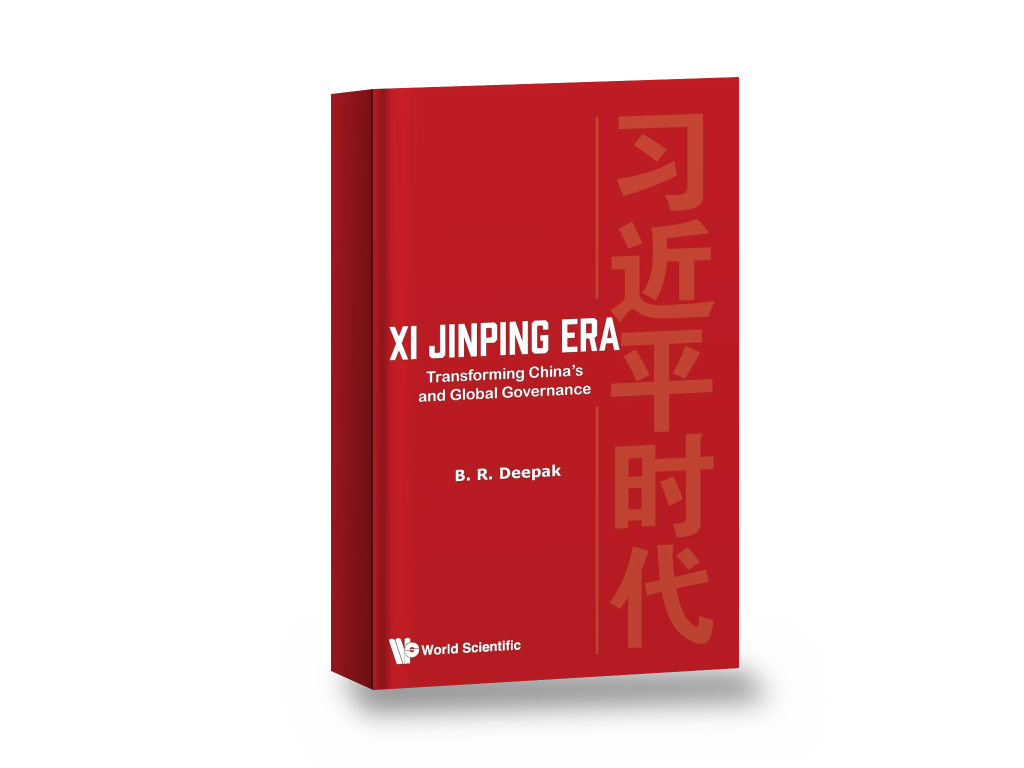
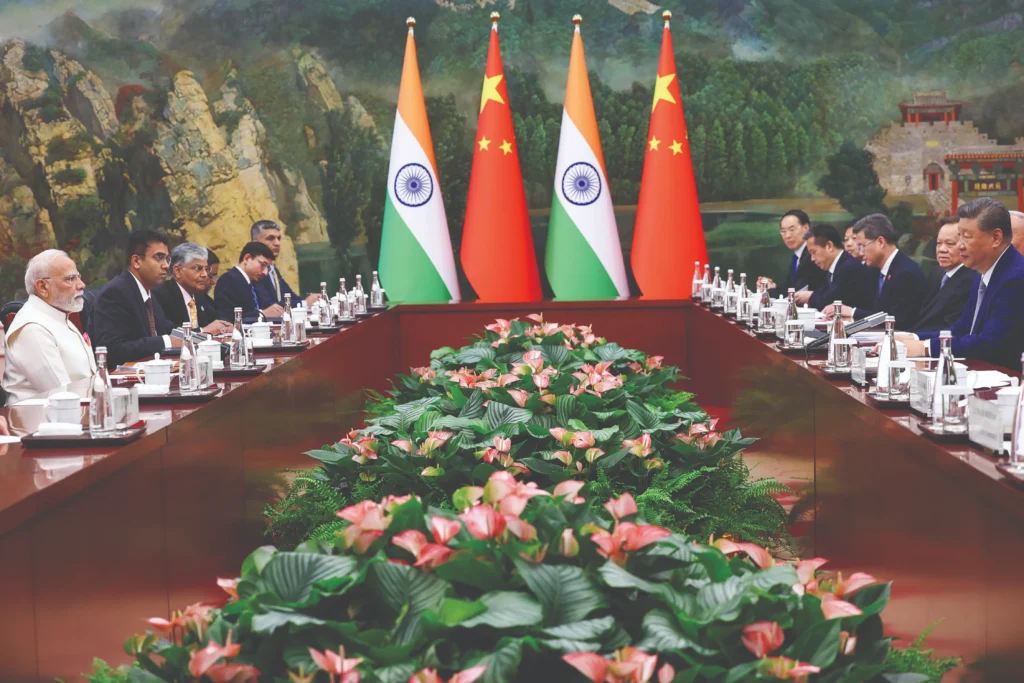
In Xi Jinping Era, China scholar B. R. Deepak examines the political thought, governing philosophy, and leadership approach of Chinese President Xi Jinping. Drawing extensively on Chinese-language primary sources, including official documents, interviews, and accounts of Xi’s earlier administrative experience, Deepak traces the evolution of his political outlook from his grassroots years to the leadership of the Communist Party of China and the state. The book explores China’s approach to global governance through the Belt and Road Initiative, Chinese-style modernisation, the four global initiatives, and the concept of a shared future for humanity. Moving beyond personality-centred accounts of Xi’s leadership, Deepak places China’s domestic political trajectory alongside its expanding ambitions and influence in international affairs.
Sea Change: The New Great Game in the Arctic Circle
By: Rana Foroohar
Published: October, 2026
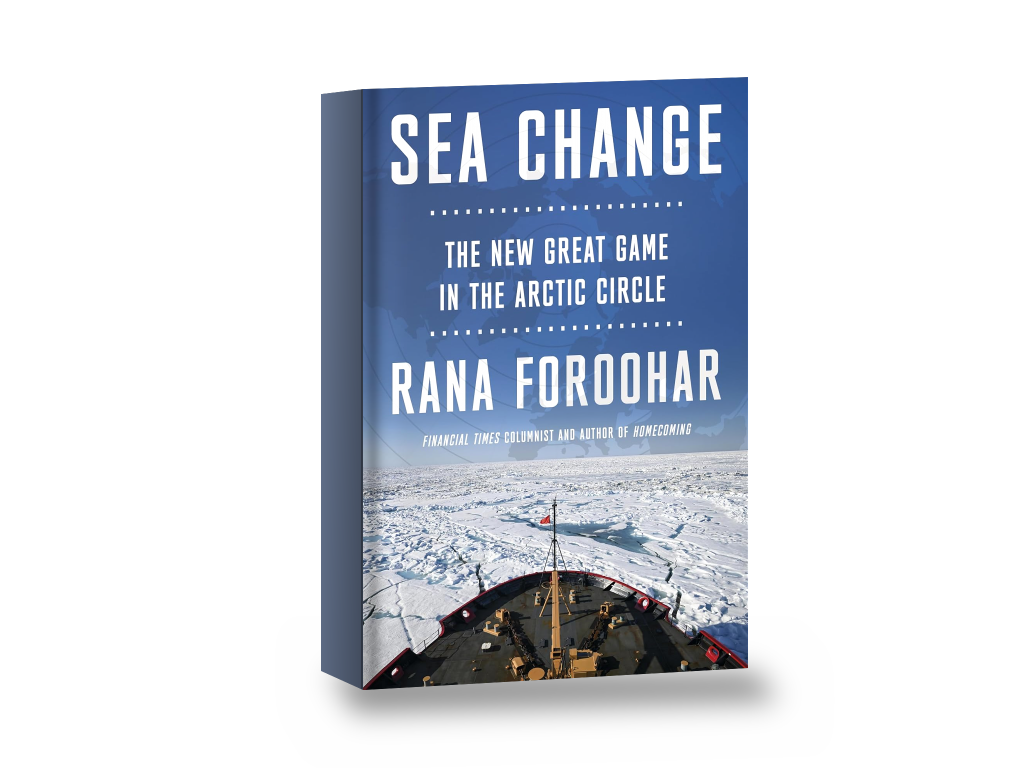
In Sea Change, columnist Rana Foroohar examines the Arctic’s emergence as an arena of geopolitical and economic competition among major powers. As climate change accelerates the melting of polar ice and makes new shipping routes increasingly accessible, the region is attracting growing interest from the United States, Russia, and China. Drawing on reporting from aboard an American Coast Guard icebreaker and conversations with officials, military personnel, and industry representatives, Foroohar explores the strategic importance of Arctic shipping lanes, natural resources, undersea cables, and maritime infrastructure. Connecting climate change with industrial policy, trade, and national security, the book argues that control of the Arctic’s emerging maritime infrastructure could have far-reaching consequences for the global balance of power.
On the World Stage: My Years in Diplomacy
By: Ruchira Kamboj
Published: October, 2026

In On the World Stage, former Indian diplomat Ruchira Kamboj reflects on a career spanning some of the most consequential arenas of India’s international engagement. Having represented India at the United Nations and UNESCO, and served as ambassador to Bhutan and South Africa, Kamboj offers an account of the negotiations, diplomatic encounters, and institutional processes that shaped her years in public service. Moving between multilateral diplomacy and bilateral engagements, she revisits the challenges of representing India’s interests in an evolving international order and the changing nature of its global role. The memoir offers insights into the workings of international institutions, the complexities of diplomatic negotiations, and the responsibilities of representing a country in an increasingly contested world.