The Nepalese Civil War was a decade-long insurgency that reshaped Nepal’s political and social landscape, resulting in over 17,000 deaths and more than 1,300 disappearances. The conflict was marked by widespread human rights abuses, including arbitrary detention, torture, displacement, and sexual violence, particularly against women. Despite the promises of justice embedded in the 2006 peace process, Nepal’s transitional justice mechanisms have struggled to deliver accountability, with survivors of sexual violence often sidelined due to stigma, fear, and institutional inaction.
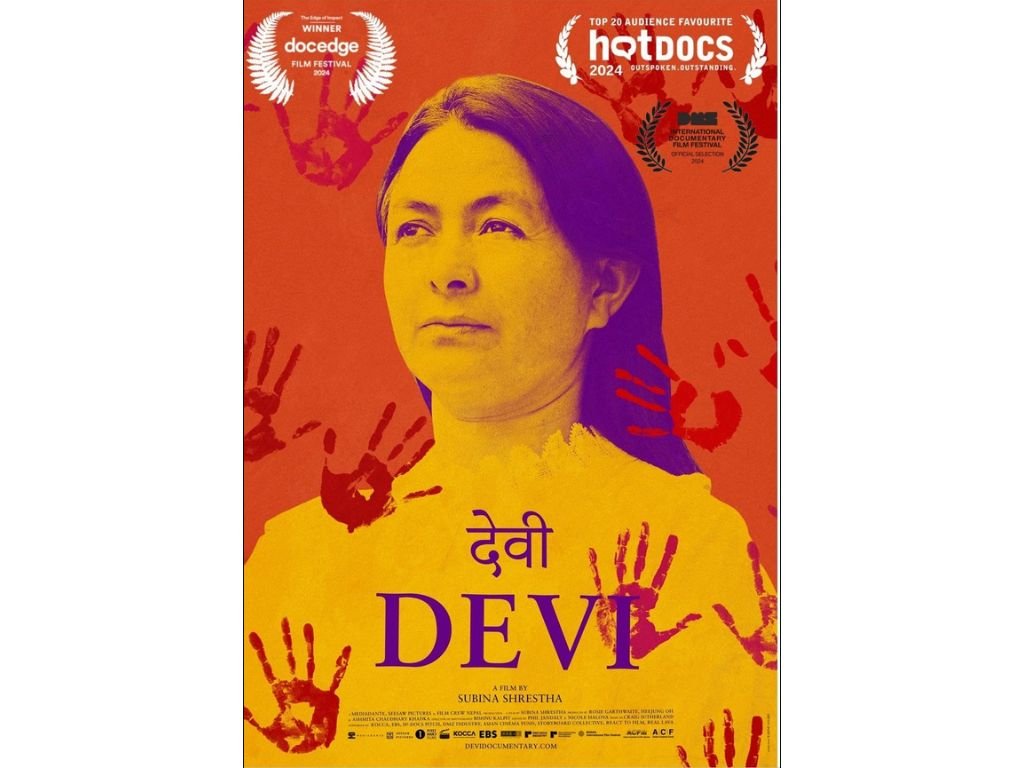
Directed by Subina Shrestha, Devi is an 82-minute documentary that follows Devi Khadka, a survivor of wartime sexual violence, as she seeks recognition for her story within Nepal’s official war narrative. Premiering at Hot Docs Canadian International Documentary Festival, the film adopts an intimate vérité style, blending Khadka’s diary readings, archival footage, and present-day activism. Without narration, Khadka’s voice guides the film. The documentary not only traces Khadka’s journey from trauma to advocacy but also exposes the systemic failures of institutions like the Truth and Reconciliation Commission Nepal, highlighting how political compromises have often prioritised reconciliation over justice.
Devi has been recognised on the international festival circuit, earning a Special Mention for Best Social Impact Documentary at Hot Docs and winning the Jury Award at Film Southasia. The film is worth watching not only for its powerful storytelling but also for its urgent relevance. It challenges viewers to confront the gaps between peace agreements and lived justice, and underscores how storytelling itself can become an act of resistance against erasure.