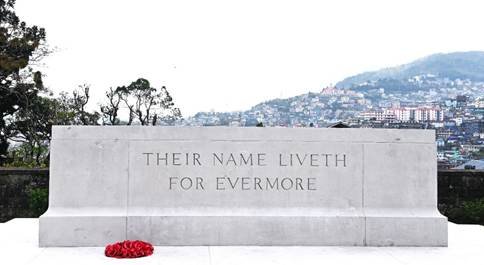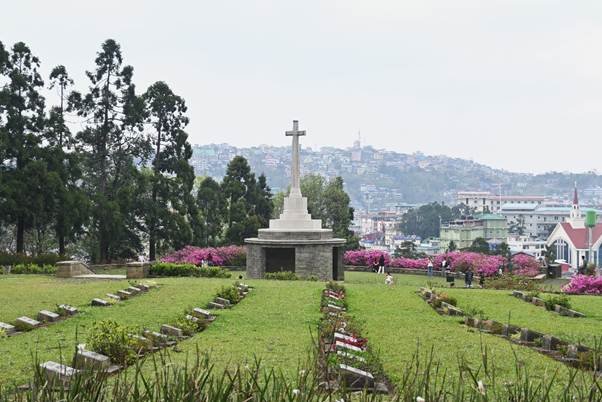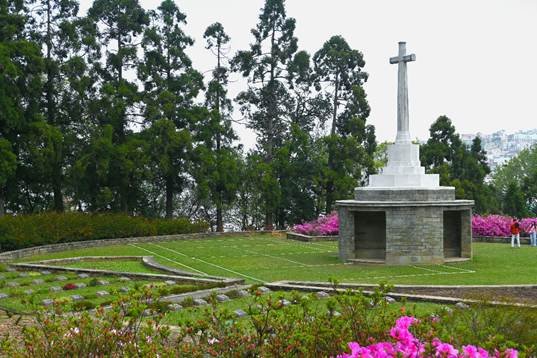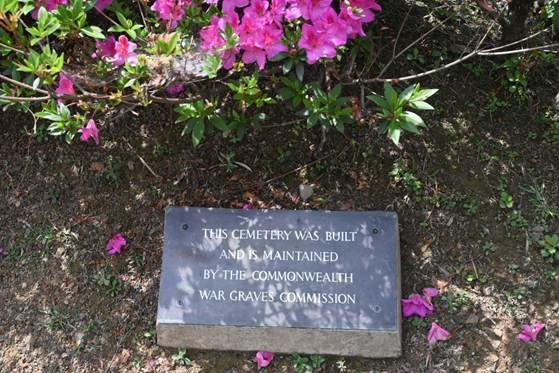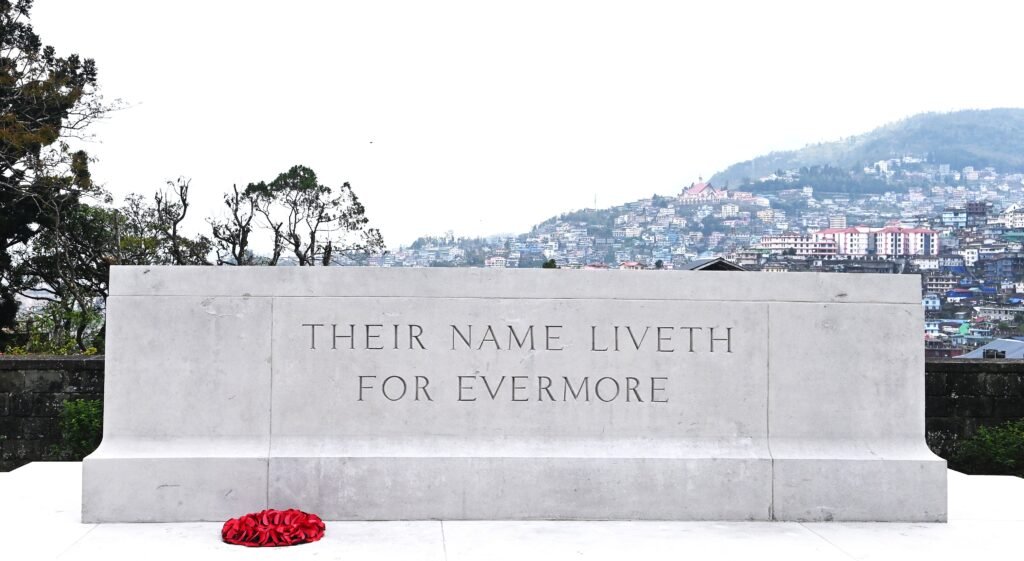
As one approaches Kohima in Nagaland, the Kohima War Cemetery comes into view amid the hustle and bustle of the city, yet marked by a quiet sense of dignity and valour. Designed by Colin St. Clair Oakes, it stands firmly atop Garrison Hill, at the very heart of Kohima town. Alongside the Imphal War Cemetery, it points to a deeper political reality which marks the violent negotiations through which India’s farthest eastern boundary with Burma was secured and defined.
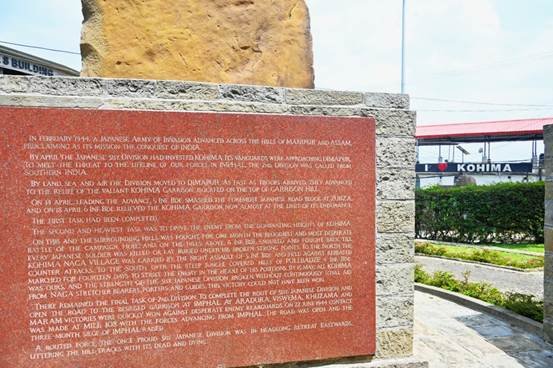
The story it holds is rooted in one of the fiercest battles, the Battle of Kohima, that took place during April-May 1944. The battle was fought with such ferocity and strategic intensity that it is more profoundly called “the Stalingrad of the East.” It halted the advancing 31st Division of the Japanese forces under their U-Go mission, which aimed to take over India’s Northeast. The victory of the British Indian Army came at a heavy cost, with over 1,800 lives lost.
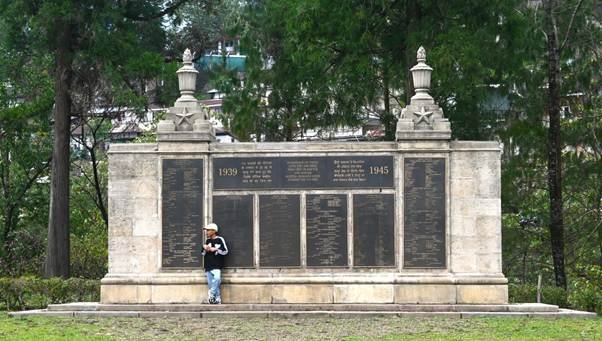
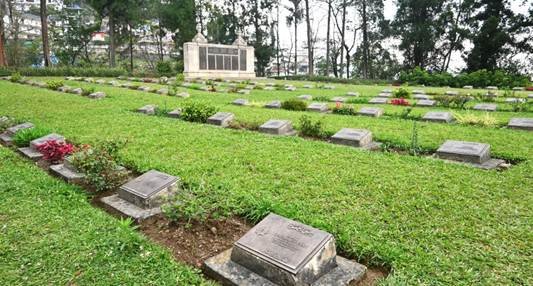
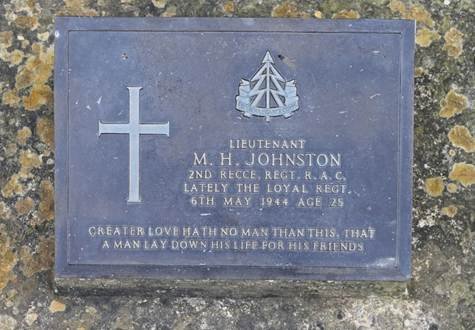
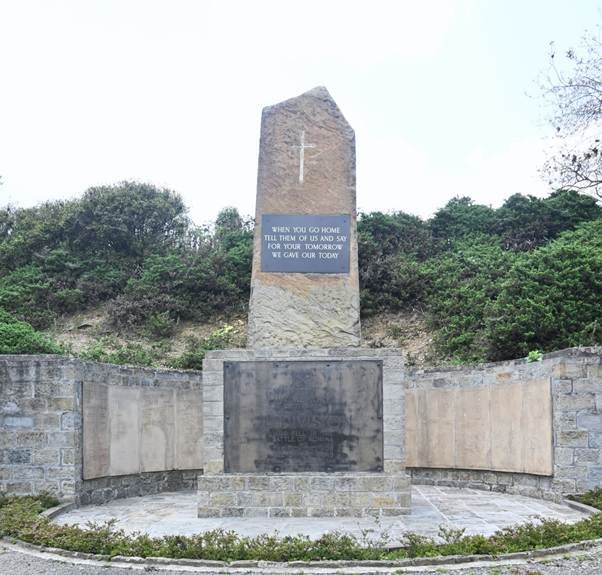
In the cemetery, the endless rows of graves and carved names commemorate the gallantry of the fallen British and Indian soldiers. As one walks upward through the cemetery, the graves rise along the slope, leading to its highest point, where a memorial honours the Indian soldiers. There, inscribed in solemn words: “In honour of these officers and men who died in battle and whose mortal remains were committed to fire”. At the lower end, another memorial stone stands dedicated to the 2nd Division, carrying the now-famous epitaph: When you go home, tell them of us and say, for your tomorrow, we gave our today. The words linger, making the present feel heavier, as if the “tomorrow” they imagined is the very life we are living now.
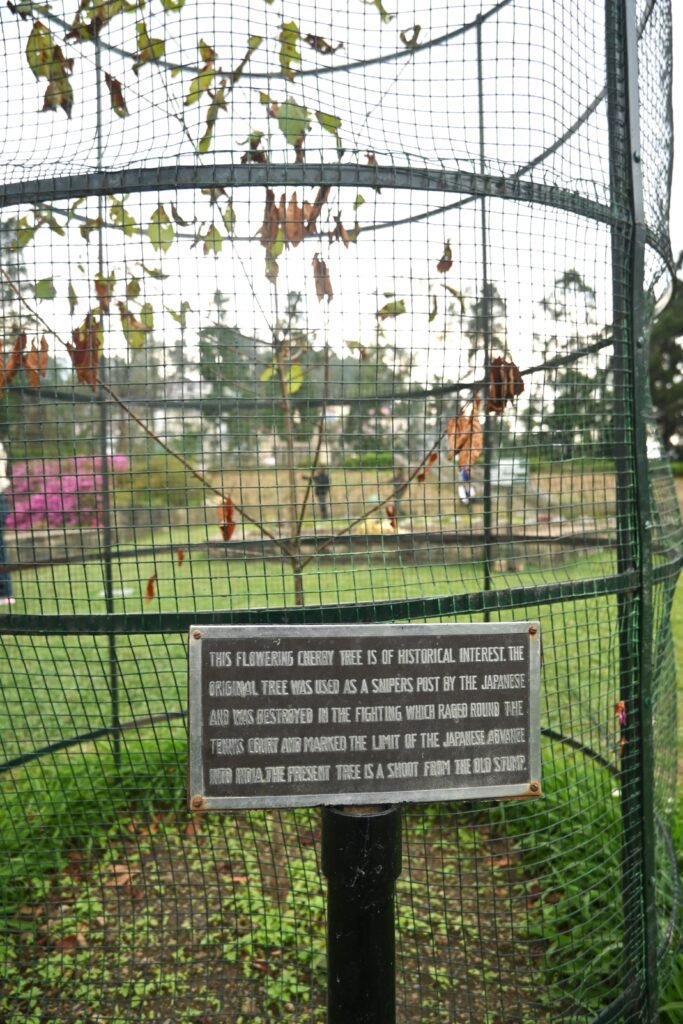
At the heart of the cemetery rises the Cross of Sacrifice that stands tall, still, and watchful. Just underneath it lies what was once an ordinary tennis court, now remembered as one of the fiercest battlegrounds of the Battle of Kohima. Beside the Cross stands a cherry plant, recalling the tree once used by Japanese snipers as a vantage point. The stories embedded in this ground shape the identity of Kohima.