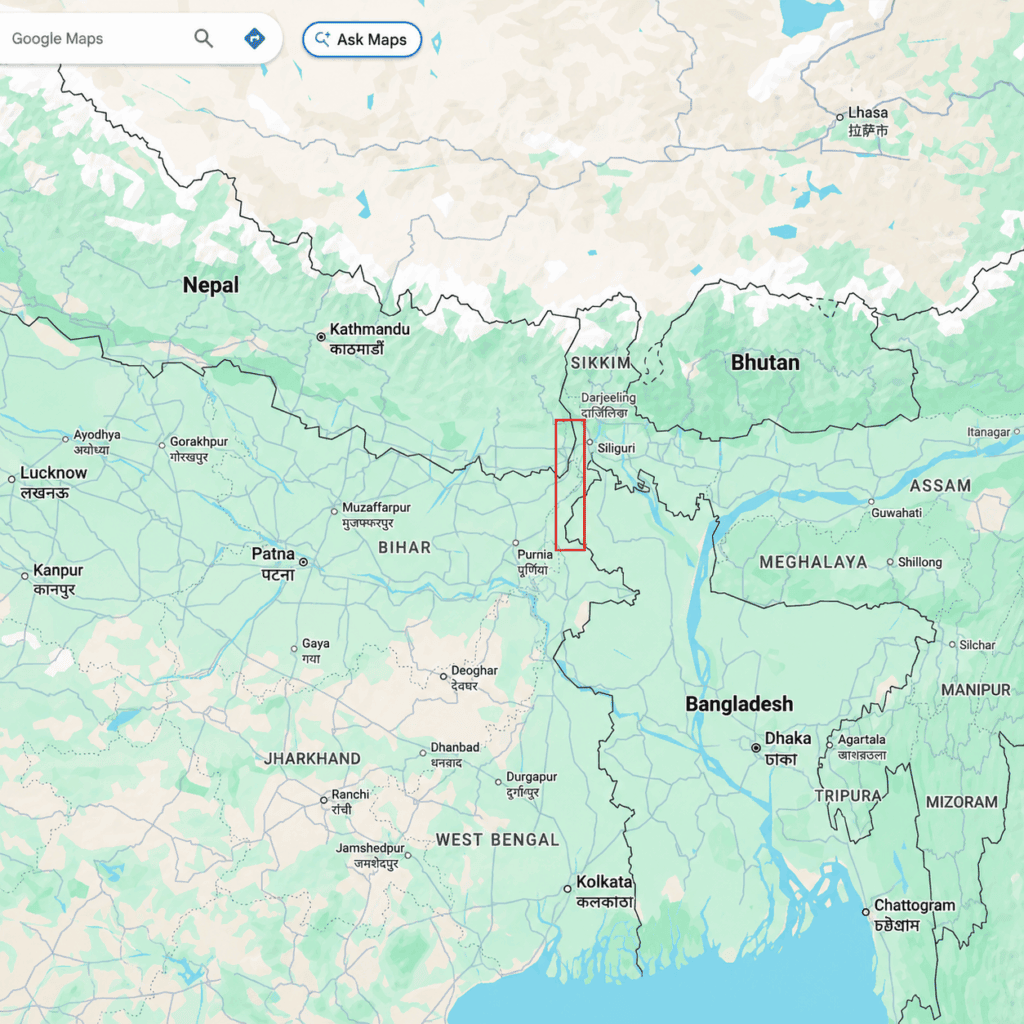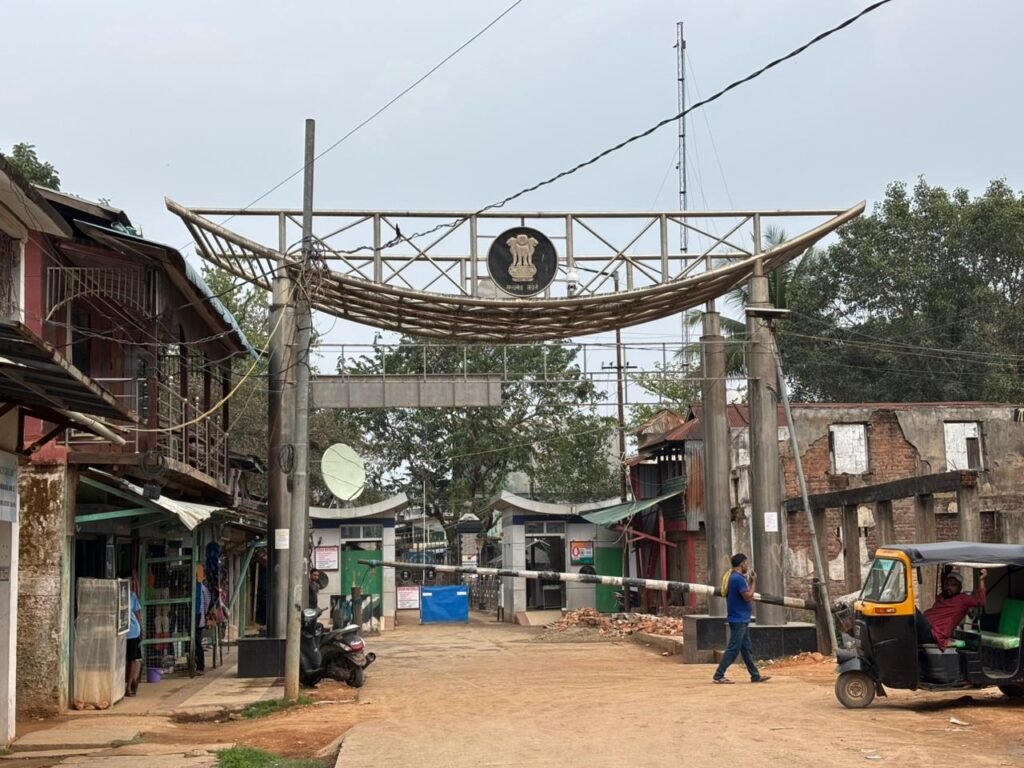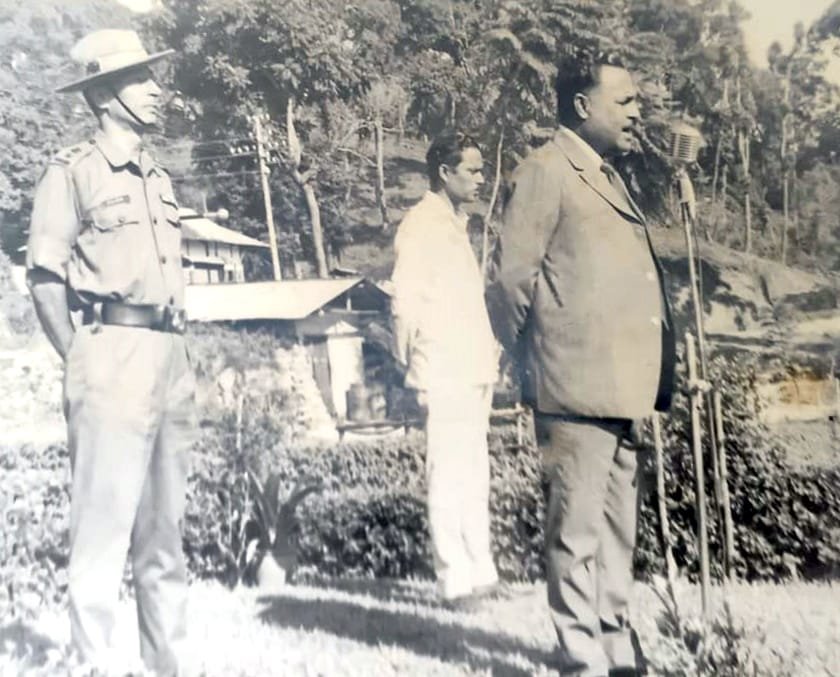
Much of what determined the outcome of 1971 remains obscured by its dramatic finale. Behind the swift military victory lay years of preparation by the Special Service Bureau, which cultivated a network of resistance inside East Pakistan. This was not just war; it was the orchestration of society into strategy
As the night sky lit up faintly with blinking stars, the Mukti Bahini, the Bengali guerrilla resistance movement in then East Pakistan, were constantly trained by the Special Service Bureau (SSB) in an assortment of high-tech weapons, including rocket launchers and mortars. Though the jungles were dark and damp, dripping at places, the element of surprise in their training regime was complete. Fingers curled around the triggers of their weapons, the Mukti Bahini men waited with bated breath and pounding hearts.
Suddenly, all hell broke loose. Led into an ambush set up by regular SSB battalion personnel, a deadly hail of bullets, exploding mortars and rockets, many Mukti Bahini cadres were taken by surprise and flung themselves into the undergrowth. Salvos of battery fire and the high-pitched whine of flying shells were a constant in the Bahini’s first-hand experience of guerrilla warfare.