A key concept in contemporary diplomacy, explained by a practitioner and a scholar.
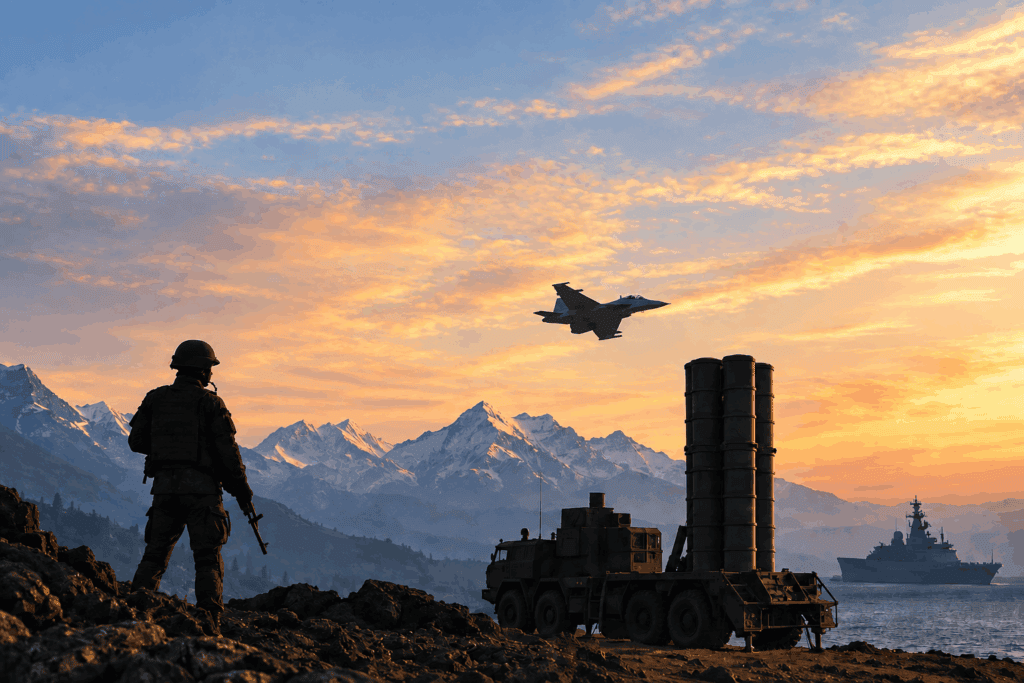
Naval Blockade
| Practitioner’s View | Scholar’s View |
| Sarabjeet Singh Parmar, Retired Indian Naval Officer | Prabhash Ranjan, Professor at the Jindal Global Law School |
| As per the San Remo Manual on International Law Applicable to Armed Conflicts at Sea (1994), a blockade is defined as “A belligerent operation to prevent vessels and aircraft of all nations from entering or exiting specified ports, airfields, or coastal areas belonging to, occupied by, or under the control of an enemy nation.” Blockades are guided by five principles: declaration, effectiveness, non-discrimination, humanitarian exception, and proportionality. | A naval blockade is a legitimate act of warfare under international law, aimed at preventing ships from entering or leaving enemy ports or coastlines. For it to be legal, a blockade must comply with humanitarian laws, be explicitly declared, impartially enforced and be effective, that is, backed by adequate military force. |