Tarique Rahman (Bangladesh)
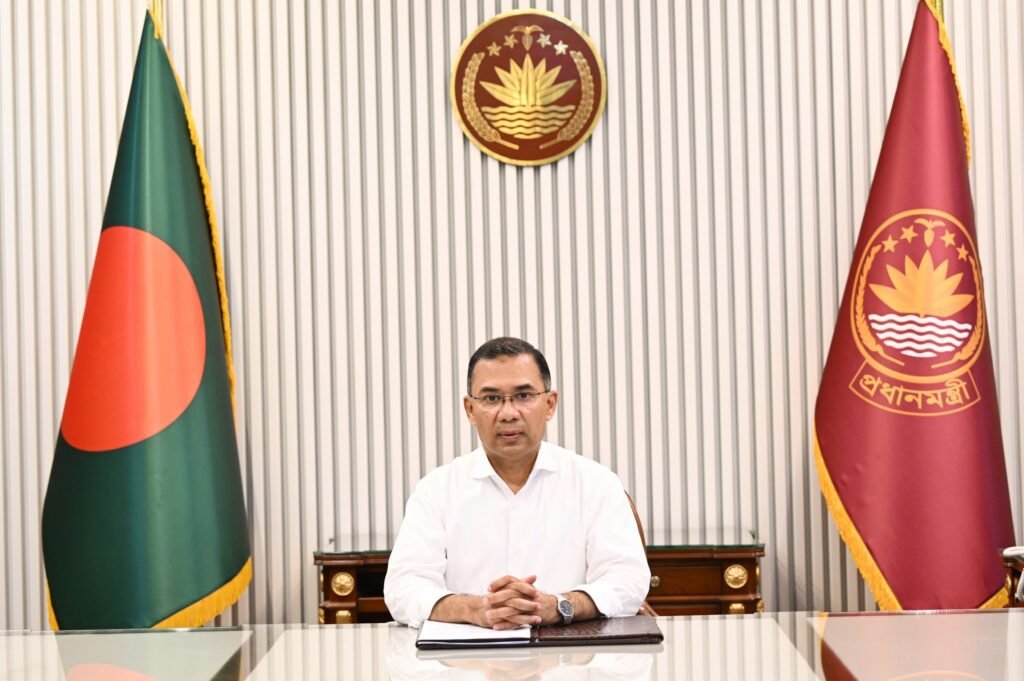
Tarique Rahman is the son of Ziaur Rahman (President of Bangladesh, 1977–1981) and Khaleda Zia (Prime Minister of Bangladesh, 1991–1996; 2001–2006). Born on 20 November 1965 in Dhaka, he received his early education at BAF Shaheen College. He later completed his Secondary School Certificate (SSC) from Dhaka Residential Model College and Higher Secondary Certificate (HSC) from Adamjee Cantonment College. He enrolled at the University of Dhaka, initially studying law before shifting to International Relations, but left without completing a degree to pursue a career in business. He joined the Bangladesh Nationalist Party (BNP) in 1988 and rose to Senior Joint Secretary General by 2002.
Rahman’s political career was interrupted by the upheaval of 2007, when a military-backed caretaker government assumed power amid a deep political crisis. Arrested on corruption and other charges, he left Bangladesh in 2008 for medical treatment and subsequently remained in exile in the United Kingdom. During the tenure of Sheikh Hasina, the persistence of legal cases and political constraints effectively prevented his return for over a decade.
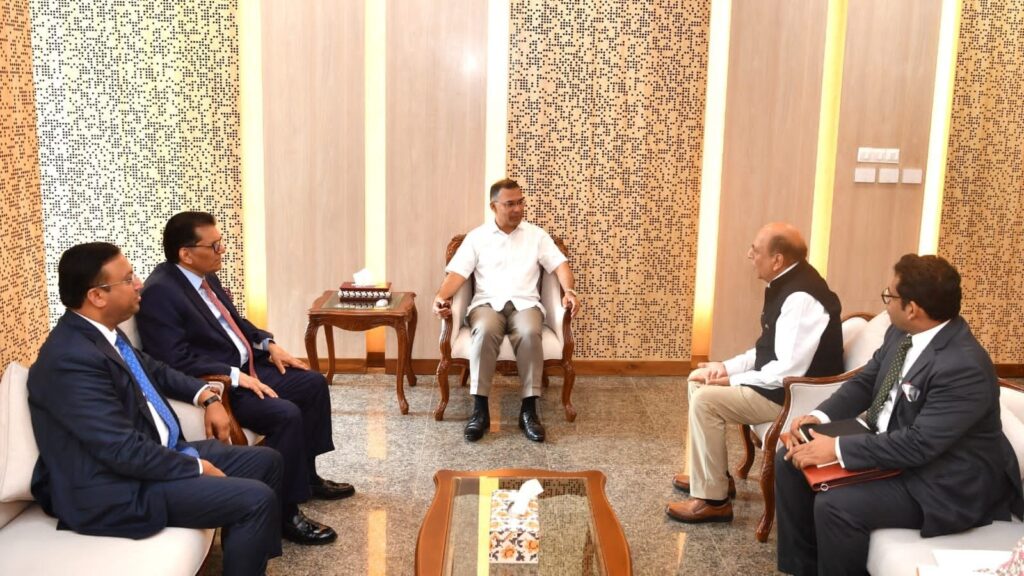
He returned ahead of the 2026 elections and led the BNP to a decisive victory, taking office as Prime Minister on 17 February 2026. His early months in power have been marked by a pragmatic recalibration of Bangladesh’s external relations, particularly with India. Signalling an effort to reset ties, Rahman invited Prime Minister Narendra Modi to his swearing-in, with India represented by Om Birla. Both sides emphasised continuity—highlighting shared historical and cultural links—while acknowledging the need to stabilise relations after years of political friction.
Rahman has framed engagement with India in explicitly interest-driven terms. Early discussions in April 2026 focused on expanding bilateral trade, expediting infrastructure and connectivity projects, and maintaining border stability. At the same time, his government has signalled a willingness to revisit unresolved issues from previous administrations, including politically sensitive matters, while emphasising that such questions will be handled through established legal processes. In his first post-election interview (14 February 2026), he underscored this approach, stating that “the interests of Bangladesh and its people will determine our foreign policy.”
In practice, Rahman has moved to restore structured engagement with New Delhi while broadening Bangladesh’s external partnerships. Dhaka has invited Indian participation in sectors such as digital infrastructure and maritime development under a “Bangladesh First” framework, even as it continues to engage China and Pakistan in parallel. Ongoing cooperation—particularly in water-sharing, connectivity, and infrastructure—is being reviewed to ensure more equitable outcomes for Bangladesh.
Analysts, therefore, characterise Rahman’s India policy as cooperative but distinctly transactional. As noted by Michael Kugelman, advocating too close an embrace of India can carry domestic political costs, requiring careful calibration. Rahman’s approach reflects this balance: engaging India where interests converge, while preserving strategic autonomy in an increasingly competitive regional environment.
Balendra Shah (Nepal)
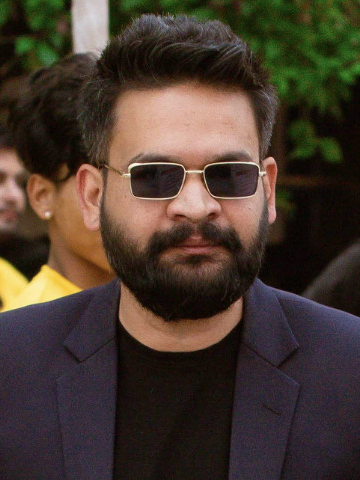
Balendra Shah, popularly known as Balen, rose from activist and city mayor to become Nepal’s youngest Prime Minister, taking office on 27 March 2026. Born on 27 April 1990 in Kathmandu, he is trained as a civil engineer and first gained prominence as a rapper-turned-activist before entering politics. Elected Mayor of Kathmandu in 2022, he built a strong support base among younger voters through anti-corruption campaigns and urban governance reforms. In late 2025, he joined the Rastriya Swatantra Party and led it to a landslide victory in the March 2026 elections, capitalising on widespread frustration with traditional parties.
Shah’s political appeal is closely tied to his personality and unconventional trajectory. Unlike traditional leaders, he emerged as an anti-establishment figure, gaining prominence through socially conscious rap and outspoken criticism of corruption and governance failures. His direct, often blunt communication style, shaped by activism and digital engagement, has resonated strongly with younger voters, particularly those mobilised during Nepal’s recent wave of Gen Z protests.
At the same time, Shah combines this outsider image with a technocratic approach to governance. His tenure as mayor of Kathmandu reflected a focus on practical problem-solving, ranging from urban management to administrative reform, while avoiding overtly divisive rhetoric. This blend of activist energy and managerial pragmatism has allowed him to build broad-based support, positioning him as both a disruptor of Nepal’s political establishment and a figure capable of translating public discontent into institutional change.
Shah’s approach to India has been cautious, pragmatic, and broadly non-aligned. In his early public messaging, he has emphasised the importance of maintaining stable relations with neighbouring countries while prioritising Nepal’s economic and governance needs. India remains central to Nepal’s external engagement—particularly in trade, labour mobility, and infrastructure—but Shah has avoided signalling any preferential alignment, instead framing foreign policy in balanced and interest-driven terms.
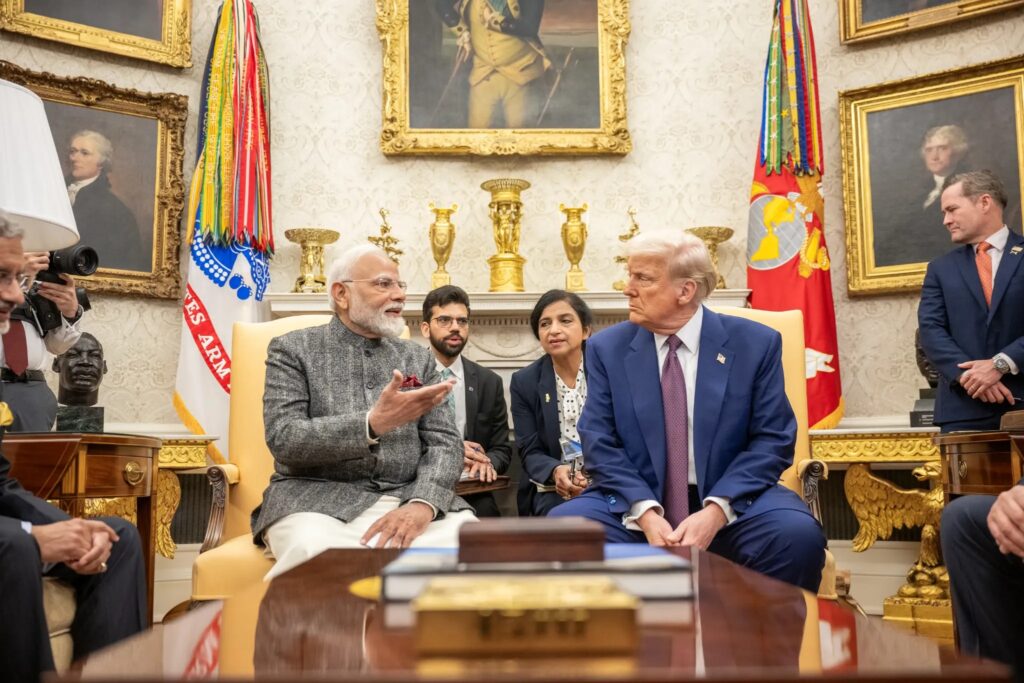
This posture reflects an attempt to move beyond Nepal’s traditional oscillation between India and China. While his earlier public persona occasionally included critical rhetoric on issues linked to India, his transition to national leadership has been marked by a more measured tone, prioritising continuity and institutional engagement. Early diplomatic signals, including exchanges with Prime Minister Narendra Modi, suggest a willingness to stabilise ties without compromising policy autonomy.
In practice, the Shah government has indicated continuity in key areas of India–Nepal cooperation, including connectivity, trade, and hydropower development. Taking office amid ongoing cross-border infrastructure and transit projects, his administration has so far signalled no major policy disruption. Notably, in his first major diplomatic outreach, Shah accepted an invitation from Prime Minister Narendra Modi to visit India, signalling an early willingness to engage with New Delhi at the highest level.
Analysts therefore characterise Shah’s India policy as pragmatic and forward-looking, but still evolving. Unlike many of his predecessors, he appears less constrained by entrenched ideological positions, instead focusing on outcomes—connectivity, investment, and service delivery. Whether this approach translates into a durable strategic framework remains uncertain, but his rise signals a shift in Nepal’s political landscape toward a more technocratic and less ideologically driven leadership.
Min Aung Hlaing (Myanmar)
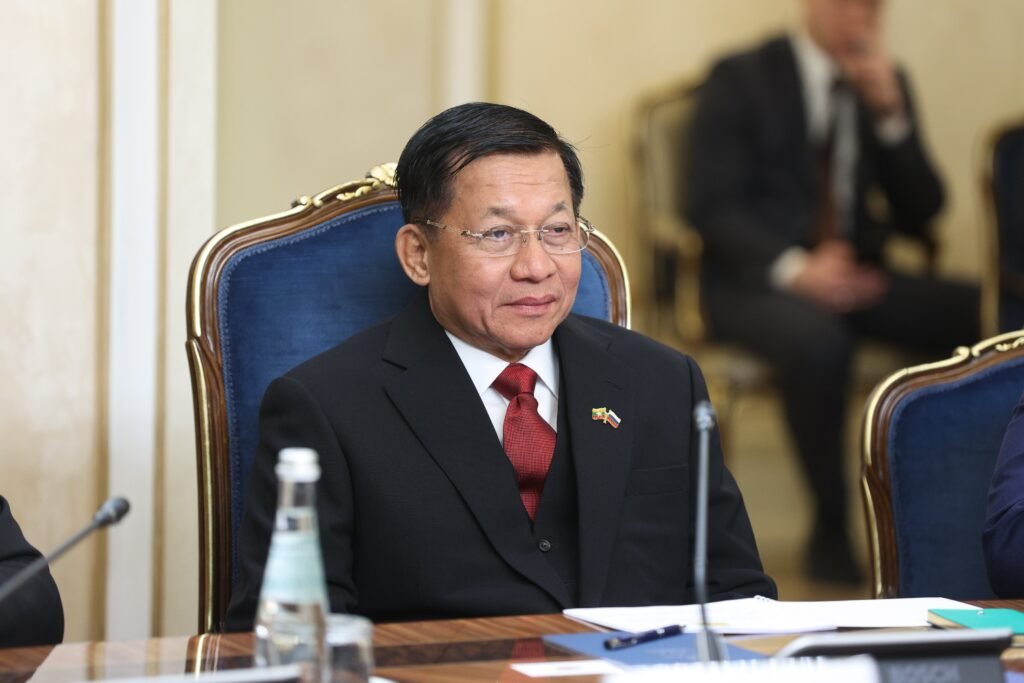
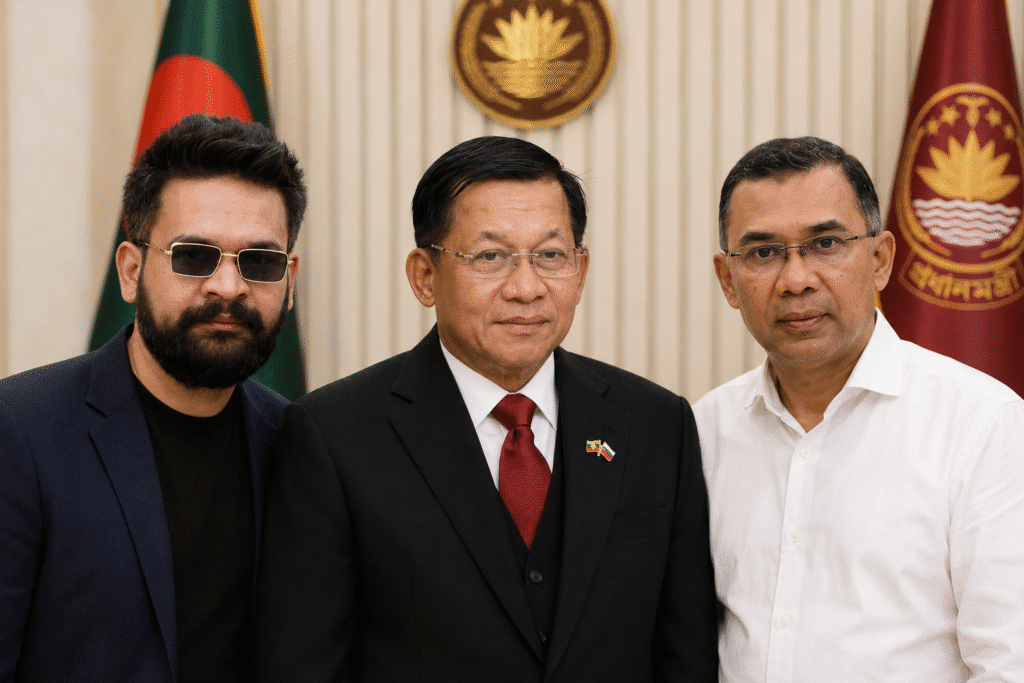
Min Aung Hlaing (born 3 July 1956 in Minbu) has been Myanmar’s de facto ruler since the military coup of February 2021. A career officer in the Tatmadaw—the country’s powerful armed forces that have long dominated politics—and a graduate of the University of Yangon, he became Commander-in-Chief in 2011. On 1 February 2021, he overthrew the elected government of Aung San Suu Kyi, triggering nationwide resistance and international condemnation. In 2026, he consolidated power further by assuming the presidency within a military-backed political structure, presenting it as part of a transition toward a “disciplined democracy.”
Min Aung Hlaing’s leadership style is shaped by a rigid military worldview. Often described as hierarchical, conservative, and deeply suspicious of civilian political forces, he has sought to reassert the Tatmadaw’s central role in Myanmar’s political order. His public messaging emphasises stability, sovereignty, and national unity, even as the country remains mired in civil conflict. Critics view him as authoritarian and uncompromising, while supporters within the military establishment see him as a guardian of state cohesion.
Internationally, his regime remains isolated from Western powers due to sanctions, while strengthening ties with China and Russia for diplomatic and military support. Within the region, however, he has sought to avoid complete isolation by maintaining engagement with neighbouring countries and regional groupings such as ASEAN.
His approach to India has been pragmatic and security-driven. Without pursuing a formal partnership, he has maintained working relations with New Delhi, which remains cautious but engaged due to shared border concerns and strategic interests. Key issues include insurgent activity along India’s northeastern frontier, cross-border trafficking, and refugee flows. Connectivity projects—such as the Kaladan Multi-Modal Transit Transport Project and the India–Myanmar–Thailand Trilateral Highway—remain central to bilateral engagement under India’s Act East policy.
Despite political sensitivities, limited security cooperation has continued. The Myanmar military has coordinated at times with Indian authorities against insurgent groups operating along the border, while also engaging in humanitarian and trafficking concerns. Min Aung Hlaing has avoided direct criticism of India, instead emphasising non-interference and neighbourly ties.
For India, engagement with his regime reflects strategic necessity rather than endorsement. Observers note that New Delhi has prioritised regional stability, border management, and connectivity over normative concerns, maintaining a calibrated relationship with a regime it cannot ignore but does not fully embrace.