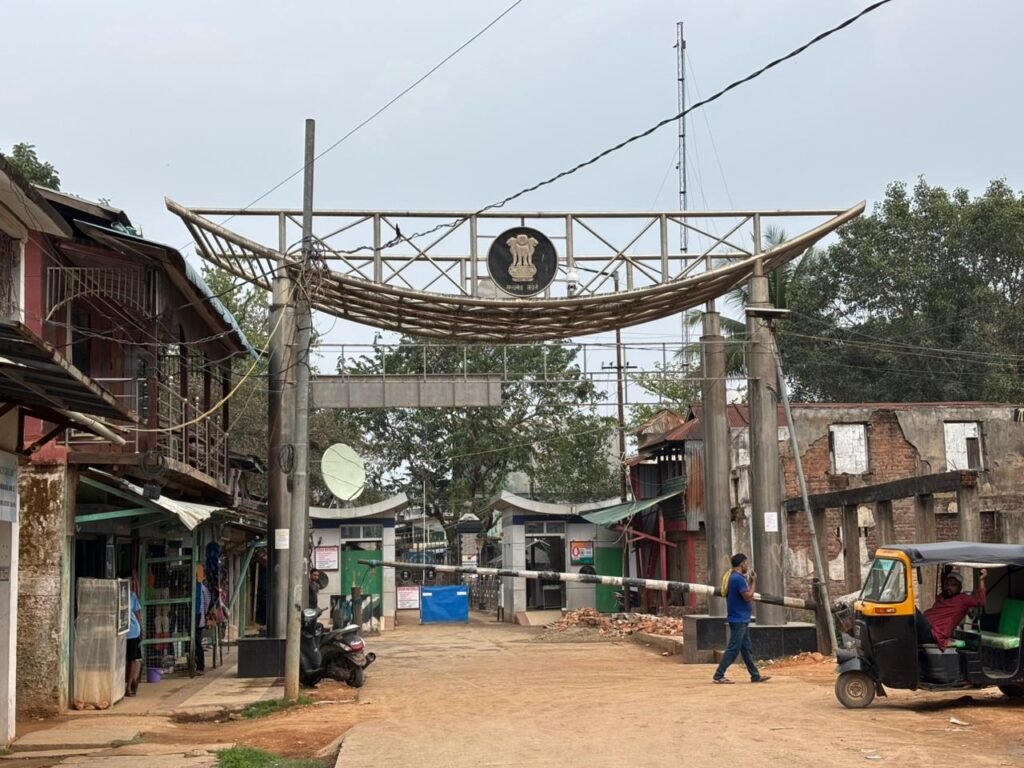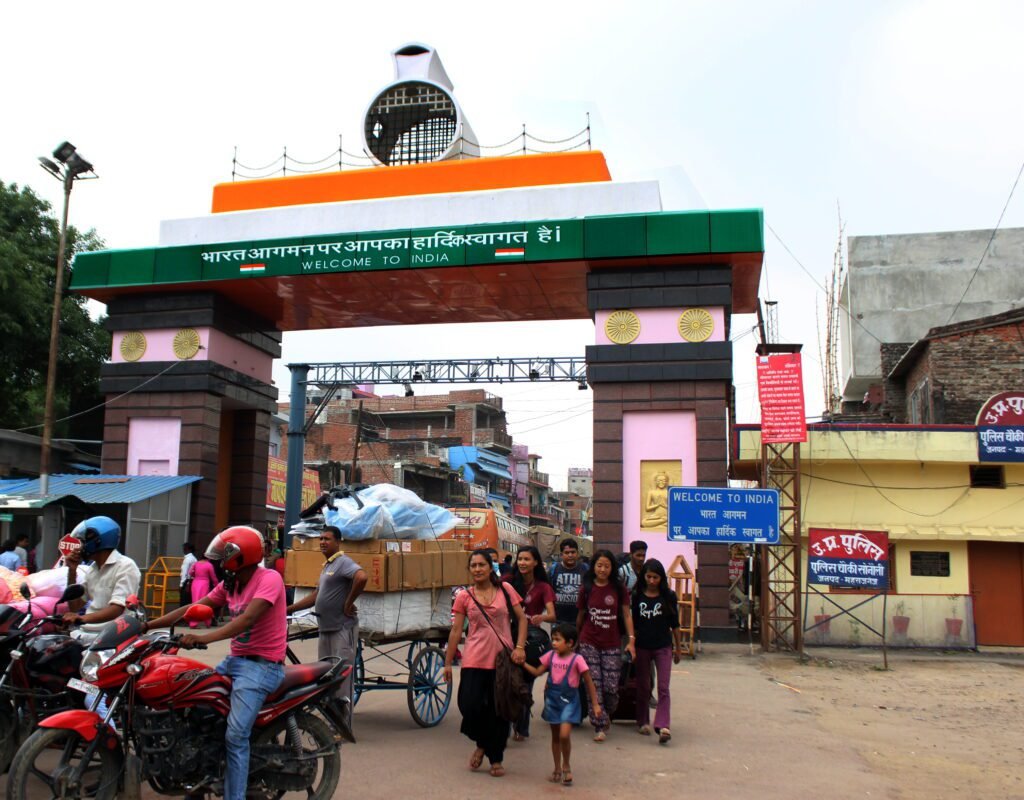
For decades, the 1,751-km open border between India and Nepal has been one of the world’s most unique international boundaries, allowing citizens from both nations to cross freely without visas or passports. This porous border, governed by the 1950 Peace and Friendship Treaty, has facilitated deep cultural, familial, and economic ties, with residents on both sides routinely crossing for work, education, shopping, and religious ceremonies. However, this long-standing arrangement faced a significant disruption in April 2026 when Nepal’s government under Prime Minister Balendra ‘Balen’ Shah began strictly enforcing existing customs regulations that had remained loosely applied for generations.
What Happened?
In mid-April 2026, following the Nepali New Year, Nepal’s authorities initiated a rigorous enforcement of a pre-existing customs provision requiring duty on goods valued over 100 Nepali rupees (approximately ₹63 or less than $1 USD) brought from India. Depending on the item category, customs duties range up to 80% on the goods.
The enforcement has been remarkably strict. Reports from border checkpoints describe customs officials inspecting even small quantities of household items, with videos circulating on social media showing packets of potato chips being seized. Protesters described the measure as an ‘unannounced blockade,’ arguing it disrupted access to goods used in everyday life, religious practices, and agriculture.
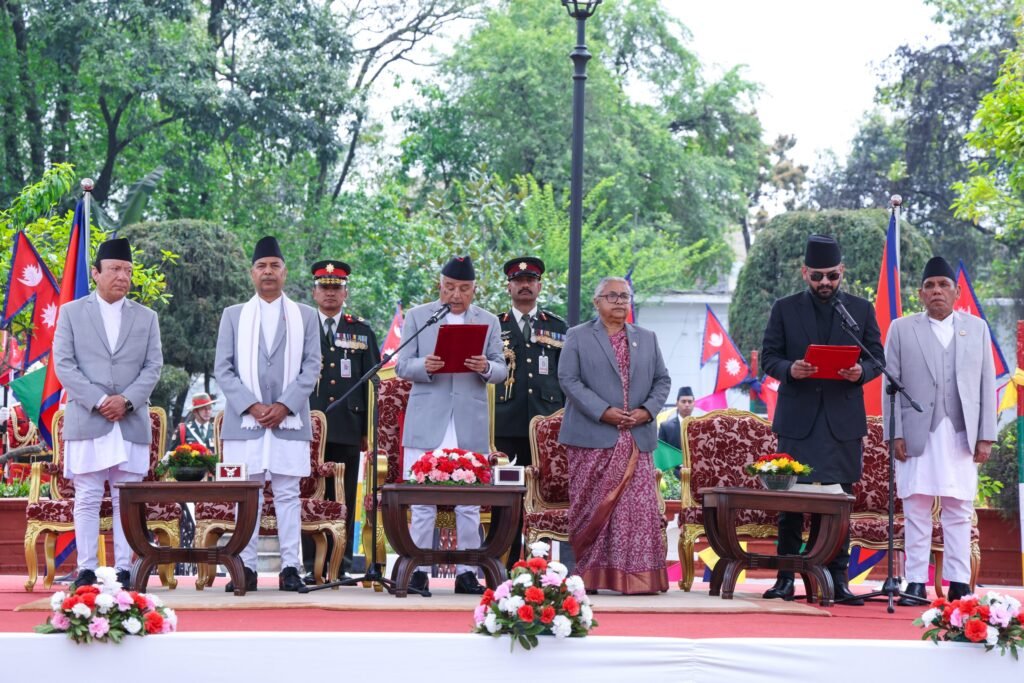
The measures sparked immediate protests in border towns like Birgunj, Bhairahawa, and Nepal’s capital Kathmandu. Demonstrators carried placards reading ‘Cancel customs duty’ and ‘Don’t kill the poor people.’ Separately, Nepal’s Home Minister Sudan Gurung resigned on 22 April amid an unrelated controversy over his share investments and alleged business links to a businessman under investigation for money laundering.
Why Is Nepal Enforcing the Rule More Strictly?
While the 100 NPR threshold is not new, its strict enforcement represents a deliberate policy shift by the newly appointed Shah government. Officials and trade observers cite three primary justifications:
Curbing Revenue Leakage: Nepal’s government claims substantial tax revenue has been lost as cross-border shoppers evaded customs duties by bringing commercial quantities of goods under the guise of personal household items. Harihar Paudel, chief of the Bhairahawa Customs Office, noted that ‘smuggling through multiple daily trips carrying goods across the customs point has declined’ following enforcement.
Promoting Domestic Trade: The government argues that unchecked imports from India have disadvantaged Nepali shopkeepers and manufacturers, with border residents preferring Indian markets for everything from groceries to agricultural inputs. Officials believe stricter enforcement will redirect demand toward Nepal’s domestic economy.
Formalising Informal Trade: Nepal aims to transform the longstanding informal cross-border retail economy into registered, taxable commerce. Prachin Kumar Thaiba, president of the Federation of Customs Agent Nepal, argues that ‘stricter border enforcement benefits both Nepal and India by discouraging illegal trade.’
How Is It Affecting People in India and Nepal?
Impact on Nepali Citizens: For many Nepalis living in border regions, the enforcement has disrupted daily life. Residents report higher costs and disruptions in access to essential household goods in border towns. Small-scale shoppers who have long relied on Indian groceries, clothing, medicines, and agricultural inputs now face added duties and reduced access to affordable supplies.
Impact on Indian Border Markets: Indian border towns like Sunauli (Uttar Pradesh) and Banbasa (Uttarakhand), which built thriving economies serving Nepali shoppers, have experienced dramatic declines. Shopkeepers in Sunauli reported that ‘Nepali customer footfall has dropped by more than 75 percent compared to earlier periods.’ Traders in Uttarakhand’s Champawat district noted that over 50 Nepali citizens previously carried goods worth approximately ₹60 lakh daily across the border by cycle – a flow that has now sharply reduced.
Economic Implications
From an economic standpoint, this enforcement represents a classic trade-off between formal sector efficiency and informal sector accessibility. Nepal faces a genuine challenge of revenue leakage and domestic market distortion, with cheaper Indian goods potentially undermining local producers. The Nepalese government’s move could theoretically strengthen Nepal’s tax base and encourage import substitution industries.
However, the economic costs are substantial and front-loaded. The sudden, strict enforcement without adequate transition period has disrupted established supply chains and informal trading networks that efficiently served border populations for generations. The International Monetary Fund and World Bank have long documented how gradual, predictable customs reforms tend to produce better outcomes than abrupt enforcement actions.
Furthermore, the undeclared blockade characterisation from protesters carries historical weight. Nepal’s economy remains closely integrated with India’s, and disruptions to border trade risk diplomatic tensions that could affect larger bilateral economic relationships, including transit rights, energy cooperation, and investment flows.
Most concerning economically is the regressive nature of the impact. The 100 NPR threshold falls hardest on poor and middle-class border residents who cross regularly for small purchases, while larger-scale smugglers may adapt through informal border crossings. As one protester articulated, this policy effectively criminalises the survival strategies of the region’s most economically vulnerable populations.
This article has been researched, edited, and fact-checked by India’s World staff and prepared with AI assistance.