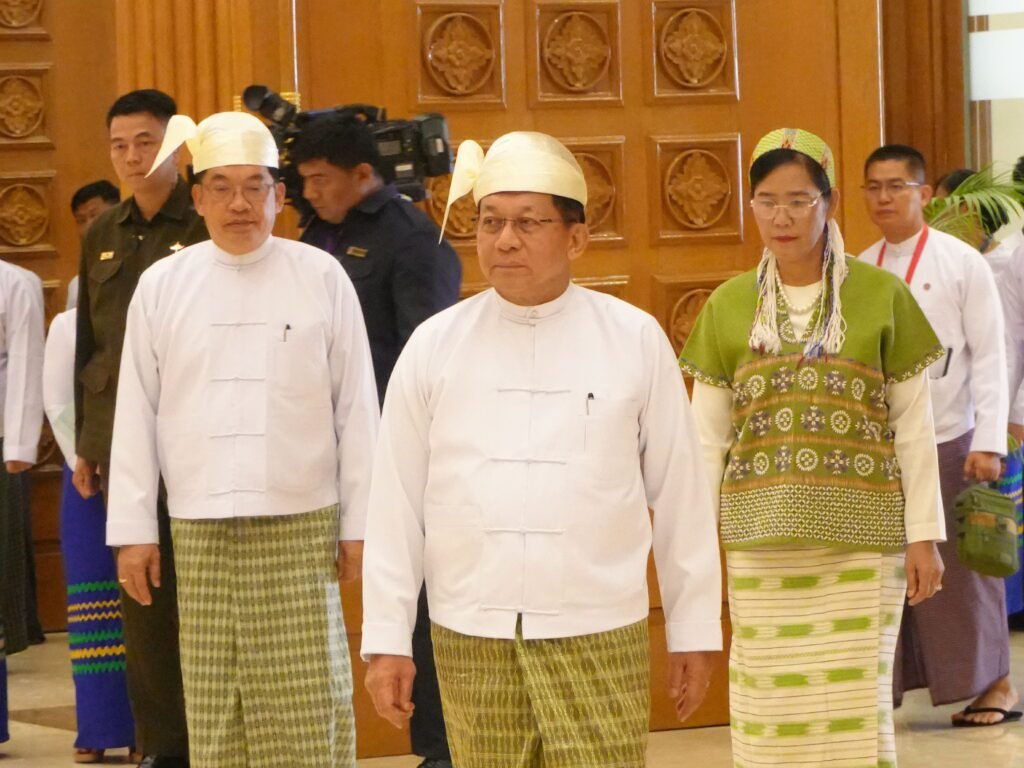
On 10 April 2026, Myanmar swore in a new president in a heavily securitised ceremony in Naypyidaw. Far from signalling a genuine political transition, the event underscored the military’s continued grip on power—now reframed through a nominally civilian structure.
The capital was placed under tight control, with checkpoints, patrols, and restricted movement. This atmosphere reflected both the regime’s insecurity and its determination to project order. While officially presented as a step toward normal governance, the transition appeared primarily designed to reshape international perceptions rather than alter domestic realities.
A Familiar Face in Civilian Clothing
The presidency of Min Aung Hlaing represents continuity rather than change. As the architect of the 2021 Myanmar coup d’état, he has dominated Myanmar’s political landscape for years. His formal exit from the military to assume the presidency does little to obscure the underlying power structure.
In his inaugural remarks, he claimed Myanmar was “returning to the path of democracy.” Yet the composition of his government—dominated by military-linked figures, many under international sanctions—suggests otherwise. The shift appears largely cosmetic: a transition in form without a corresponding transformation in substance.
From Coup to Protracted Conflict
The roots of the current crisis lie in February 2021, when the military ousted the elected government led by Aung San Suu Kyi, citing unproven allegations of electoral fraud. The dismantling of democratic institutions and the detention of civilian leaders triggered nationwide protests.
What began as civil disobedience soon escalated into armed resistance. Over time, Myanmar descended into a fragmented and violent conflict involving urban resistance networks, People’s Defence Forces, and longstanding ethnic armed organisations. Large parts of the country remain unstable, with governance deeply contested.
The “100-Day Program”: Reform or Rebranding
In an effort to signal momentum, Min Aung Hlaing announced a “100-day program” focused on democracy, economic recovery, and peacebuilding. The plan includes proposals to expand agricultural credit, modernise railway infrastructure, extend 4G connectivity, and establish pilot universities.
He also renewed calls for dialogue with armed groups, including both ethnic organisations and resistance forces. On paper, these measures suggest a willingness to stabilise the country.
However, scepticism remains widespread. Similar initiatives in the past have yielded little tangible change, and without structural political reform, such programmes risk being seen as instruments of consolidation rather than transformation.
Opposition Rejection and Continuing War
The response from anti-military forces has been unequivocal. The National Unity Government and affiliated groups have dismissed the peace overtures as insincere, viewing them as tactical manoeuvres aimed at buying time and legitimising military dominance.
Armed resistance groups, including People’s Defence Forces and ethnic militias, continue to demand the complete withdrawal of the military from politics—an outcome the current leadership shows no indication of accepting. As a result, the conflict is likely to persist, with no immediate pathway to a negotiated settlement.
India’s Strategic Balancing
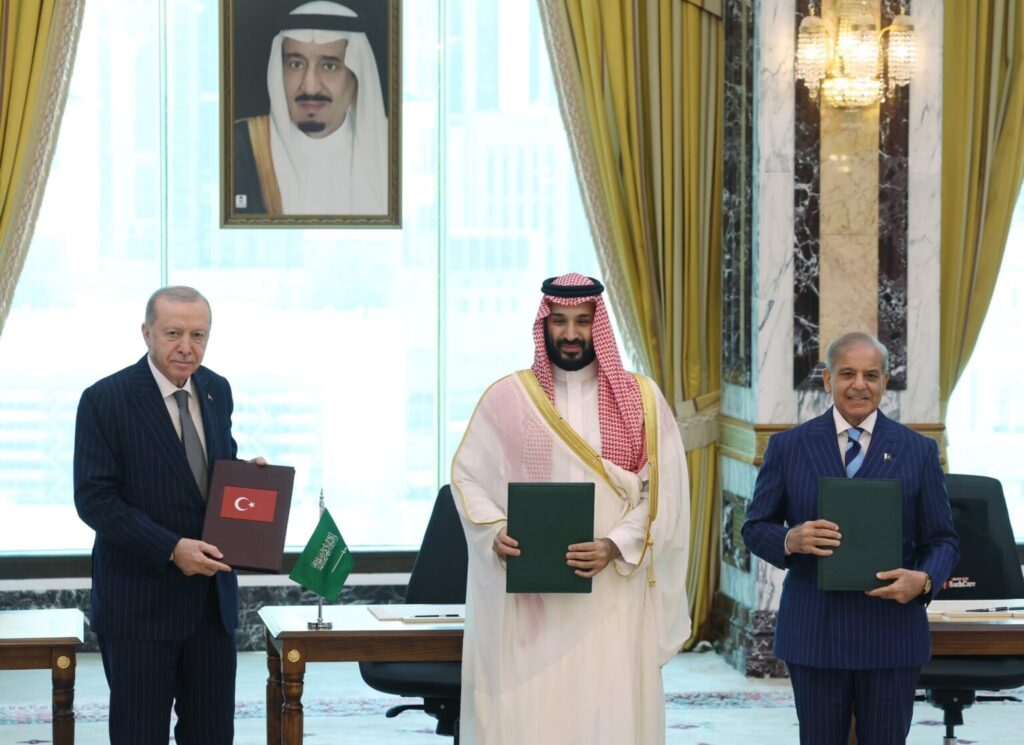
The new government has tried to improve its regional relations by inviting neighbouring countries such as India, China, and Thailand to the swearing-in ceremony. This move is part of a broader effort to reduce diplomatic isolation and gain acceptance in the region.
For India, Myanmar is an important neighbour with both strategic and economic value. It acts as a land bridge between India and Southeast Asia under India’s “Act East Policy.” Major connectivity projects, such as the Kaladan Multi-Modal Transit Transport Project and the India-Myanmar-Thailand Trilateral Highway, depend on stability in Myanmar.
At the same time, the ongoing conflict in Myanmar has direct effects on India, especially in the northeastern states. These include refugee movements, border security concerns, and disruptions to trade routes. India has therefore taken a balanced approach—engaging with Myanmar’s government while also expressing concern about the political situation. The presence of Indian representatives at the ceremony reflects this practical strategy.
Continuity Behind the Façade
Despite the formal transition to a civilian presidency, Myanmar’s political fundamentals remain unchanged. The military continues to exercise decisive control, opposition forces remain entrenched, and the conflict shows no signs of abating.
For external actors, particularly India, the challenge lies in navigating this reality without compromising strategic interests or normative commitments. For the people of Myanmar, however, the core issue endures: the absence of a stable, inclusive, and genuinely democratic political order. Note: This article has been researched, edited, and fact-checked by India’s World staff and prepared with AI assistance.