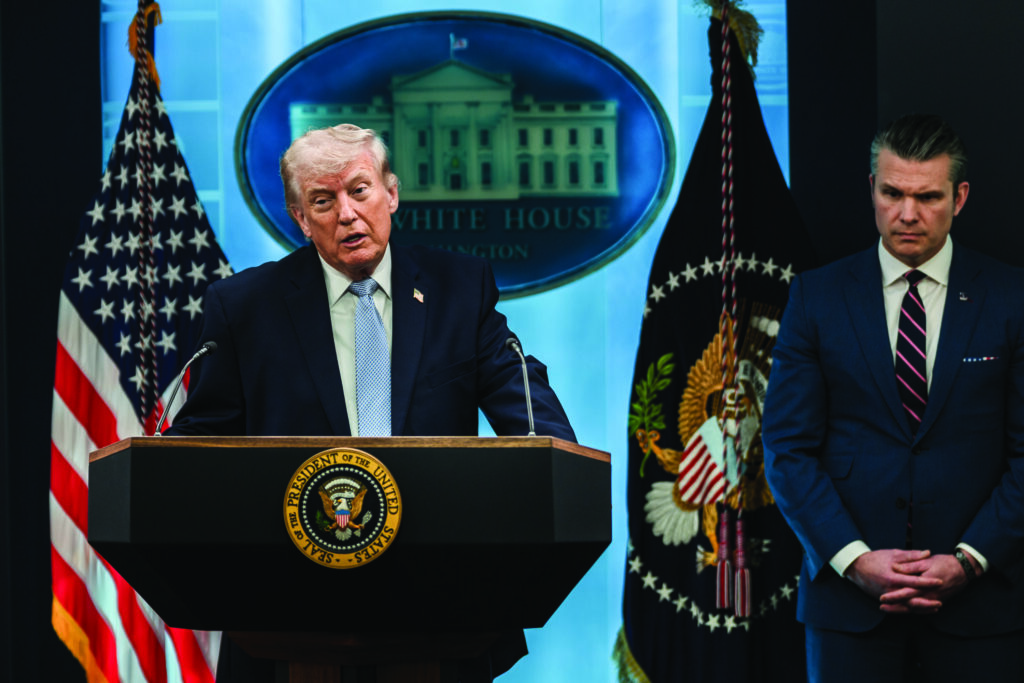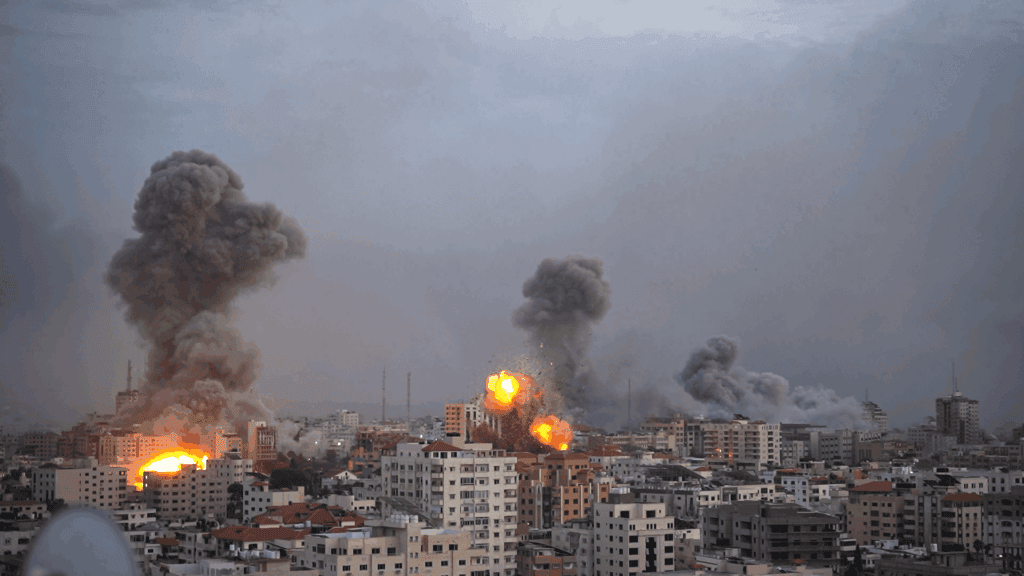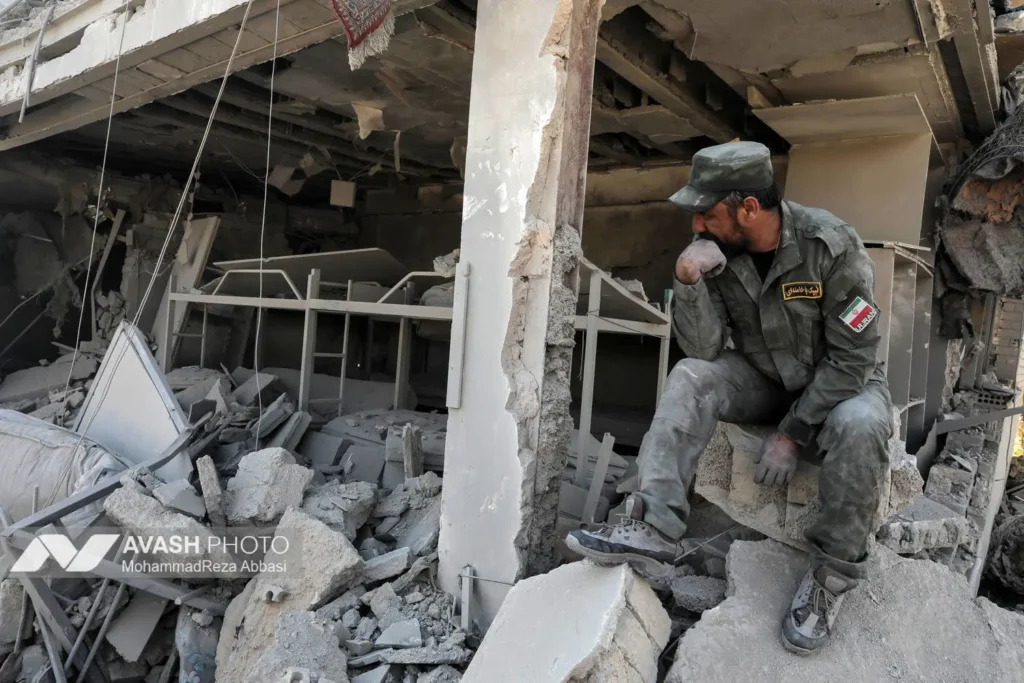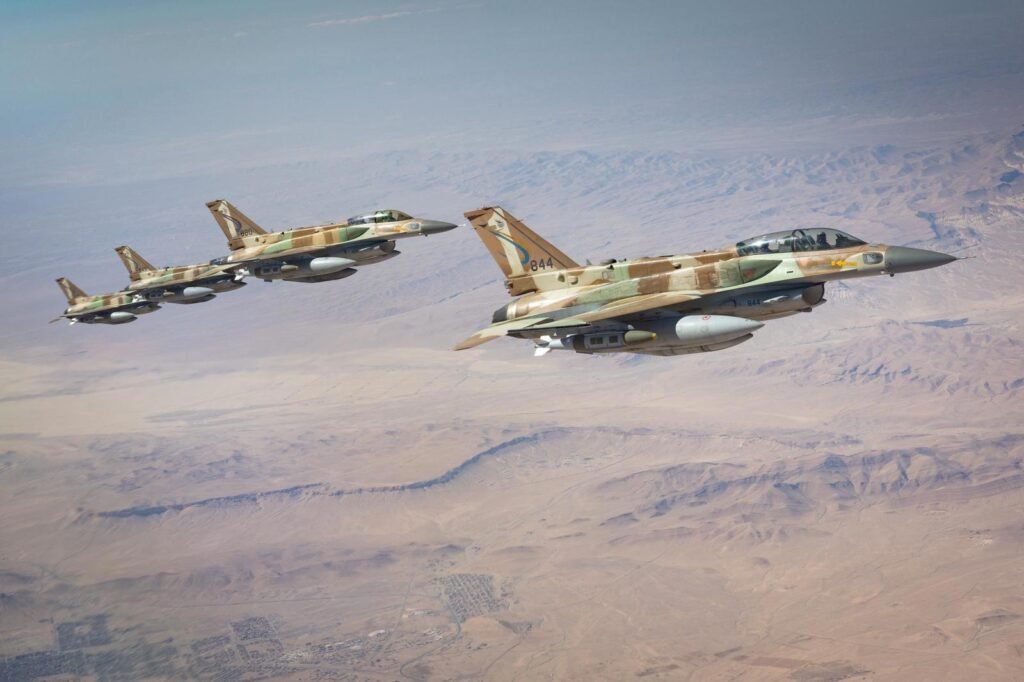
Overconfident in their ability to achieve the desired military outcome, Israel and the United States assumed that they could bring about regime change in Iran by exploiting instability arising from recent social unrest. However, they miscalculated not only Iran’s internal stability and defensive capacity, but also its ability to escalate the conflict across the region. As these miscalculations begin to impose costs on both the attackers and the global economy, the most critical question is how long Iran can sustain its defence using drones and missiles alone.
Behold how they toss their torches on high,
How they point to the Persian abodes
And glittering temples of their hostile God

—John Dryden’s 1697 ode,
Alexander's Feast; or The Power of Music
War has once again returned to the Middle East, the troubled region which lies at the crossroads of continents and has long been a battleground for empires, religions, and ideologies. As empires vied for control of land, they left a legacy of turmoil that has shaped boundaries, politics, culture, and the lives of millions. While religion has always played a role in the region, it was the 1916 Sykes-Picot Agreement, which charted arbitrary borders with utter disregard for ethnic, cultural, and political realities, that sowed the seeds for future geopolitical rivalries and territorial disputes. As Robert Kaplan wrote in The Revenge of Geography, “The Middle East is characterised by a disorderly and bewildering array of kingdoms, sultanates, theocracies, democracies, and military-style autocracies whose common borders look formed as if by an unsteady knife.”