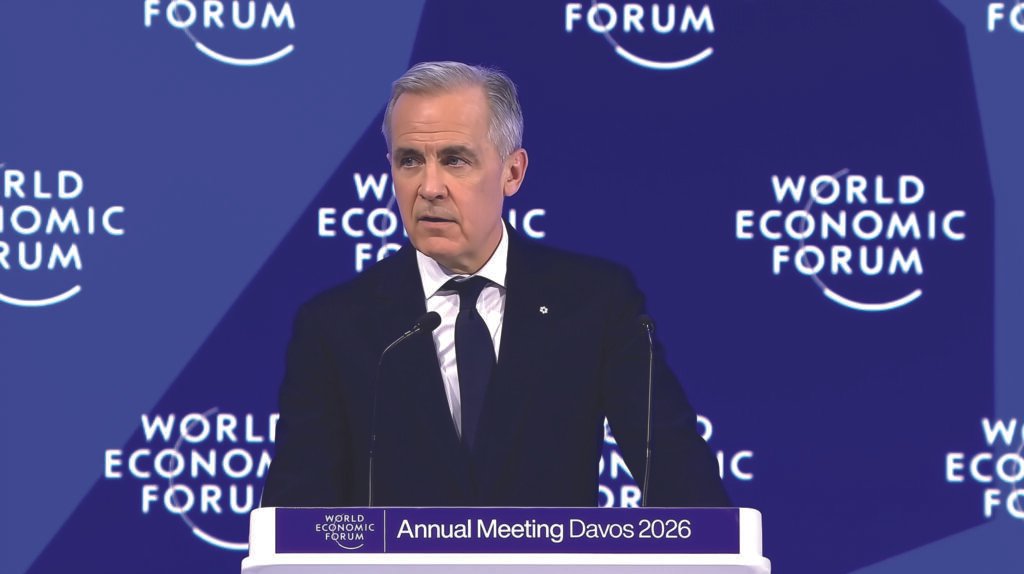
How do we sustain international order when the very powers that built it begin to unravel it? In Davos, Mark Carney advances a middle-power theory of global order, arguing that legitimacy and coalition-building must replace great-power stewardship. The proposal is intellectually ambitious and morally charged—but can middle powers shoulder the burdens of order in a system still shaped by great-power rivalry?
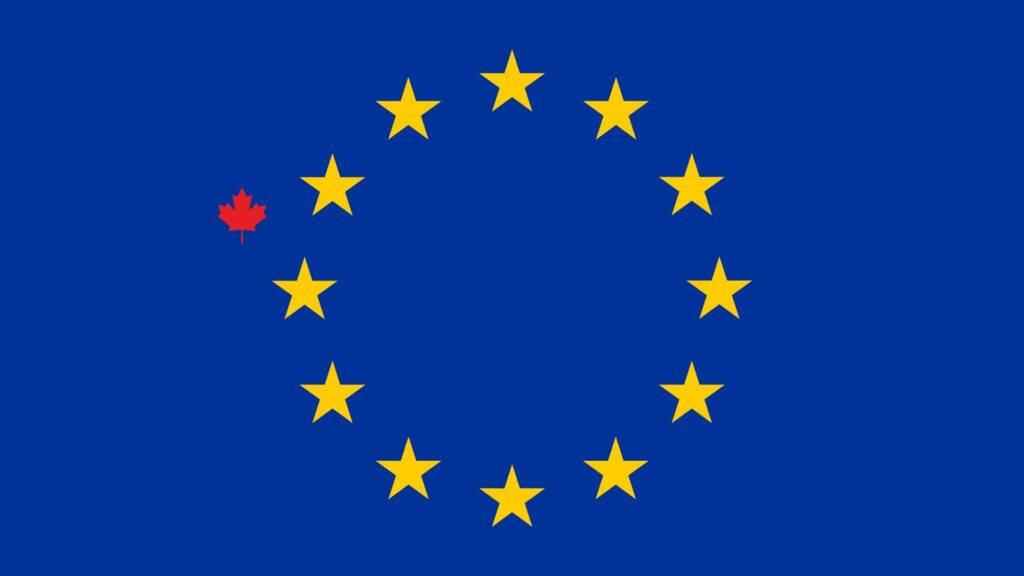
Mark Carney’s speech at the World Economic Forum in Davos articulated a distinctly Canadian reading of the crisis of contemporary international order. But its critique of the great powers’ ways of running the world has drawn wide attention, including praise in Western countries for standing up to American bullying and jibes from non-Western quarters for treating American coercion as a terrible new thing, whereas the non-West had been experiencing it for decades.
While the speech was a political act, it contains ideas and references that belong to the academic study of international relations. It refers to the Melian Dialogue—about which I have previously written in this column—and betrays knowledge of the hegemonic stability theory (the idea that the international system is most stable when it has a single dominant great power, the hegemon). It offers a new concept in foreign policy—“variable geometry”—even as it weighs in on the meanings of strategic autonomy and sovereignty, besides discussing a realism based on values.