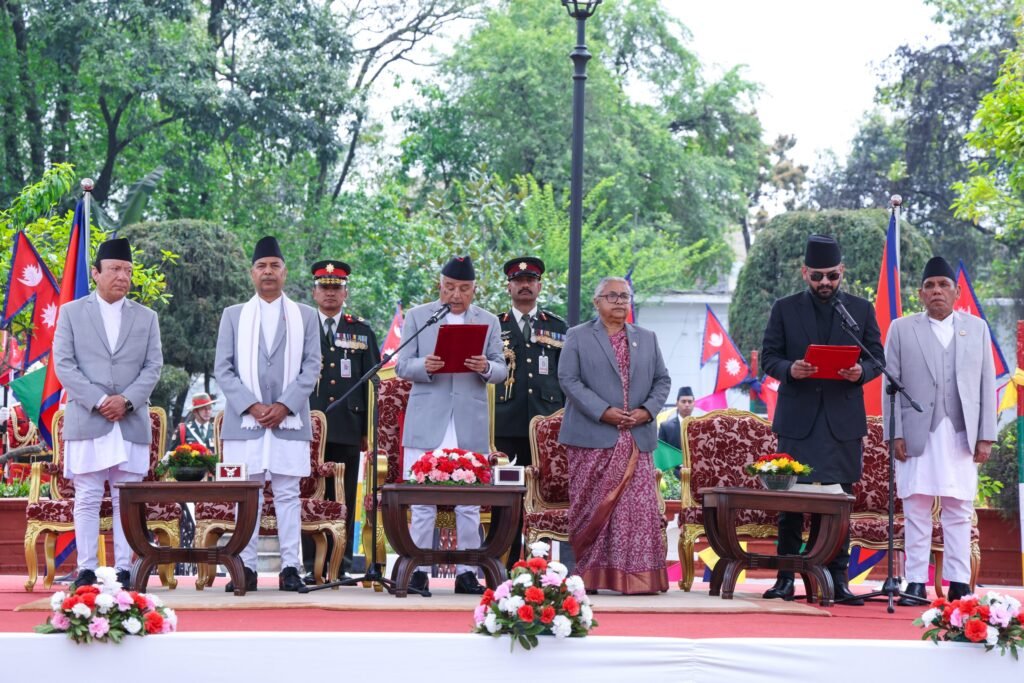
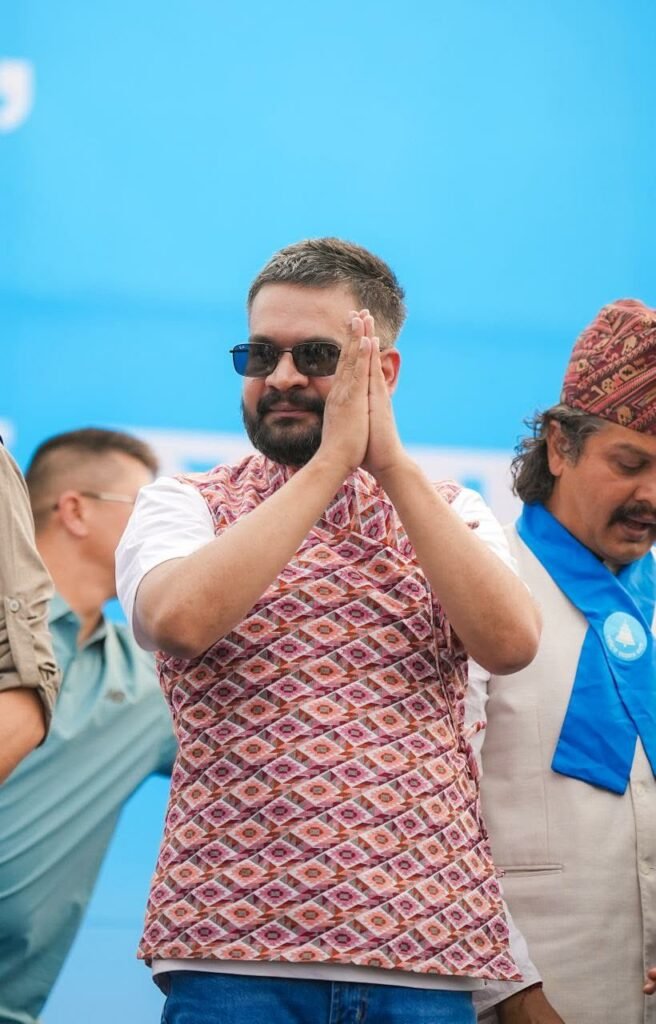
Nepal’s 2026 general elections have produced one of the most dramatic political upheavals in the country’s recent democratic history. The results, not unexpectedly, reflect a strong anti-incumbency sentiment against the established political parties and a powerful surge in support for emerging forces promising sweeping reforms. Rastriya Swatantra Party (RSP), as the name suggests, has effectively brought together independent activists and leaders from across the ideological spectrum and has emerged as the largest party. RSP candidates, whose mean age was below 45 years, defeated many seasoned politicians from dominant parties, capitalising on widespread voter frustration with traditional leadership.
For decades, Nepal’s political system has been dominated by a handful of established parties, particularly the Nepali Congress, the Communist Party of Nepal (Unified Marxist–Leninist), and the newly rebranded Nepali Communist Party (NCP). These parties were central to Nepal’s political transformation following the end of the decade-long Maoist insurgency and the abolition of the monarchy. Their unionised networks across universities, the bureaucracy, media, civil society, as well as among various professional and labour sectors ensured strong mobilisation capacity and electoral dominance.