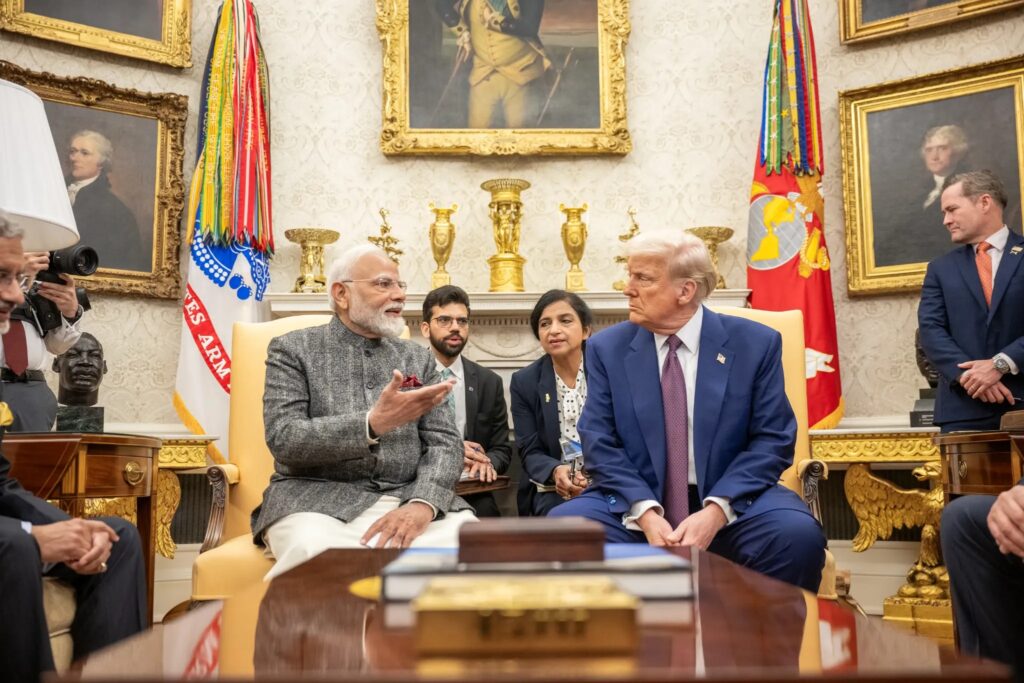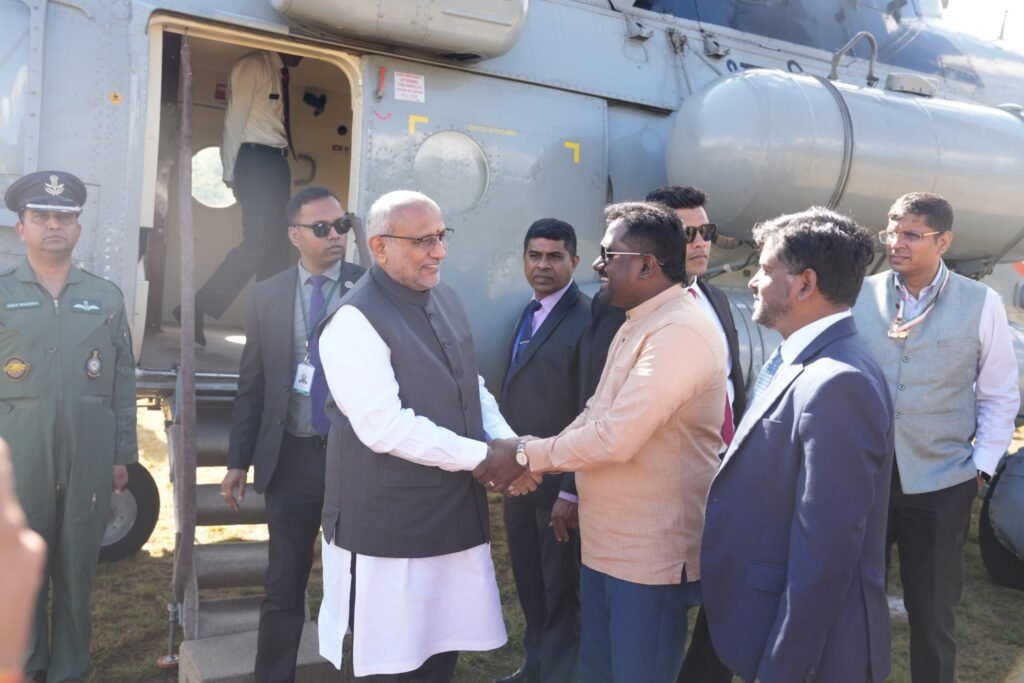
In April 2026, Indian Vice-President C.P. Radhakrishnan visited Colombo and met leaders of Sri Lanka’s Tamil political parties. They urged India to press Sri Lanka to honour the commitments of the 1987 Indo-Lanka Accord.
Signed by J. R. Jayewardene and Rajiv Gandhi, the accord promised greater self-rule for the Tamil minority. Nearly four decades later, Tamil leaders argue that these assurances remain only partially fulfilled, even under the 13th Amendment.
With a new government in Colombo and long-delayed provincial elections still pending, India’s role has once again come into focus.
What is the Indo-Lanka Accord?
The Indo-Lanka Accord, signed on July 29, 1987, aimed to end Sri Lanka’s ethnic conflict by addressing Tamil grievances within a united state.
It recognised Sri Lanka as a multi-ethnic and multilingual country and led to the 13th Amendment to the Constitution. This amendment made Tamil an official language and created elected provincial councils, particularly for the Northern and Eastern regions.
At its core, the accord sought meaningful devolution of power, granting Tamil-majority areas a degree of self-governance without altering Sri Lanka’s territorial integrity.
Today, Tamil parties, including the Tamil National Alliance, are asking India to ensure that this original vision is implemented in practice.
Background and Context
Sri Lanka’s ethnic conflict dates back decades, culminating in a brutal civil war (1983–2009) between Tamil separatists and the Sinhalese-majority state.
When the 1987 accord was signed, it briefly halted fighting by promising a merged North–East province (temporarily) and powersharing. The war later resumed, and only in 2009 did Sri Lanka defeat the Tamil Tigers.
Since then, successive governments have made only limited progress on the accord’s commitments. Tamil parties repeatedly complained that the central government failed to grant real autonomy. For example, in January 2022, MPs wrote jointly to India’s Prime Minister, noting that Sri Lanka had often promised to “fully implement” the 13th Amendment and “build upon it… to achieve meaningful devolution,” but those promises were broken. They asked India to remind Sri Lanka of its commitments.
The issue remained alive through political changes. In late 2024, Sri Lanka elected a new government under President Anura Kumara Dissanayake, backed by many Tamil voters. The new administration has promised to hold the long-delayed provincial council elections (in Tamil-majority areas) after an official boundary-redrawing process.
As of April 2026, those elections were not yet set, fueling Tamil frustration. Tamil leaders warned that meaningful self-rule would not happen on its own. “Governments will come and go,” remarked Tamil MP M.A. Sumanthiran, “but both countries need to honour the agreement they signed in 1987”. With concrete action still pending, Tamil parties turned again to India—the original guarantor of the 1987 deal—asking for sustained engagement.
What Tamil Parties Are Demanding
Sri Lankan Tamil leaders say implementing the Indo-Lanka Accord mainly means three things: full legal implementation of the 13th Amendment, holding provincial council elections in Tamil areas, and devolving real administrative power to those councils.
On paper, these steps should give Tamils local control over schools, lands, and other matters. In practice, Tamil parties report that none of this has truly happened. They point out that the 13th Amendment itself was meant to achieve “meaningful devolution” of power to Tamil regions, yet provincial councils have often lacked authority or were left unfilled by delayed elections.
Indian officials emphasise that giving Tamils a fair share of power would benefit all Sri Lankans. India’s 2025 UN statement said that such devolution “would contribute to nation-building and a durable peace” and that progress “will benefit all communities in Sri Lanka and reinforce the strong foundation of friendship and trust” between the two countries. In Colombo in April 2026, Vice-President Radhakrishnan told Tamil leaders that India “will always stand in support of the progress of the Tamil community and in ensuring a dignified way of life for them”.
Why the Accord Still Matters?
The accord’s issues touch on politics, society, and regional stability. For Sri Lankan Tamils, winning meaningful autonomy is seen as essential to living with dignity and security. Their parties argue that sharing power will heal old wounds. Indian officials agree: as India noted, implementing Tamil devolution “is not only in India’s interest—it is fundamentally in Sri Lanka’s own best interest.”
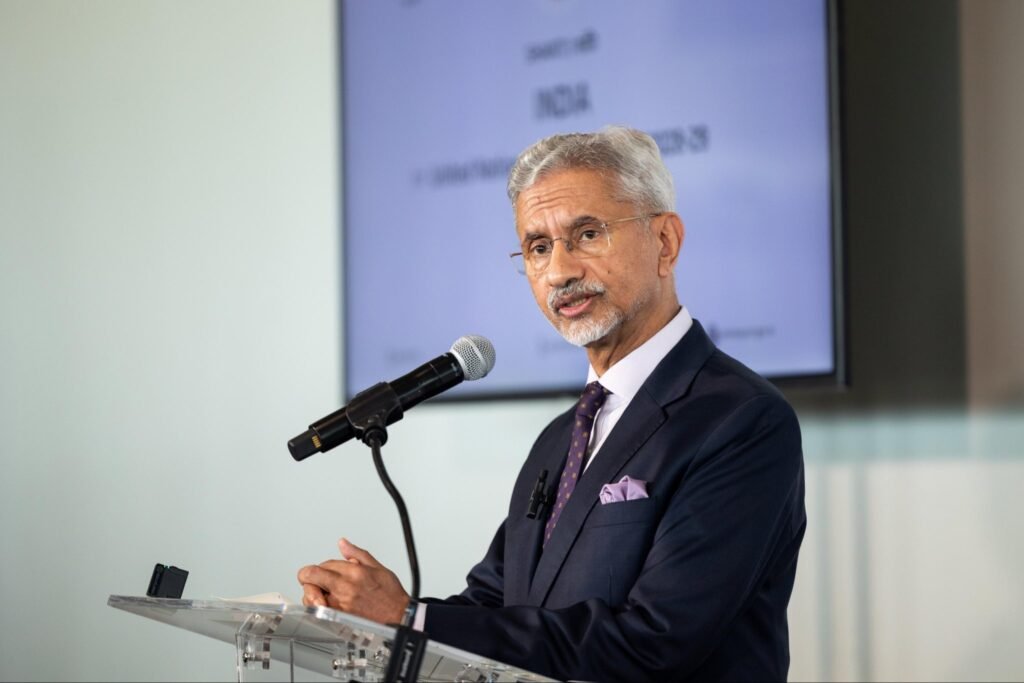
Foreign Minister Jaishankar has emphasised that it is in Sri Lanka’s interest to fulfil Tamil expectations for “equality, justice, peace, and dignity” within a united country, including commitments on power-sharing.
Conversely, critics warn of complications. Some Sinhalese nationalists view strong provincial powers with suspicion, fearing it could weaken central authority or even embolden separatism. They resist any outside pressure, insisting Sri Lanka should resolve its issues internally. Over the short term, the debate also affects Sri Lanka’s economy and foreign relations. Greater domestic stability (through reconciliation) could accelerate investment and growth.
For India, stability in Sri Lanka matters because it is a close neighbour: a prosperous, peaceful Sri Lanka is better for trade, security in the Indian Ocean, and India’s own Tamil-speaking population (in Tamil Nadu state), which watches these issues closely.
In practice, the political balance matters: the Sri Lankan government benefits from Indian aid and support, but overemphasis on Tamil demands could provoke nationalist backlash in Colombo. India’s goal is to manage this carefully.
Debates and Controversies
Supporters of a strong Indian role argue that India helped negotiate the peace deal, so it has a responsibility to see it through. They contend that without India’s pressure, the Sri Lankan government will continue to stall reforms.
Opponents see it differently. They call the Tamil issue an internal Sri Lankan matter and caution against foreign interference. As one analyst noted, critics say outside pressure is “unnecessary,” since Sri Lanka’s constitution and politics should handle the problem internally.
Hardline voices in Colombo have even dismissed the entire accord as obsolete. For instance, a former Sri Lankan minister (Sarath Weerasekara) declared in 2020 that the Indo-Lanka Accord “is no longer valid” and warned that Sri Lanka will not be “handed over” to any group through provincial councils.
Critics also argue that constantly revisiting the accord could fuel Sinhala resentment or distract from current crises. Even within the Tamil community, there is debate: some activists push for more radical change than the accord allows (e.g. revisiting the separate Northern-Eastern merger), while mainstream Tamil parties stick to the accord’s framework.
In short, one side fears that pressing the issue abroad undermines Sri Lankan sovereignty, while the other fears that ignoring unresolved Tamil demands will perpetuate conflict.
What Lies Ahead
The key question is whether Sri Lanka will now act on its commitments or continue to delay. The Dissanayake government says the provincial council elections will happen once electoral boundaries are redrawn. Observers are watching for an official election date in the Tamil provinces; holding those polls would be the clearest sign of progress.
If elections go ahead, Tamil parties may take part and test whether they get real authority. If Colombo delays again, Tamil leaders say they will urge India (and friendly countries) to press harder through diplomatic channels and UN forums.