The Strategy
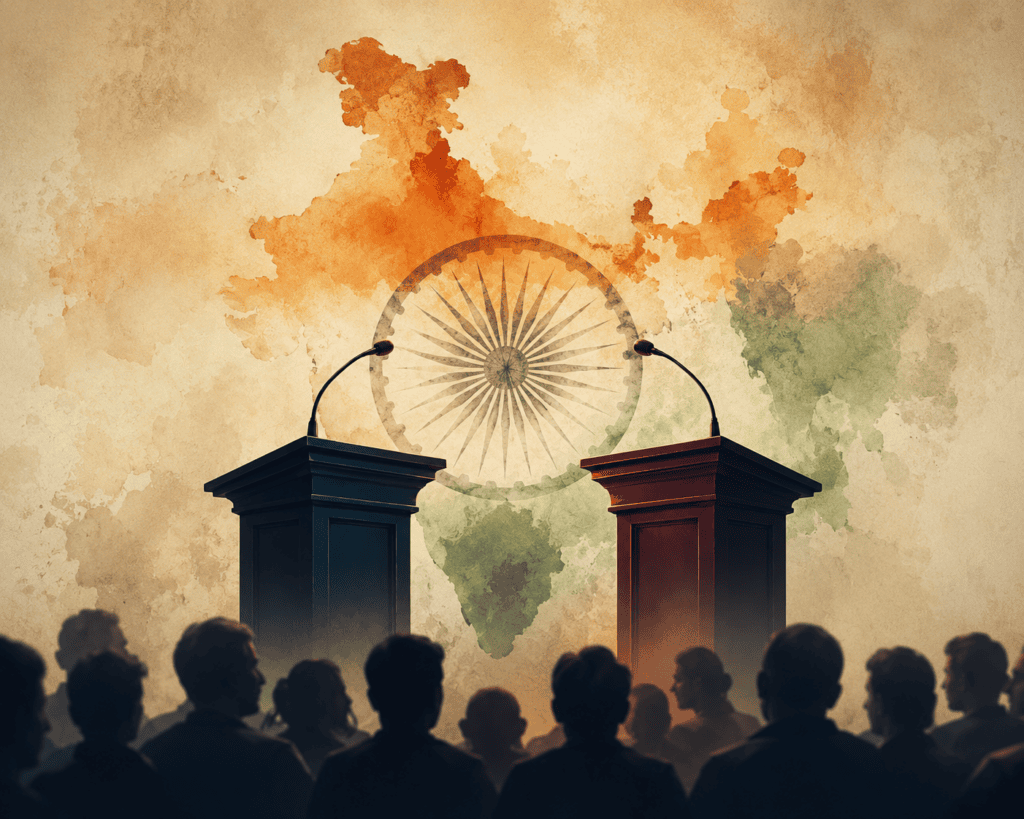
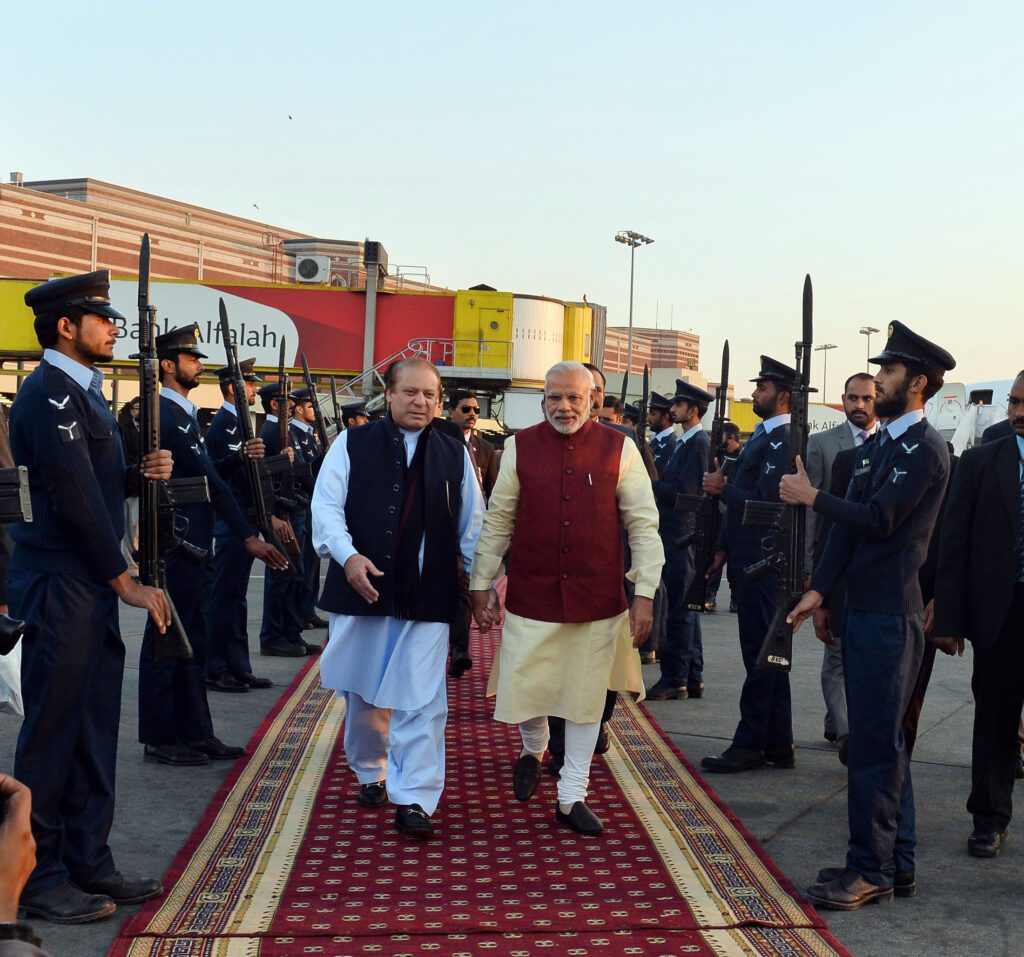
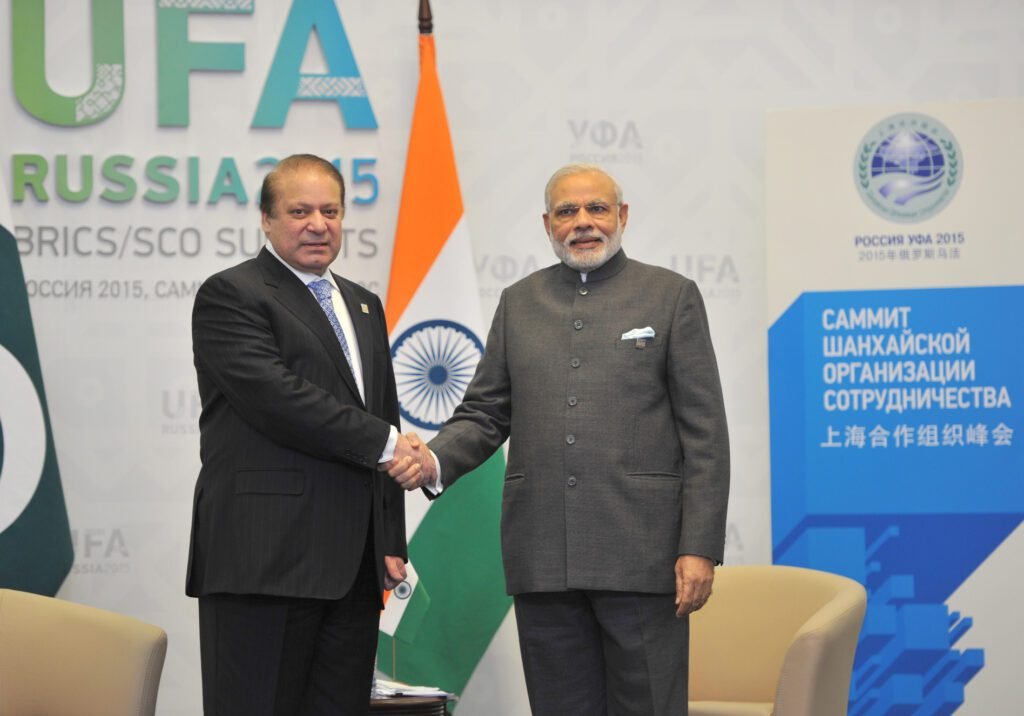
Since the 1990s, India’s strategy towards Pakistan has followed a coherent, albeit unstated, pattern of containment, dissuasion, and strengthening of internal resilience. Successive governments have tried differing approaches—from former prime ministers Atal Bihari Vajpayee’s peace overtures and military mobilisations, and Manmohan Singh’s strategy of diplomatically isolating Pakistan after nearly five years of backchannel diplomacy and introducing key confidence-building measures, to Prime Minister Narendra Modi’s calibrated military responses following an initial phase of engagement and overtures.
However, the core strategic objective has remained consistent across political transitions—to manage the Pakistan challenge rather than attempt a grand reconciliation.
This strategy, a design of management instead of resolution, is modelled on structural realities of a nuclearised environment, an acknowledgement of Pakistan’s entrenched Military–Jihadi Complex (MJC), the centrality of anti-India sentiment to Pakistan military’s domestic legitimacy, and the absence of public support in India for a grand bargain with Pakistan. In that context, India has sought to limit the frequency and lethality of Pakistan-led disruptions, manage the escalation ladder during a military confrontation, and keep the international narrative favourable.