When Ajit Doval landed in Riyadh, he wasn’t there for optics. Acting on the directive of Prime Minister Narendra Modi, India’s National Security Adviser arrived with a focused mandate: contain the spillover of a rapidly escalating West Asian crisis before it disrupts India’s economic and security interests.
What Happened in Riyadh?
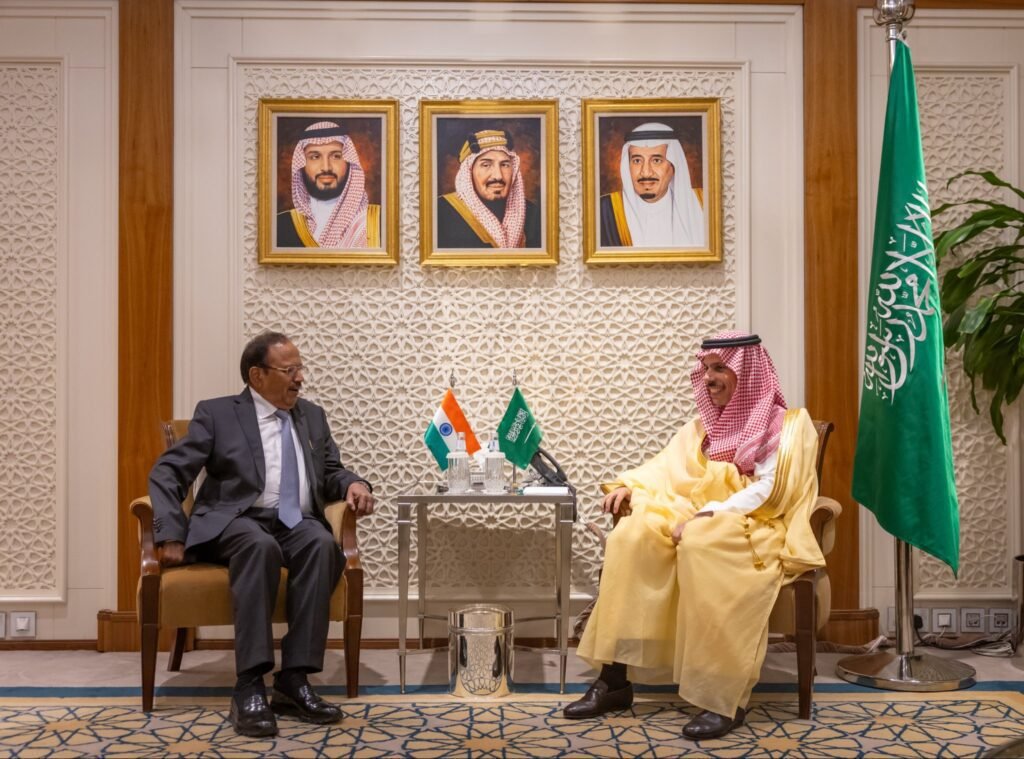
On April 19, 2026, India’s National Security Adviser Ajit Doval visited Riyadh and held high-level meetings with top Saudi leaders.
According to the Ministry of External Affairs (MEA), Doval met with Energy Minister Prince Abdulaziz bin Salman, Foreign Minister Prince Faisal bin Farhan, and National Security Advisor Dr Musaed bin Mohammed Al Aiban. The discussions were described as “helpful”, focusing on bilateral ties, the volatile regional situation, energy security, and maritime safety.
The visit followed closely after External Affairs Minister S. Jaishankar’s visit to the UAE and Petroleum Minister Hardeep Puri’s trip to Qatar, highlighting India’s coordinated Gulf outreach. In terms of energy ties, Saudi Arabia is India’s second-largest oil supplier (after Russia), Qatar is its largest LNG supplier, and the UAE is both the second-largest LNG supplier and the fourth-largest oil supplier.
Why is this Important Now?
The timing is highly sensitive. The visit comes amid a fragile ceasefire following recent US–Israeli strikes on Iran, which have heightened regional instability. One immediate concern is the Strait of Hormuz—a critical chokepoint carrying roughly 20% of the global oil supply.
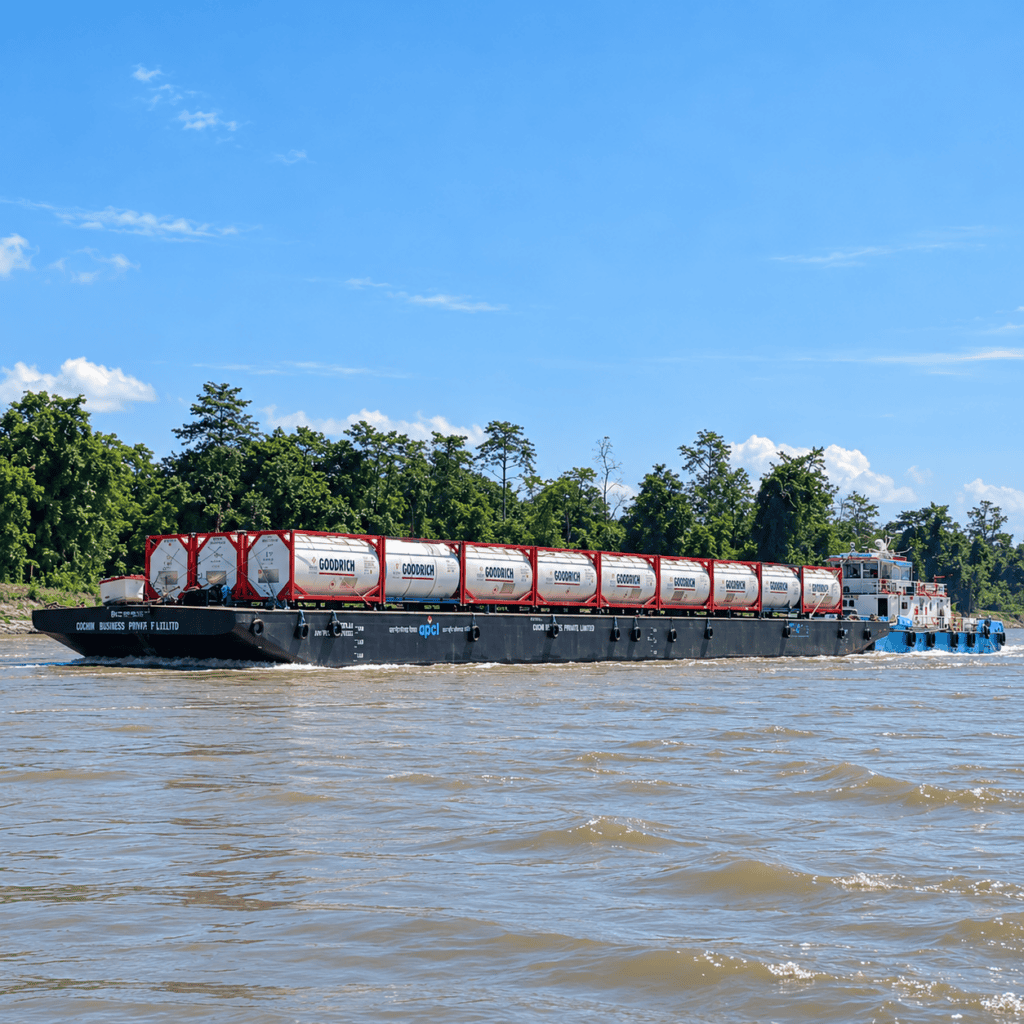
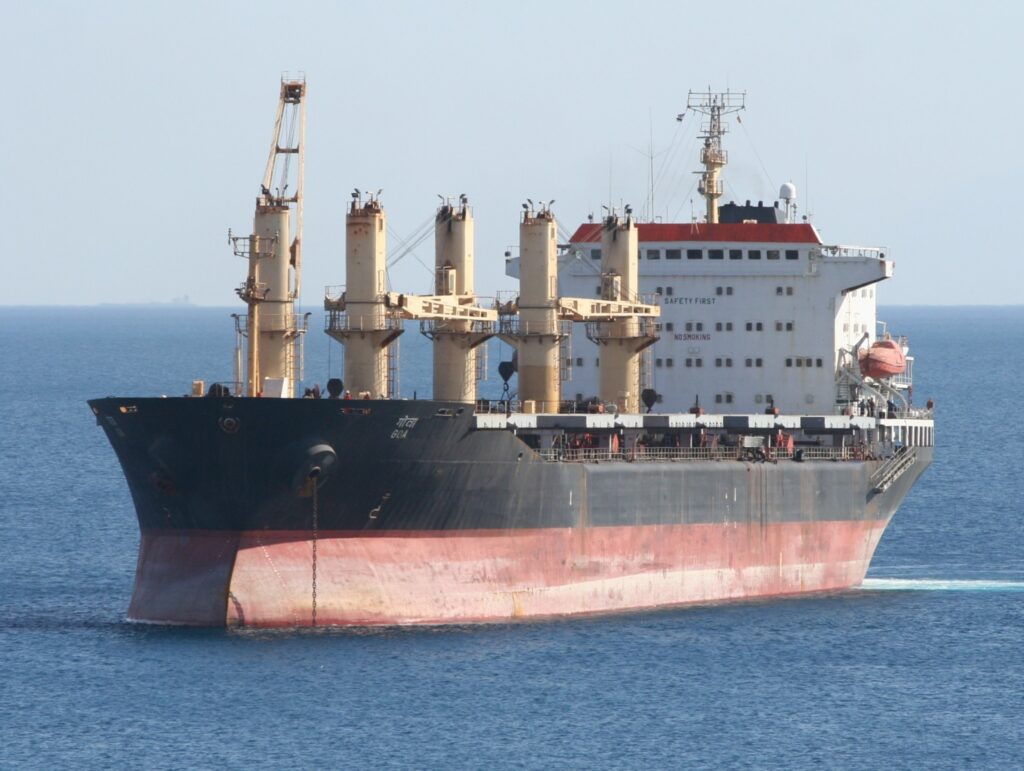
The Indian government has escalated its diplomatic and security response following the firing on Indian vessels. The Ministry of External Affairs (MEA) summoned the Iranian Ambassador to register a strong protest. During the meeting, India conveyed its deep concern over the incident involving the two India-flagged ships, Jag Arnav and Sanmar Herald, which were fired upon while attempting to transit the Strait. Foreign Secretary Vikram Misri stated that India attaches high importance to the safety of its mariners and recalled that Iran had previously facilitated the safe passage of India-bound vessels. He urged the Iranian Ambassador to relay New Delhi’s views to Tehran and resume the process of clearing Indian ships through the Strait of Hormuz, to which the Ambassador agreed.
India is one of the largest users of the Strait of Hormuz, and this incident has highlighted significant vulnerabilities. As of April 2026, at least 14 Indian vessels remain stranded in the region, although efforts have secured the passage of 10 other Indian-flagged oil and LPG carriers. The government is in constant contact with Iranian authorities to ensure the safety of these ships and their crews.
Moreover, nearly 9–10 million Indian nationals live and work across the Gulf region. Their safety is both a humanitarian priority and a domestic concern. In this context, Doval’s visit to Riyadh focused on intelligence coordination and contingency planning, including possible evacuation efforts in case of wider conflict escalation.
However, the foremost risk is escalation. The current ceasefire is inherently fragile, and any renewed retaliation by Iran or fresh Israeli strikes could quickly unravel the situation.
What Lies Ahead
Doval’s Riyadh visit points to a broader recalibration in India’s approach to West Asia. What is emerging is a strategy that treats regional instability not as a distant geopolitical issue but as a direct economic and security risk.
India is engaging key Gulf partners earlier and more intensively, signalling a preference for crisis anticipation rather than post-facto response. Energy flows are increasingly being viewed through a strategic lens, where disruptions are managed not just through markets but through diplomacy and security coordination. At the same time, sustained engagement with Saudi Arabia, the United Arab Emirates, and Qatar reflects an effort to build a more resilient regional network.
This was not a routine visit, but a calibrated intervention at a moment of high uncertainty. With tensions in West Asia threatening to spill into global energy markets and maritime security, India is moving on multiple fronts to protect its interests. Whether the current ceasefire holds or collapses, the message from New Delhi is clear: India intends to stay ahead of the crisis, rather than be shaped by it.
Note: This article has been researched, edited, and fact-checked by India’s World staff and prepared with AI assistance.