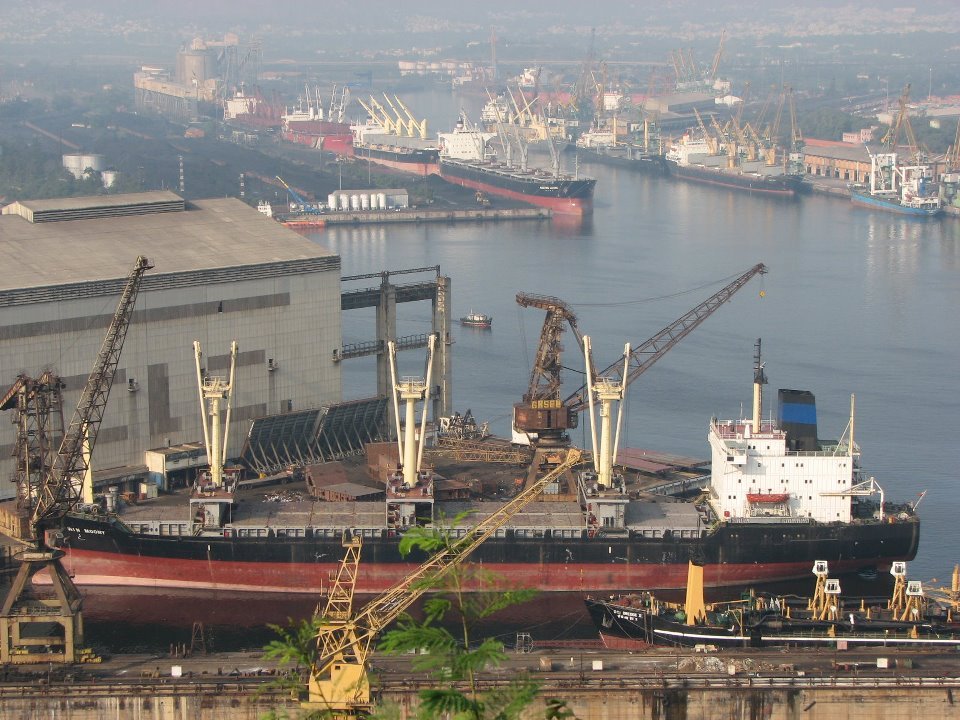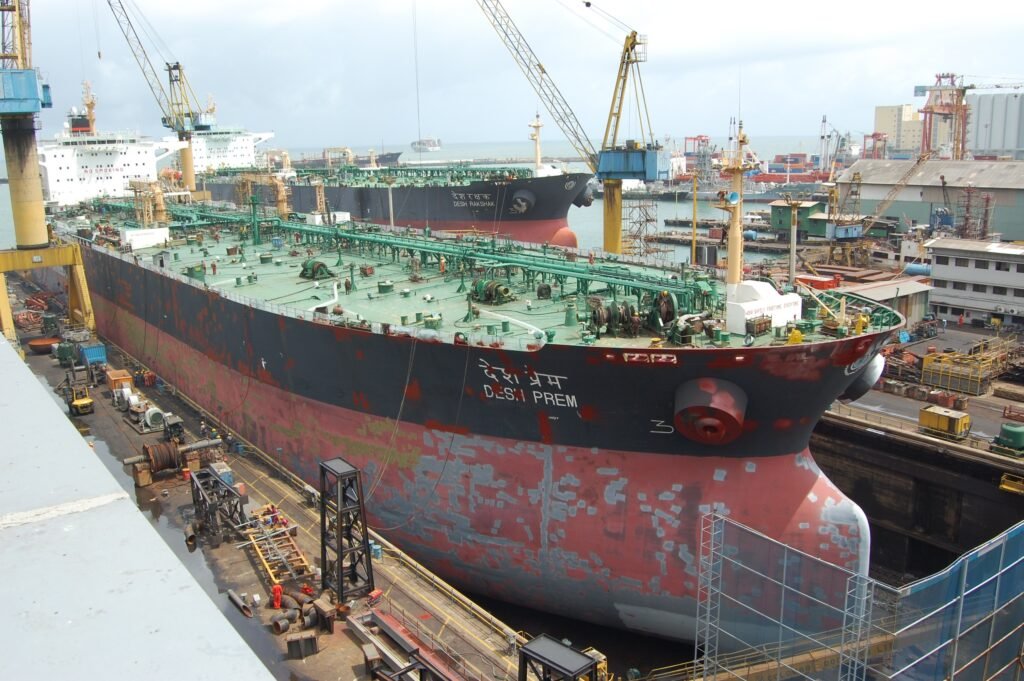
India has taken a calculated step that reshapes the strategic chessboard in its backyard. Mazagon Dock Shipbuilders Limited (MDL), a Mumbai-based public sector shipyard operating under India’s Ministry of Defence, renowned for building India’s submarine and frontline warships, has completed its first international acquisition—securing a 51% controlling stake in Sri Lanka’s Colombo Dockyard PLC for approximately ₹249.5 crore ($26.8 million). This is not merely a business transaction; it is a strategic foothold placed directly on one of the world’s busiest maritime lanes.
The deal transfers majority ownership and operational control of Sri Lanka’s largest commercial shipbuilding and repair facility to India. The shares were bought in phases from Onomichi Dockyard, which exited the project, leaving Sri Lanka financially vulnerable. Following the acquisition, the Colombo Dockyard board has been reorganised with MDL’s chairman, Capt Jagmohan (Retd), appointed as Non-Executive Chairman and other senior officials taking leadership roles.
Why It’s a Major Win for India
The Colombo Port is a key point on the busy East–West shipping route and handles nearly 60% of India’s transhipment cargo. By owning a major industrial facility there, India gains a strong and lasting presence at an important maritime chokepoint. This changes India’s role from just using the port to being an active stakeholder with real involvement, increasing its influence over regional shipping and trade.
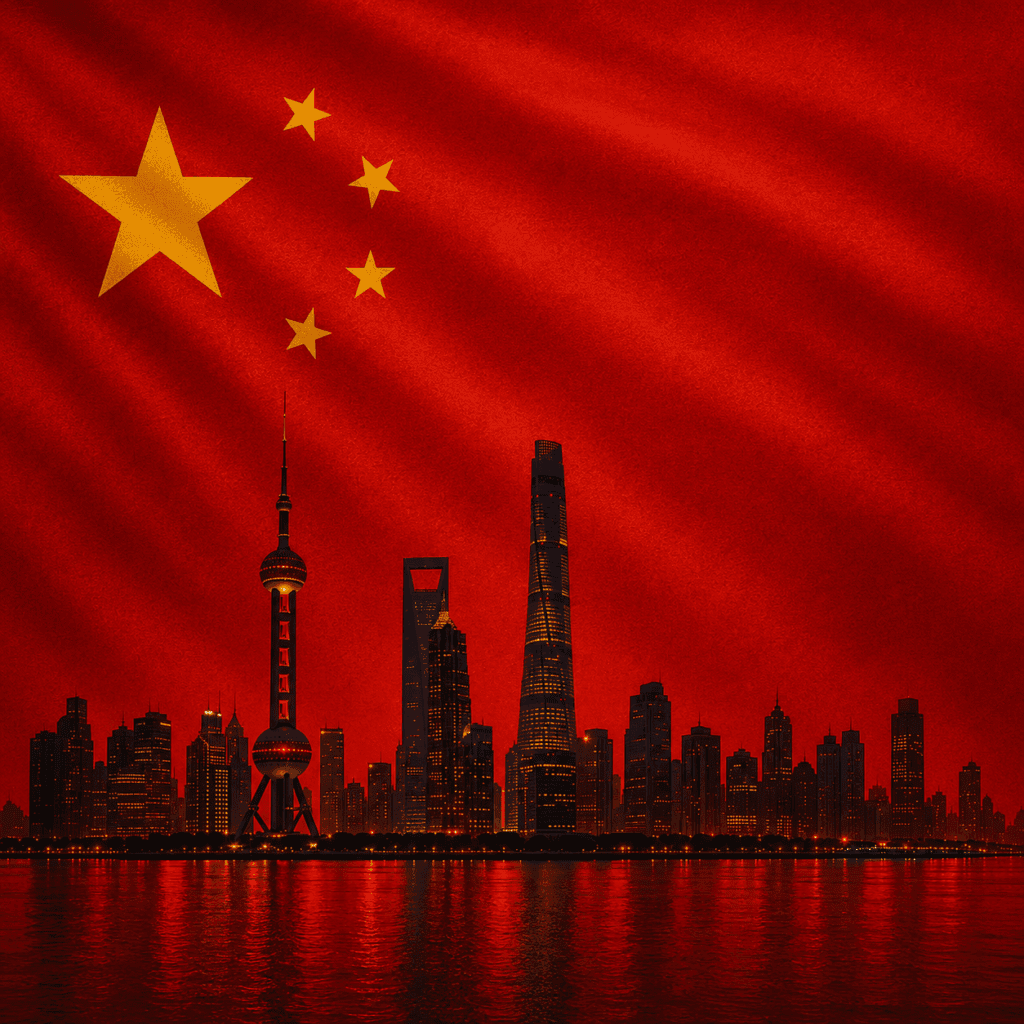
It also serves as a direct response to China’s ‘String of Pearls’ strategy. China’s growing presence in Sri Lanka, especially through the 99-year lease of Hambantota port, has been a major concern for India. This move is a careful and strategic counter. It puts India in the same port where Chinese-linked companies run the Colombo International Container Terminal. It also creates an option for servicing Indian naval and coast guard ships, reducing reliance on other ports and improving readiness in the Central Indian Ocean Region.
In addition, this step fits well with India’s long-term plans set by the Ministry of Ports, Shipping and Waterways. It supports the Maritime Amrit Kaal Vision 2047, which aims to make India one of the world’s leading shipbuilding nations. It gives MDL, which mainly builds warships, a dedicated space for commercial ship repair, helping it expand its income sources and technical capabilities.
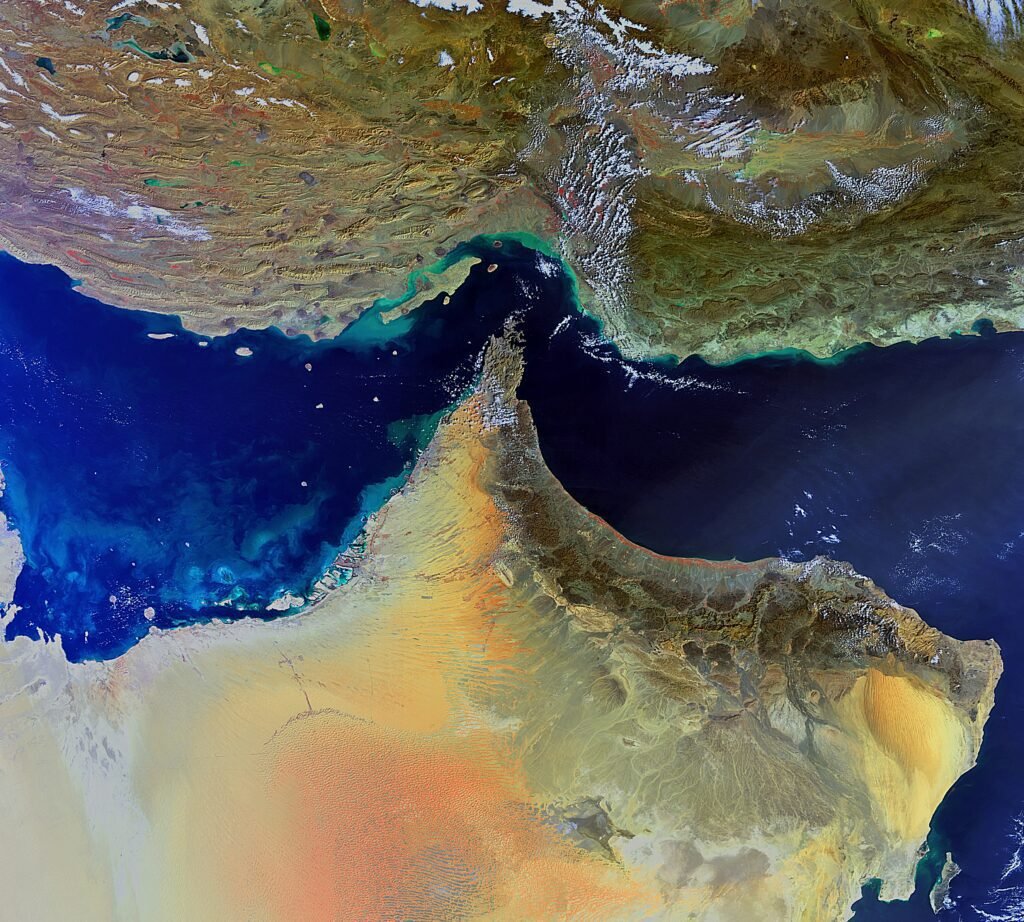
This deal also comes after India provided major economic help to Sri Lanka during its recent financial crisis, including emergency fuel support during tensions in the Hormuz Strait. The agreement can be seen as Sri Lanka returning that support by choosing India as a strategic partner and strengthening economic ties. It also reinforces India’s position as the preferred first responder in the region.
Highlights and Drawbacks
This is not the first time India has built its presence in Sri Lanka through maritime and economic engagement. Over the years, India has steadily increased its influence using major investments and infrastructure projects. For example, the Adani Group is developing and operating the Colombo West International Terminal, a major project aimed at increasing the port’s capacity and improving its ability to handle global shipping traffic.
In addition, Lanka IOC (LIOC), a subsidiary of the Indian Oil Corporation, has built a strong fuel and energy network across Sri Lanka. It controls around 20% of the retail fuel market and runs more than 200 fuel stations. Its key assets include a large lubricant plant in Trincomalee with a capacity of 18,000 tons, major bunkering operations at the ports of Colombo and Trincomalee, and a one-third stake in the Ceylon Petroleum Storage Terminals Limited (CPSTL), which manages 13 oil storage terminals across the island.
With the new controlling stake in Colombo Dockyard PLC, India is further expanding its role. This deal gives India influence over shipbuilding, logistics, and maritime services in Sri Lanka, creating a long-term and multi-layered strategic presence. It shows that India is becoming more proactive and confident as a regional power, using economic and infrastructure tools to strengthen its position.
At the same time, this move is also practical and economically driven. Indian ports are often more expensive and do not always have the capacity to handle very large vessels compared to Colombo. By investing directly in Sri Lanka’s port infrastructure, India can reduce its dependence on foreign facilities for handling its own trade. This can improve efficiency, strengthen supply chains, and make India more competitive in global shipping. Instead of directly confronting China, this approach allows India to secure its interests in a more balanced and strategic way.
However, there are important challenges and concerns. Colombo Dockyard has faced financial difficulties in recent years and reported significant losses in 2023. This means that the success of the deal will depend on whether Mazagon Dock Shipbuilders Limited (MDL) can successfully revive and manage the shipyard as a profitable business. This may be difficult because MDL’s main expertise lies in building defence ships, not running commercial ship repair operations.
There are also wider geopolitical concerns that this move could provoke a strong reaction from China, leading to increased competition over infrastructure projects in Sri Lanka. This could place Sri Lanka in a difficult position, caught between major powers and facing renewed geopolitical pressure.
Future Developments and Key Uncertainties
The main uncertainty is whether MDL can turn the dockyard into a profitable business. Its success will depend on securing international ship repair contracts, completing current projects efficiently (such as the vessels being built for France’s Orange Marine), and successfully linking the yard to global supply chains.
Sri Lanka’s domestic politics and its careful balancing between India and China also remain uncertain factors. For the partnership to deliver its full strategic value, future governments in Sri Lanka will need to continue supporting it.
China’s response will be important to watch. It may react by offering Sri Lanka more subsidized projects, expanding its naval outreach, or using its influence in other sectors. This situation will test whether the region can manage competing strategic interests without escalating tensions.
Another key point to monitor is how the role of the facility develops over time. Will it begin to take on more maintenance and repair work for Indian and other friendly foreign navies? If it builds these capabilities with Sri Lanka’s approval, its importance as a strategic hub will grow significantly.
India’s acquisition of Colombo Dockyard PLC is a quiet but powerful move. It is not mainly about setting up a naval base right away, but about building long-term industrial and strategic influence at an important maritime location. While there are still commercial and political risks, the deal shows a more thoughtful and forward-looking use of economic strategy. It strengthens India’s position in the Indian Ocean Region not through military force alone, but through steady and well-planned involvement in the region’s economic systems and infrastructure. In many ways, this marks the beginning of a new phase of strategic competition and cooperation.
This article has been researched, edited, and fact-checked by India’s World staff and prepared with AI assistance.