In an analysis titled Why Africa Is Key to New Delhi’s Strategic Autonomy, published by the Foreign Policy Research Institute, Dr Raghvendra Kumar examines how escalating conflict involving Iran, Israel, and the United States exposes structural vulnerabilities in global energy and trade systems. The disruption around the Strait of Hormuz, which is a critical artery for global oil and gas flows, has triggered sharp volatility in energy markets, showing how geopolitical crises translate into systemic economic shocks. “Operation Epic Fury,” which was aimed at degrading Iran’s command structure through targeted “decapitation strikes,” contrasted with Tehran’s strategy of prolonging the conflict, and has resulted in a scenario of imposing escalating costs on global systems by targeting regional infrastructure and maritime networks.
For India, this ongoing crisis has revealed deep structural dependence on West Asian stability. A significant share of India’s crude oil and LNG imports comes through Hormuz, and there is also significant reliance on the region for fertilizer supply chains, remittance flows, and export markets. The disruptions have already caused oil prices to rise along with shipping costs and insurance premiums, thereby exposing the fragility of this maritime-dependent trade system. Given that the bulk of India’s trade moves by sea, instability in the Gulf and the Red Sea region generates huge economic risks, linking energy security directly to food security and broader macroeconomic stability.
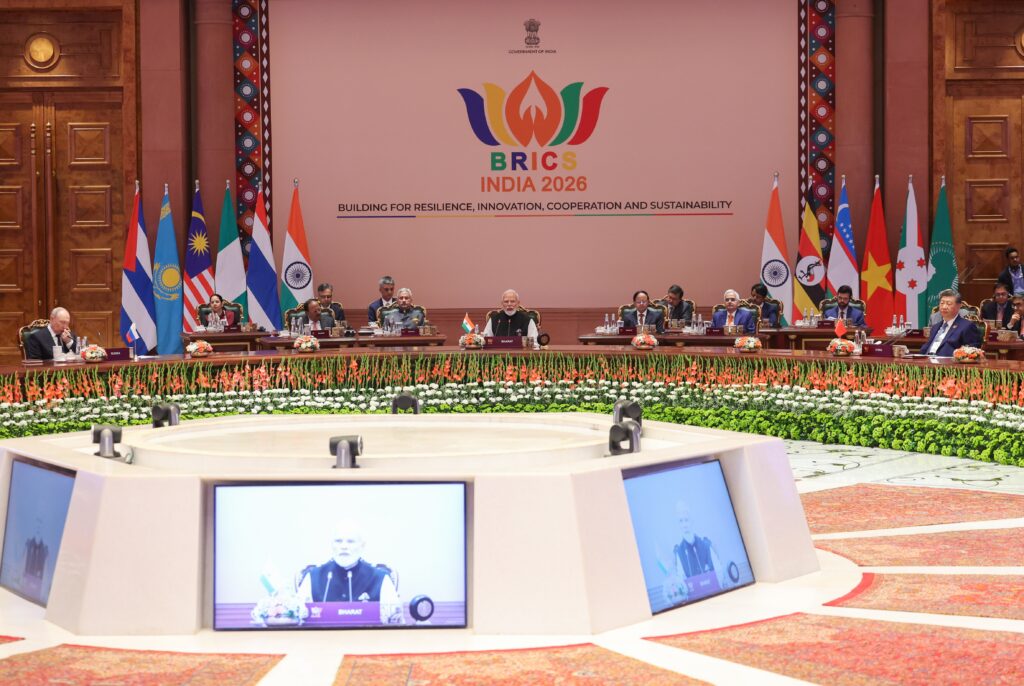
In response, Dr Raghvendra Kumar argues that India’s strategic choices lie within the philosophical framework of the Madhyamā Mārga (Middle Path), which is based on balance, moderation, and the avoidance of rigid alignments. This approach has allowed New Delhi to pursue strategic autonomy through “depolarization” and “de-hyphenation,” maintaining simultaneous engagement with competing powers. We therefore see that India today enjoys parallel partnerships with the US, Israel, and Iran, highlighting this calibrated balancing, which is further supported by institutional mechanisms such as the G20, BRICS, and the Quadrilateral Security Dialogue. Through this, India has reflected a broader preference for flexible, networked cooperation over bloc politics.
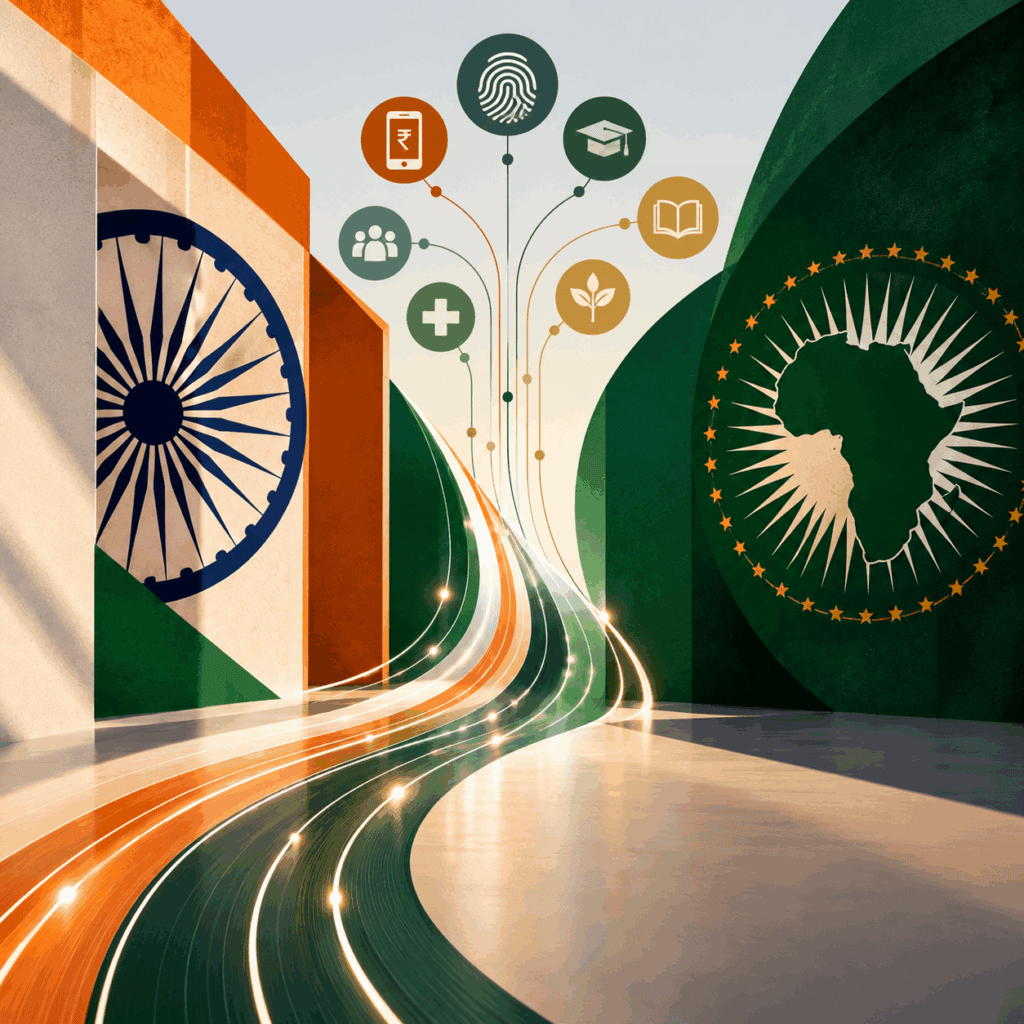
Within this strategic framework, Africa emerges as a critical pillar of India’s long-term recalibration. The continent offers diversification across energy, trade, and logistics while reducing overdependence on conflict-prone regions. African nations such as Nigeria, Angola, and Mozambique provide alternative sources of crude oil and LNG, while their geographic positioning reduces exposure to chokepoints like the Strait of Hormuz. Simultaneously, Africa’s role in global fertilizer supply chains strengthens India’s agricultural resilience, further linking this partnership to domestic food security. Moreover, such cooperation supports India’s MAHASAGAR vision and helps keep key sea routes secure and open for global trade.
Beyond material considerations, India–Africa engagement also carries normative significance. African philosophical traditions such as Ubuntu and Harambee resonate with India’s Middle Path, emphasizing cooperation, coexistence, and shared responsibility. By strengthening these partnerships, India can support a broader Global South strategy aimed at reshaping global governance through “horizontal multilateralism.” Ultimately, as Kumar argues, Africa is a strategic partner in constructing a more diversified and resilient international order — one that is central to India’s pursuit of strategic autonomy in an increasingly fragmented world.