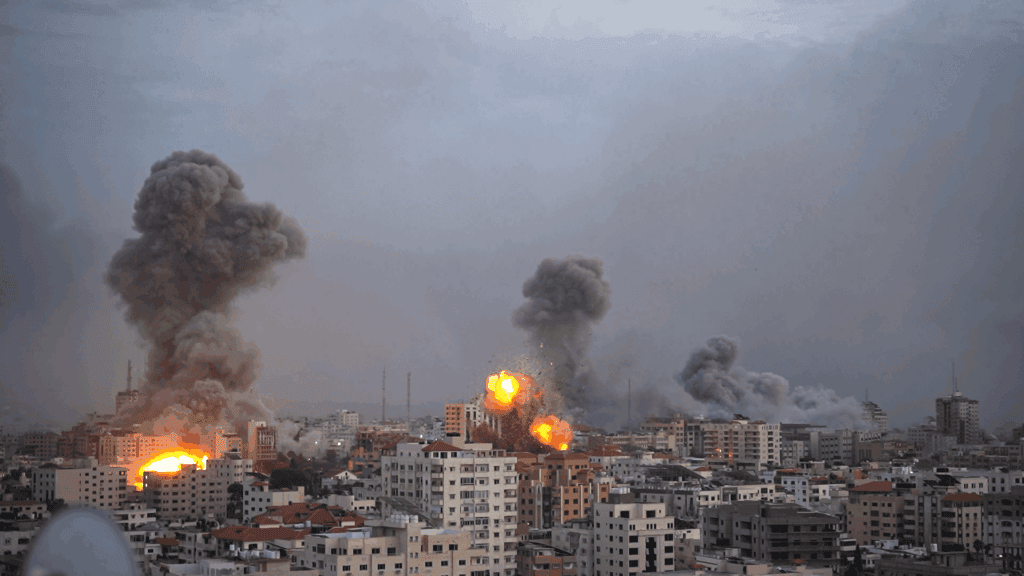
Washington and Tel Aviv believed that eliminating Ayatollah Khamenei would trigger elite fragmentation and mass revolt in Iran. But the opposite seems to be unfolding: a wounded regime closing ranks and preparing for a long war. As war expands across the region, the Islamic Republic appears more durable than anticipated. Why has external pressure failed to fracture the regime?
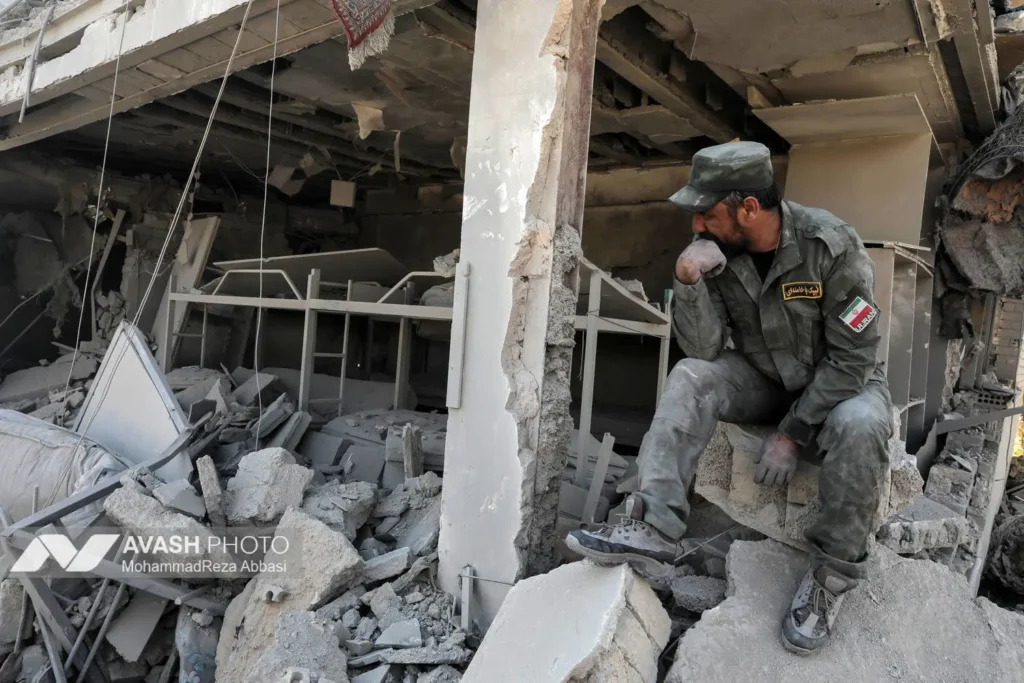
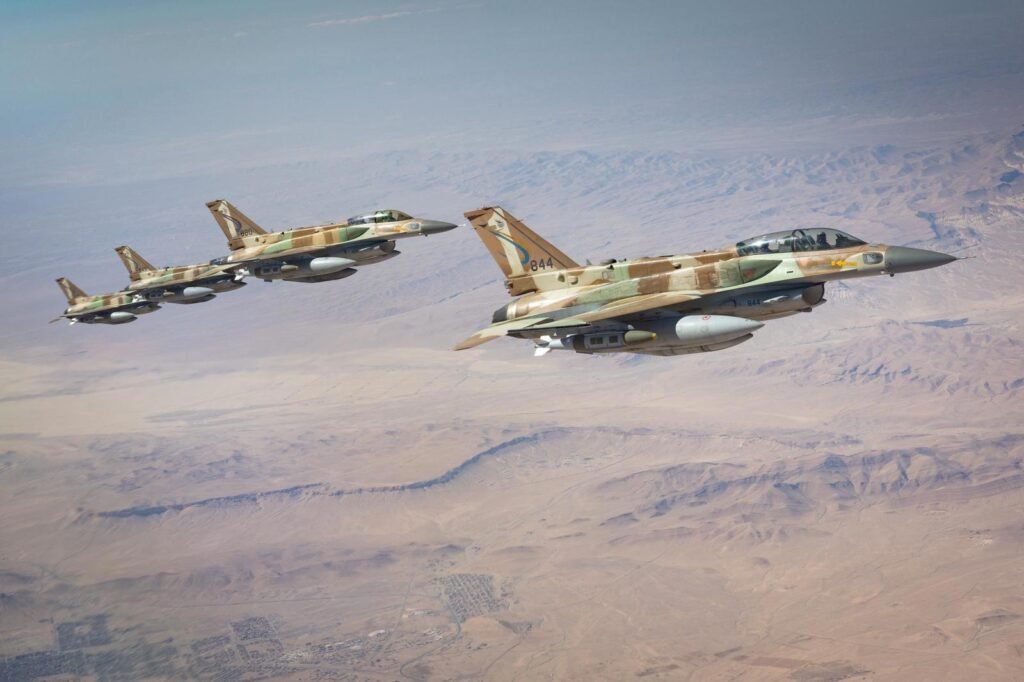
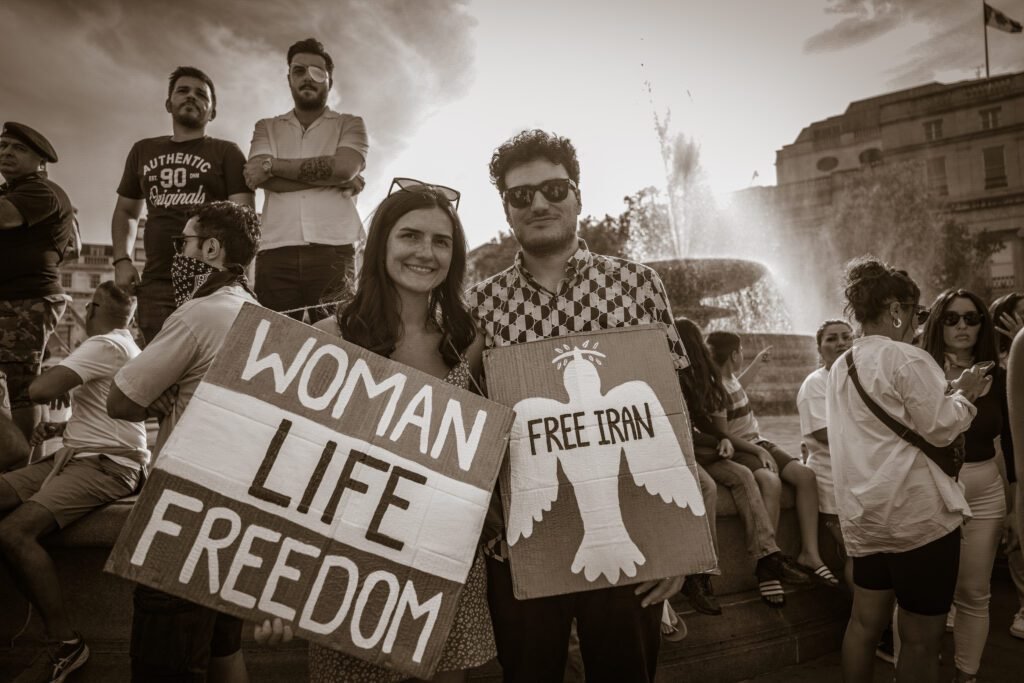
On 28 February, the United States, in coordination with Israel, launched “Operation Epic Fury,” killing Iran’s Supreme Leader Ayatollah Ali Khamenei and targeting Iran’s missile infrastructure and security apparatus—including the IRGC and Basij bases, police stations in Tehran and other provinces. For them, Iran’s internal fragility after the violent suppression of anti-regime mobilisations in January and military vulnerabilities underscored by Israeli-US strikes on Iran’s nuclear and missile programs in June last year, presented a narrow window to make the final push against Iran.
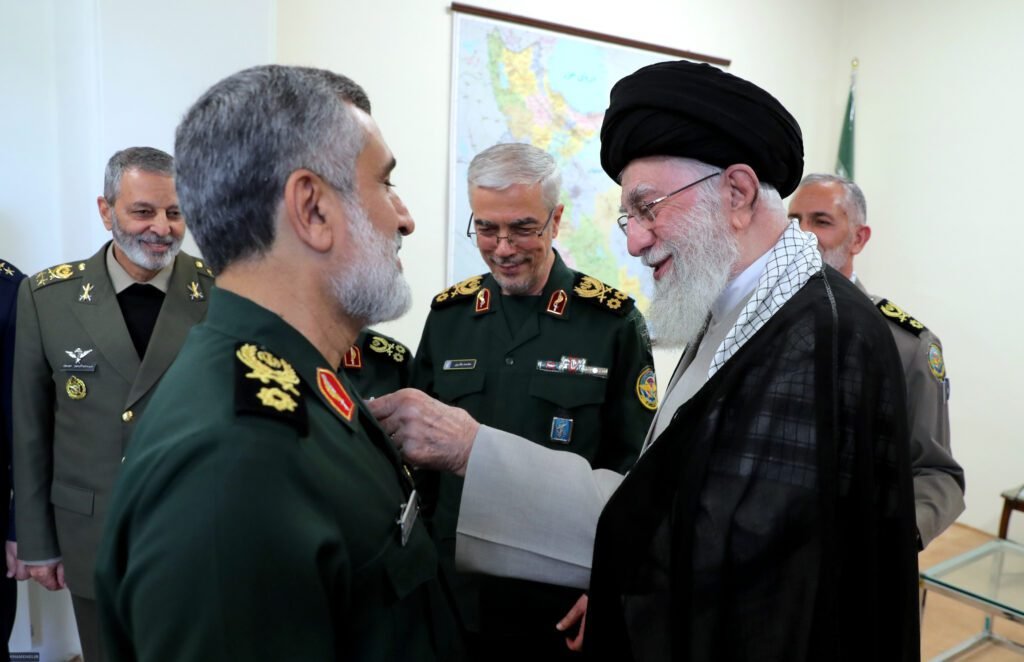
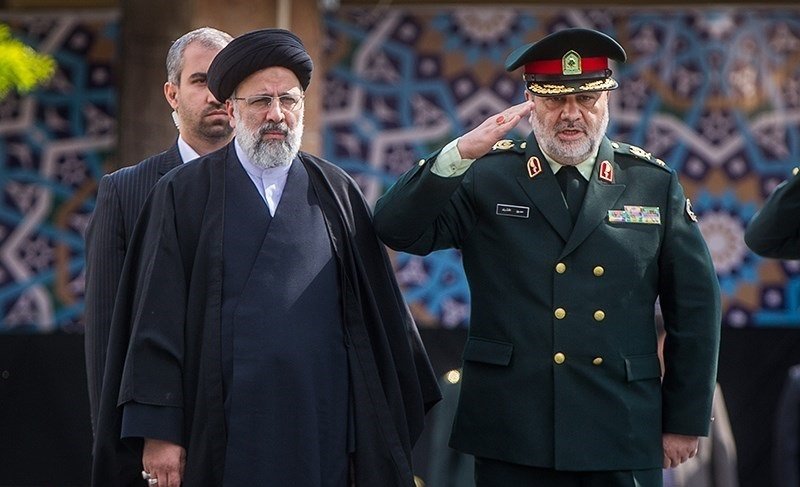
Their expectation that killing Khamenei would lead to elite fracture or popular uprising against the regime has not materialised. The assassination of Khamenei, along with most of his family members, evokes the ultimate tragedy in Shi’i Islam, the Battle of Karbala, and the sacrifice of Imam Hossein, hardening the social base of the Islamic Republic. Iranian security and political elites, who collectively see their survival at stake, have closed ranks and are determined to fight a war of balance, which means they have a higher risk and pain tolerance. The goal remains the system’s survival and the restoration of eroded deterrence.