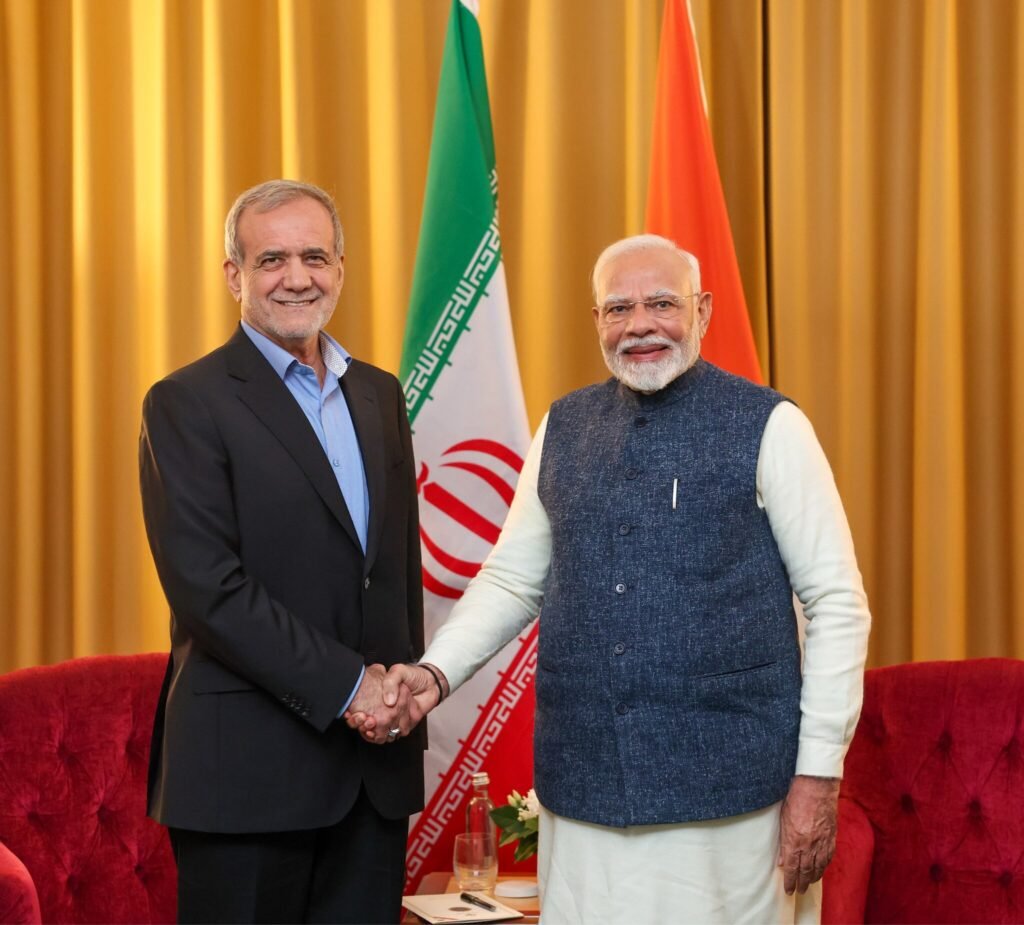
Current hostilities in the Middle East, owing to the joint US-Israel strikes against Iran and Tehran’s counteroffensive, have once again underscored the volatile security scenario in the region. This has given rise to a particular concern for the Indian government due to its implications on Indian energy imports via disruptions to shipping routes through the Strait of Hormuz.
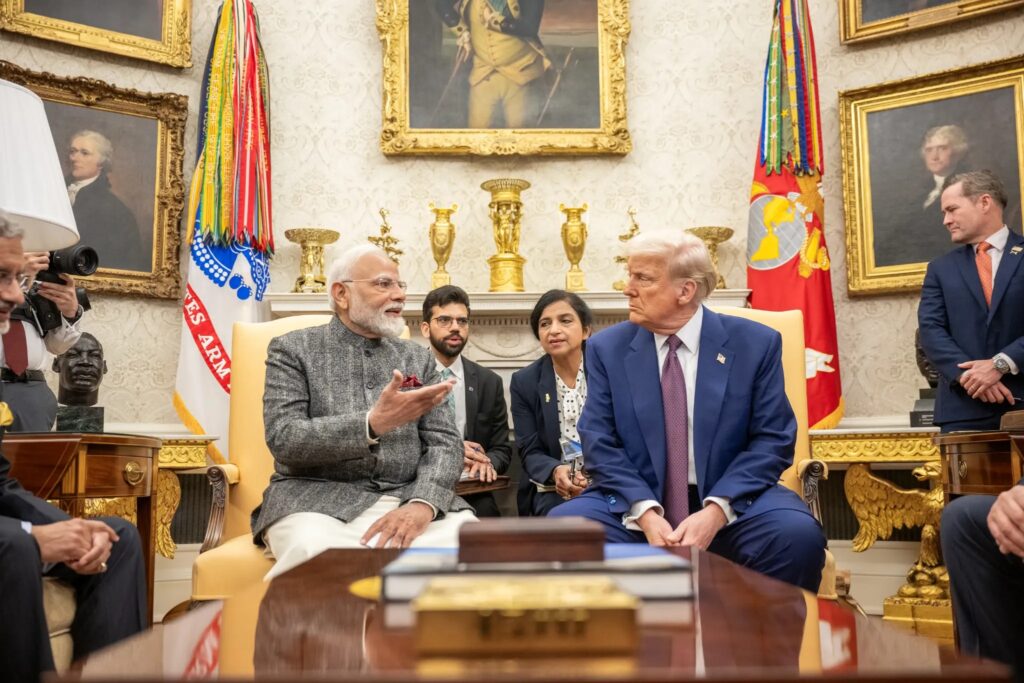
It is against this background that Prime Minister Narendra Modi, during his telephonic conversation with Iranian President Masoud Pezeshkian, underlined the “importance of unhindered transit of energy and goods,” besides highlighting “India’s priority regarding the safety and well-being of Indian nationals in the region, including in Iran.” Just a few days earlier, India’s External Affairs Minister S. Jaishankar also held a similar telephonic conversation with his Iranian counterpart Abbas Araghchi, during which the security of shipping routes was discussed. These high-profile conversations reflect a larger reality that India’s interests in the Middle East are structural and extensive in nature. However, the crisis also reveals the larger strategic conundrum that New Delhi faces. India aspires to enjoy strategic autonomy in an environment marked by intense rivalries and interventions by great powers. Its scope for strategic action is constantly circumscribed by the competing interests of the regional and external actors.