Arriving as carpenters, shoemakers, tannery workers, and traders during the colonial era, Chinese migrants became part of Kolkata’s everyday life more than two and a half centuries ago. Over time, these people, mainly Hakka, Cantonese, and other groups from southern China, built businesses, temples, schools, and associations, creating what is now known as Chinatown in Kolkata.
In neighbourhoods such as Tiretta Bazaar and Tangra, Chinese traditions continue through food, festivals, temples, and family trades. The once-thriving tannery district of Tangra gradually transformed into a culinary landmark, while Tiretta Bazaar still carries traces of an older mercantile past. Though the community’s numbers have declined sharply—from several thousand in the mid-twentieth century to roughly 1,500–2,000 today—its cultural imprint remains visible.
Over generations, the Chinese community has woven itself into the city’s social fabric. Interactions, shared workplaces, and neighbourhood life have fostered deep familiarity with local customs, languages, and festivals. Many families speak Bengali or Hindi alongside Hakka or Cantonese. At the same time, Lunar New Year celebrations, ancestral rites, and temple gatherings continue to sustain a distinct identity—suggesting integration without erasure of identity.
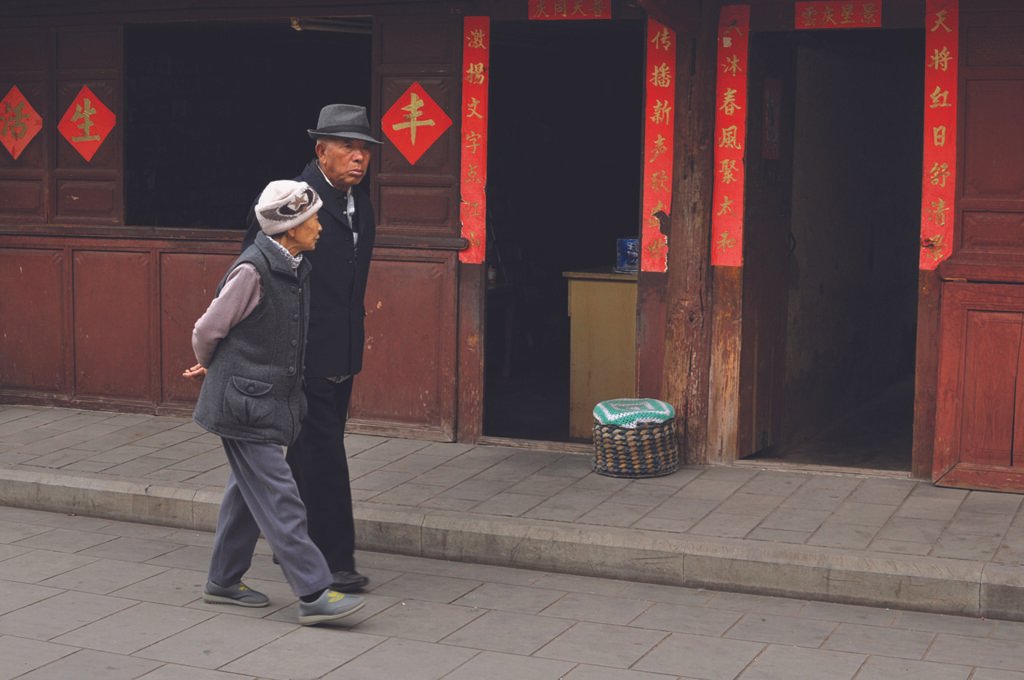
A journey to Kunming in Yunnan province revealed an unexpected sense of recognition. Street markets, shrine interiors, ageing facades, and the choreography of everyday commerce seemed quietly familiar. The similarities were not grand or theatrical; they lived in textures, gestures, and arrangements of space.
This photo essay places Kunming and Kolkata in conversation. Set side by side, these photographs explore how migration reshapes cities, how communities endure through adaptation, and how belonging is built gradually through work, ritual, and memory.
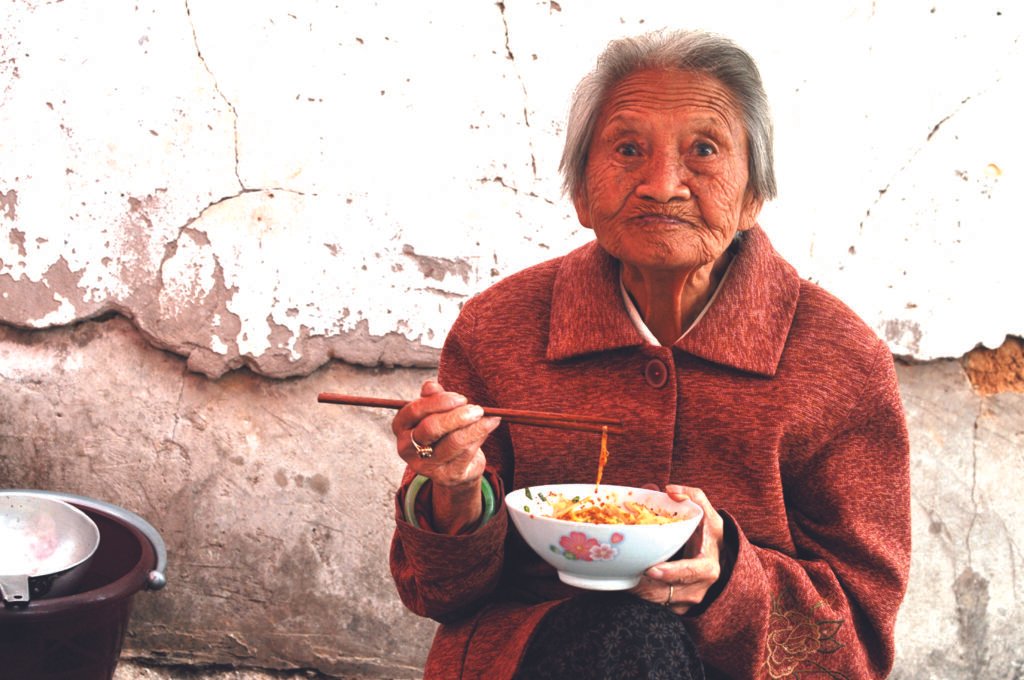
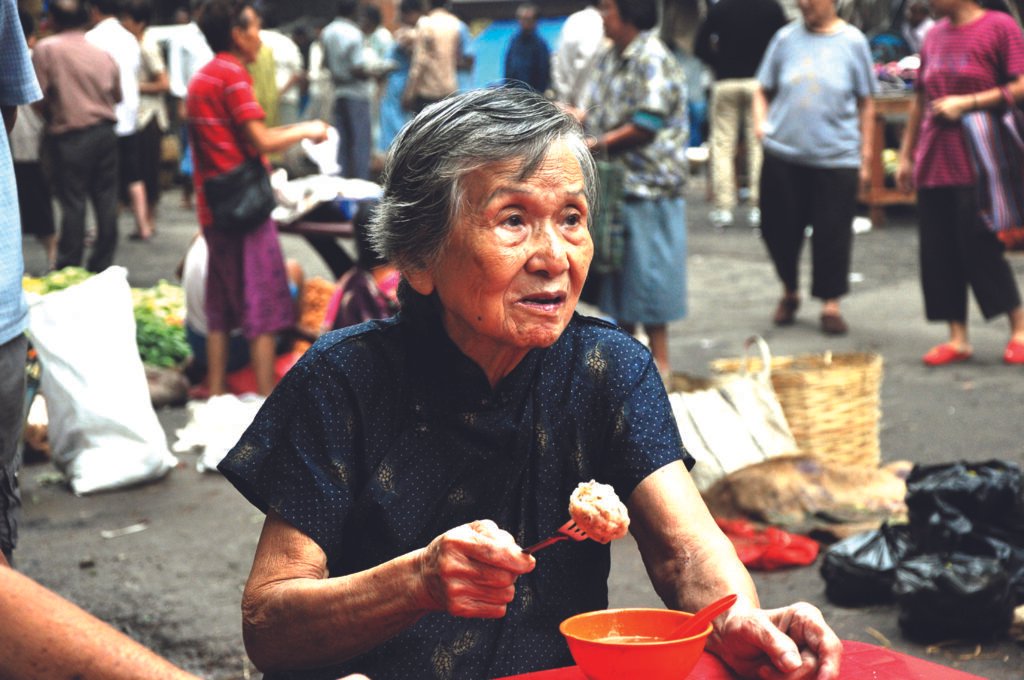
Two old souls greet the day with a bowl in hand. Similar food, similar morning ritual — and in their eyes, the shared burden of experience. Left: Kunming. Right: Kolkata.
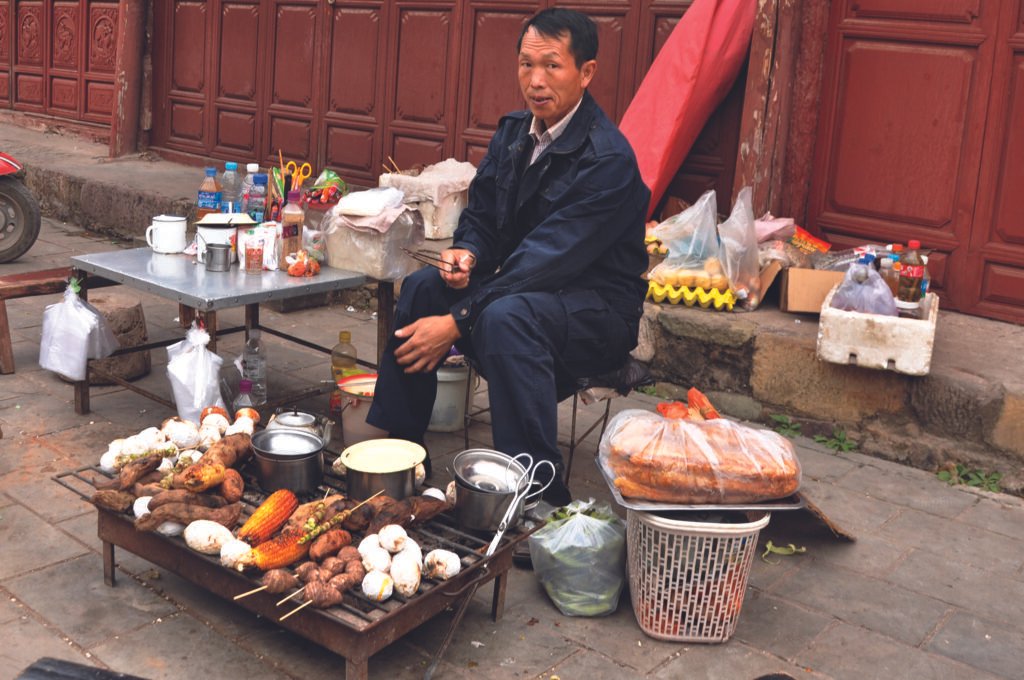
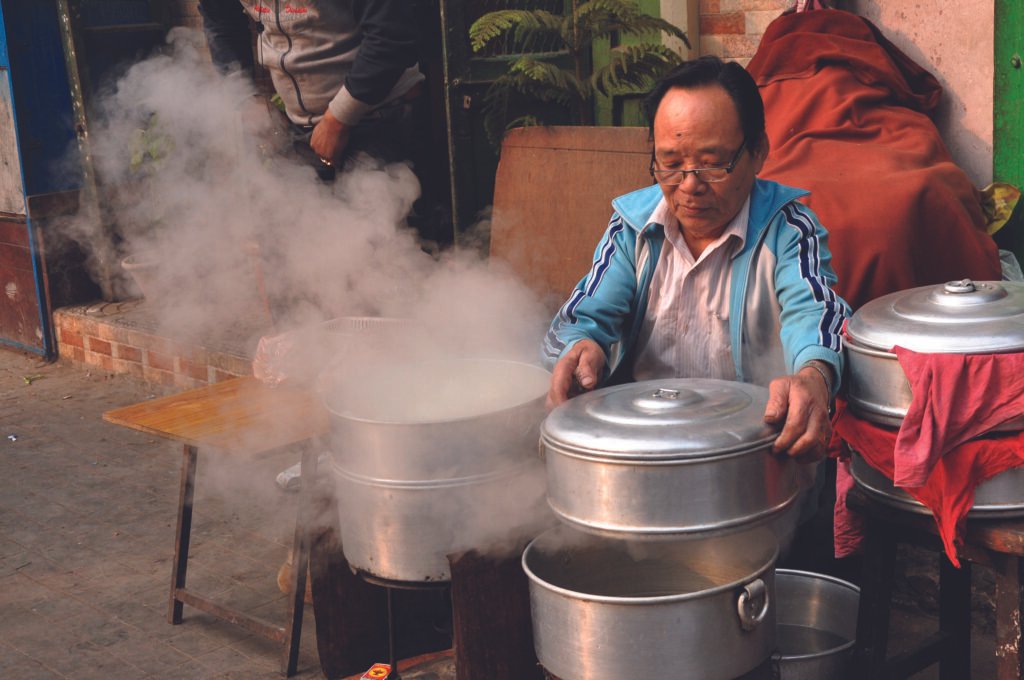
Two vendors, two cities, one morning ritual. Whether over charcoal in Kunming or rising steam in Kolkata, the day begins with patience, heat, and work. Left: Kunming. Right: Kolkata.
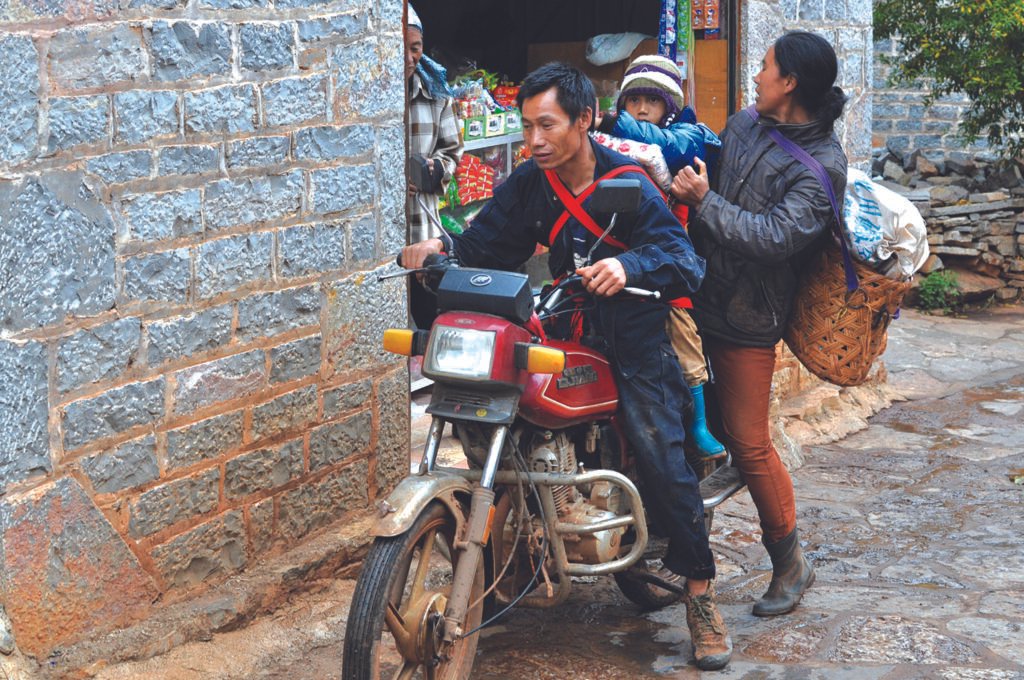
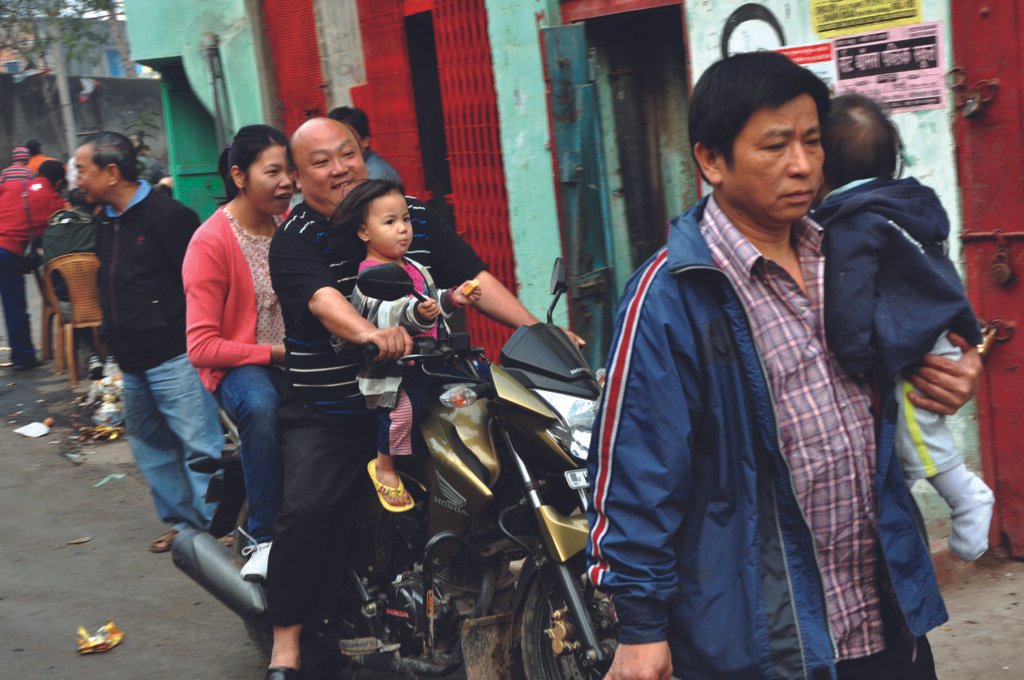
Morning haste carries a family forward. In Kunming and Kolkata, parents and child share the narrow seat of a motorbike, balancing routine, responsibility, and the day ahead. Left: Kunming. Right: Kolkata.
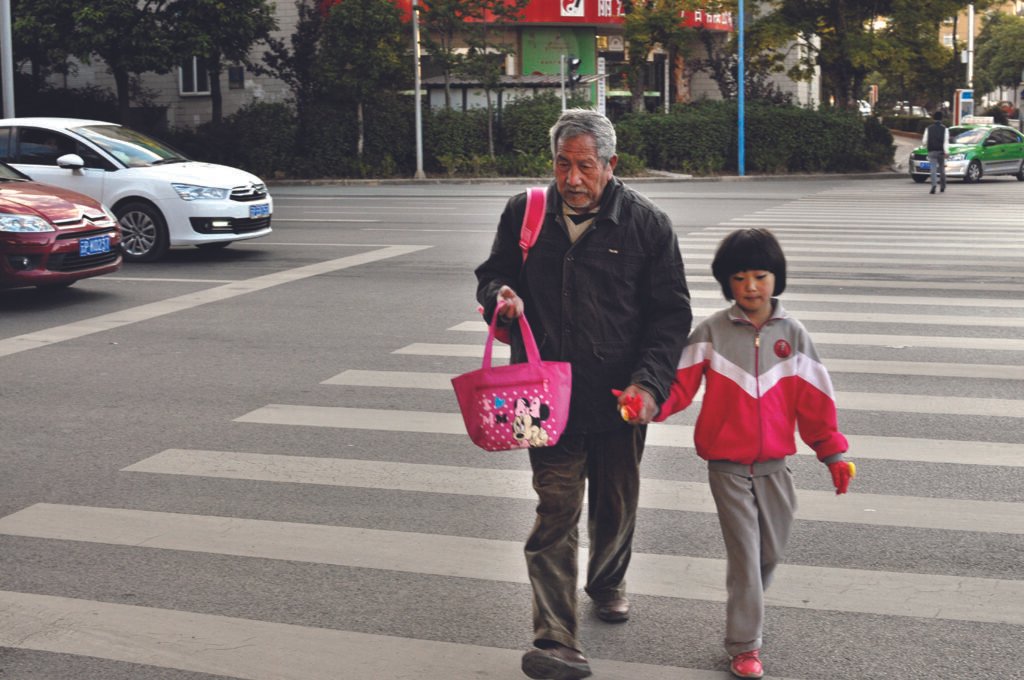
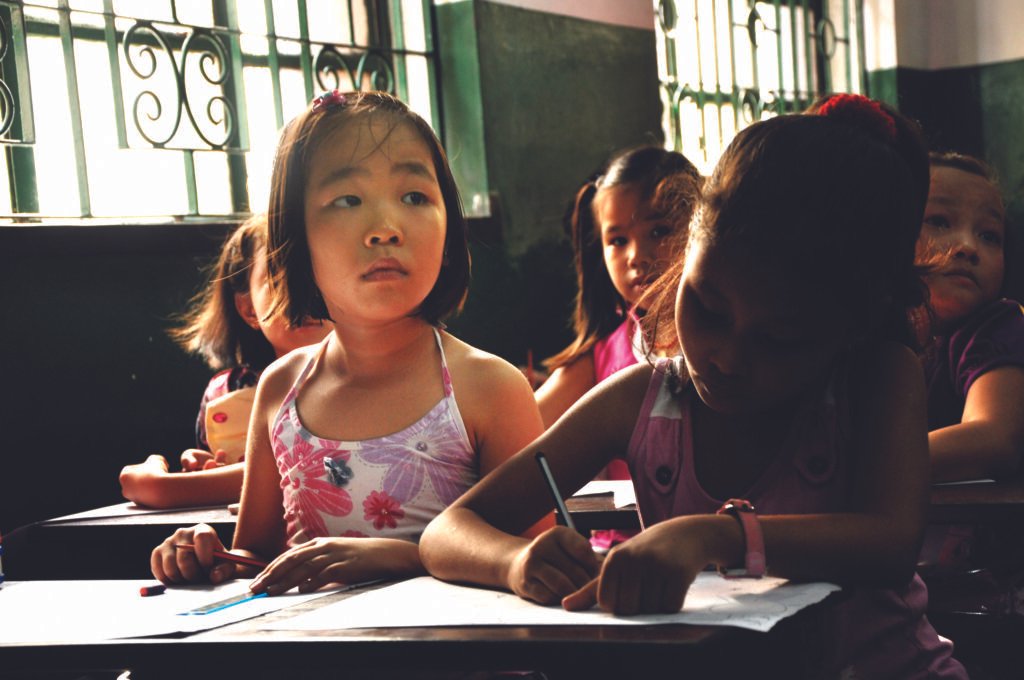
Different frames, shared purpose—a child on her way to school with her grandfather in Kunming (left), and a classroom in Tangra, Kolkata (right). The routine of learning binds the two.
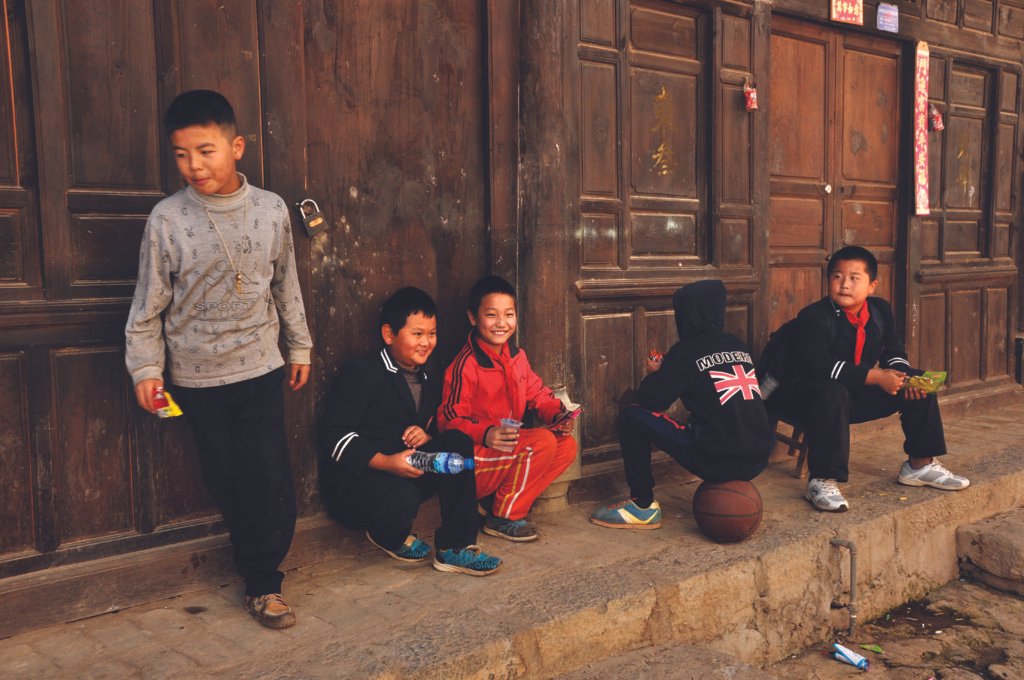
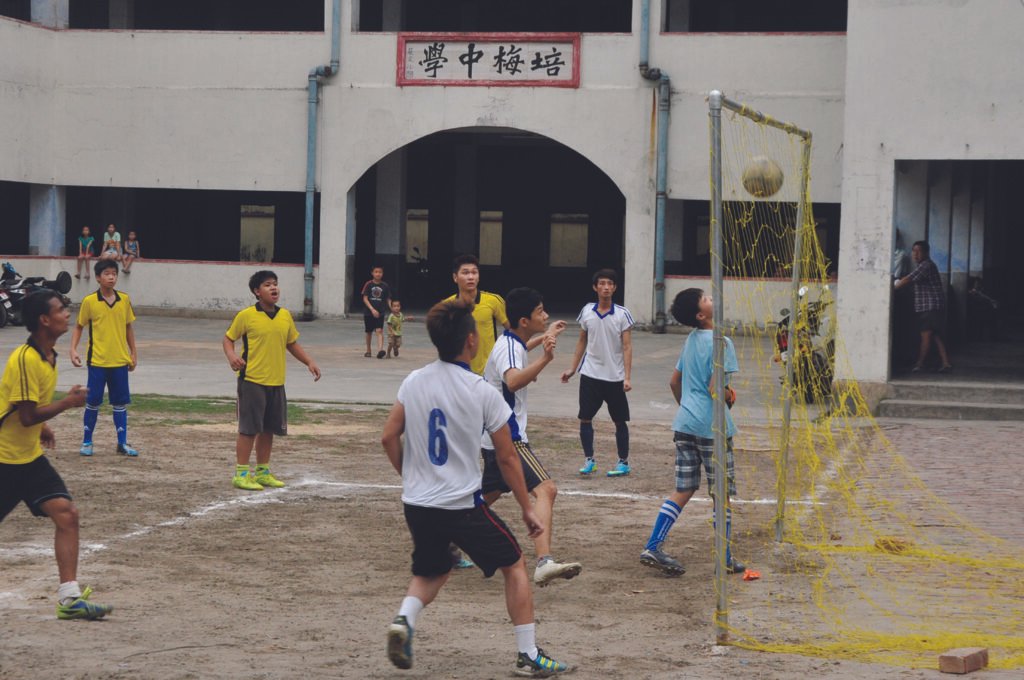
The future gathers in small groups. Whether seated with a basketball in Kunming or chasing a football in Kolkata, boys rehearse belonging through play. Left: Kunming. Right: Kolkata.
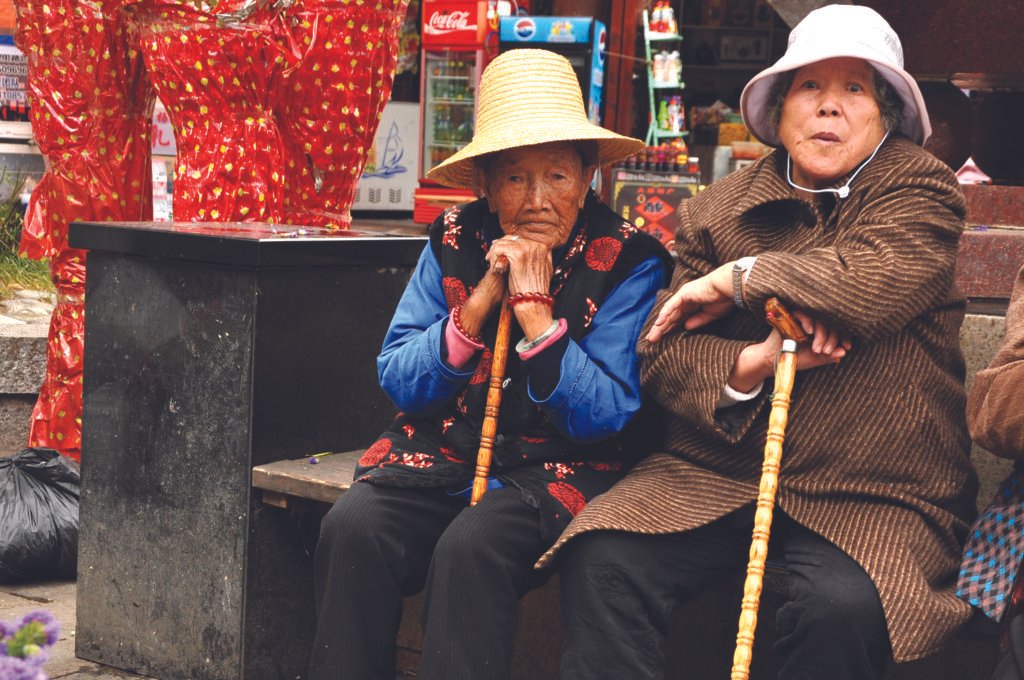
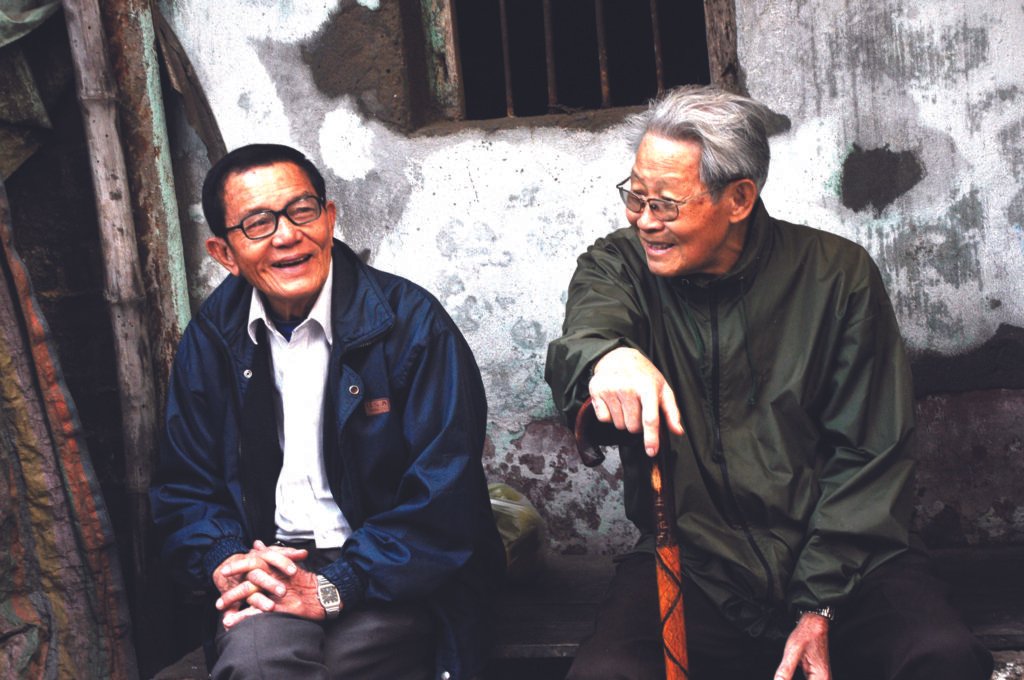
The day settles into conversation. In Kunming and Kolkata, elders share benches, stories, and the slow rhythm of time. Left: Kunming. Right: Kolkata.
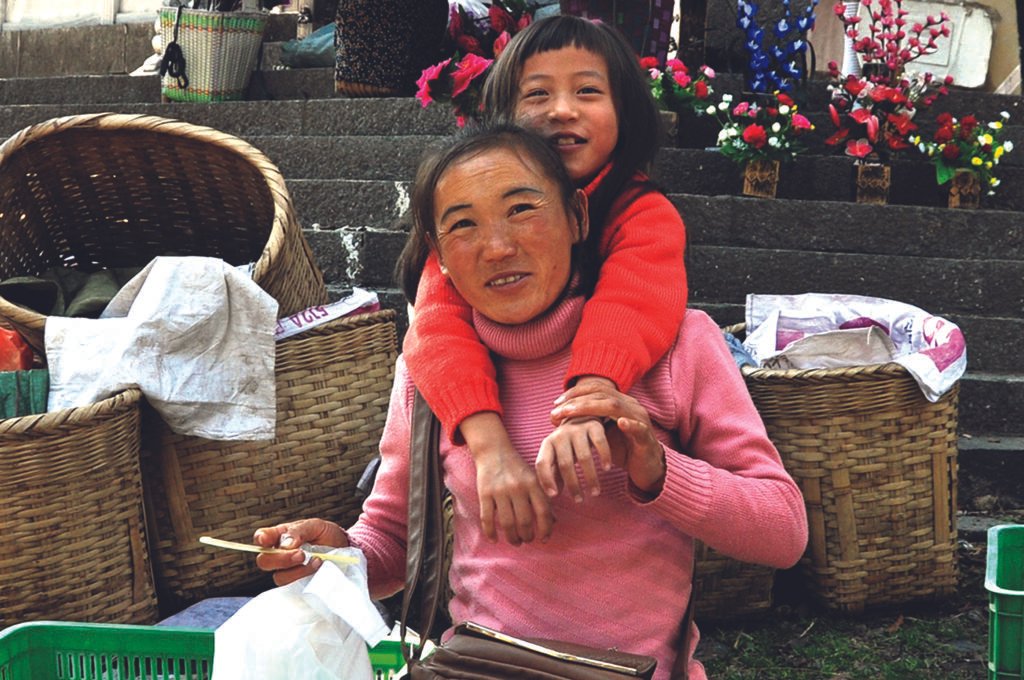
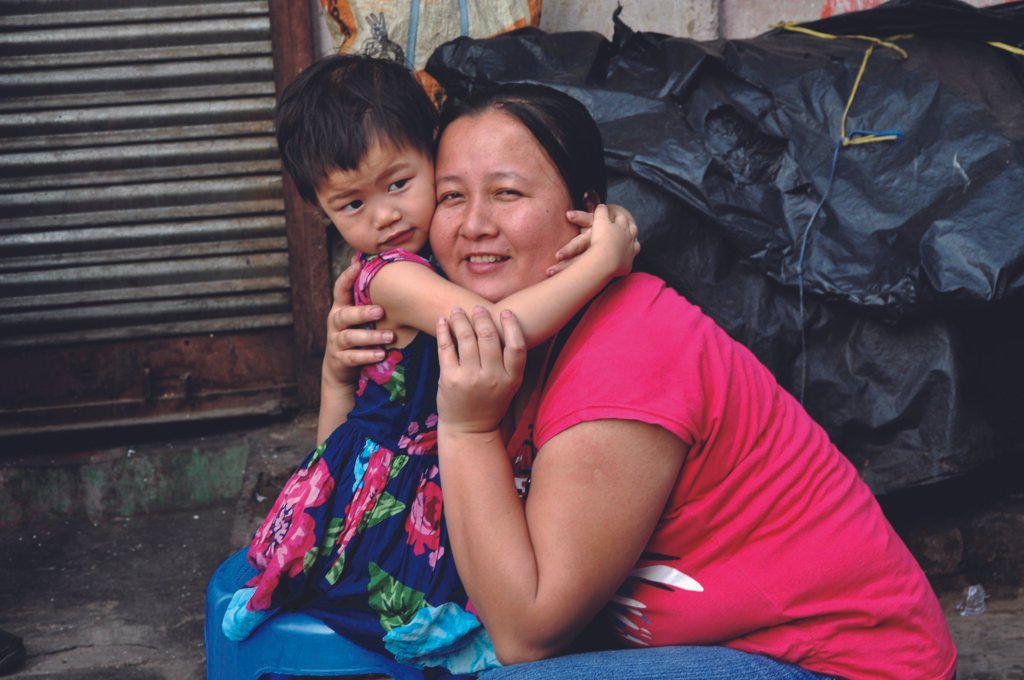
Held close, the world feels smaller. In Kunming and Kolkata, affection travels quietly through the street. Left: Kunming. Right: Kolkata.
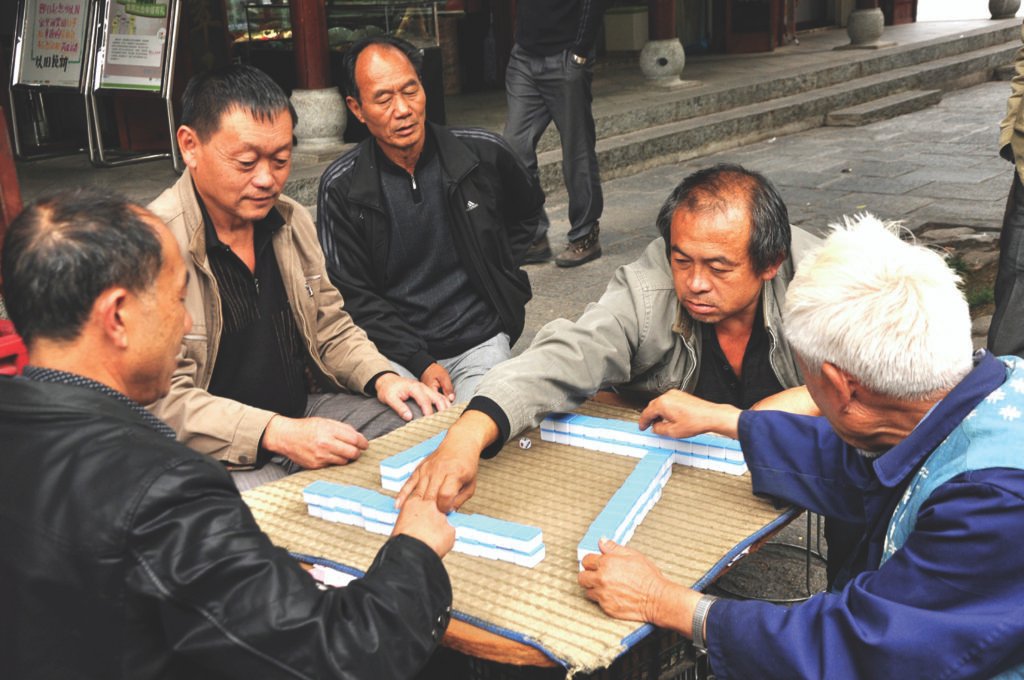
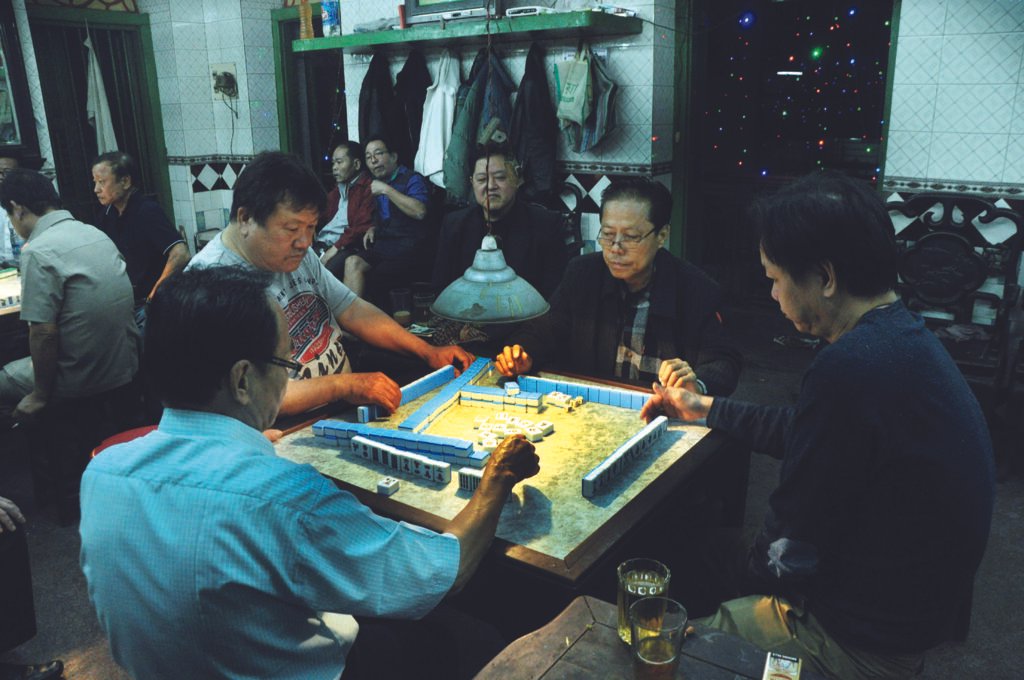
Distance alters the setting, not the ritual. In Kunming’s open-air and Kolkata’s Chinatown clubs, mahjong keeps memory in play. Left: Kunming. Right: Kolkata.