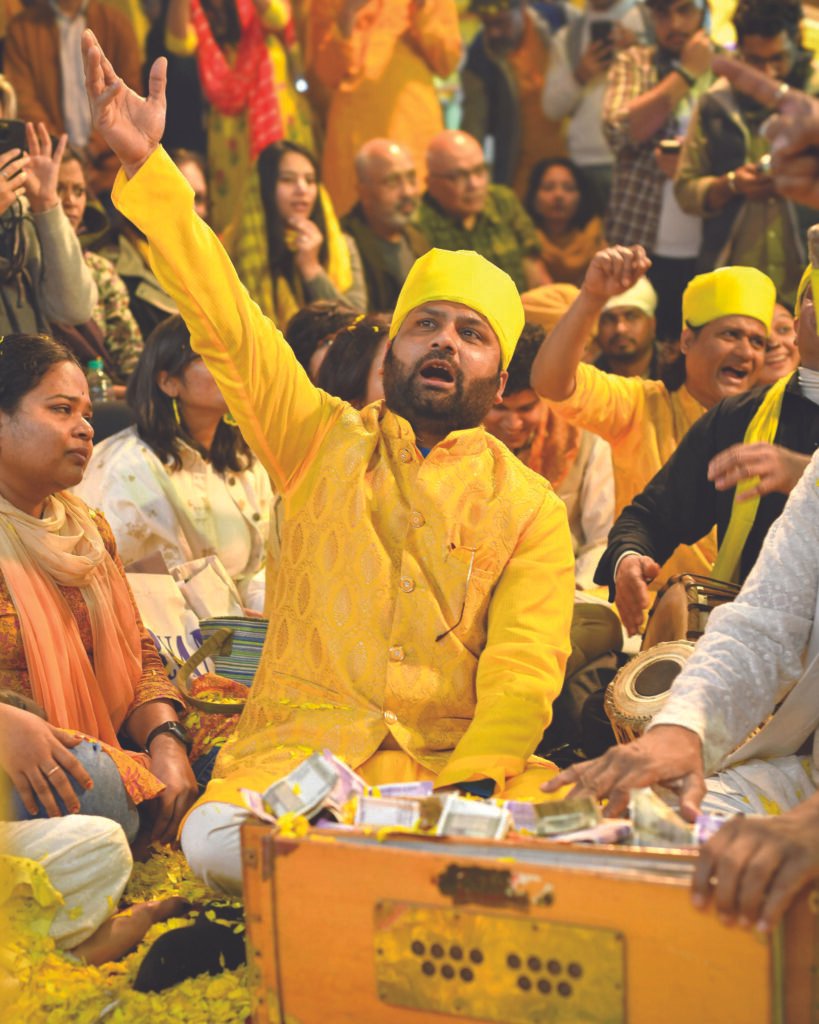
Nearly two decades after it was grounded, Basant has returned to Lahore’s skies. Kites once again slice through winter haze as the city reclaims a festival long suspended between nostalgia, politics and prohibition. More than a celebration of spring, Basant embodies a shared Punjabi inheritance—one that outlived Partition, ideology and the tightening grip of the modern state.
This February, Lahoris were looking up not to find a sliver of golden sunshine hiding behind the smoggy grey, but to admire the choreographed criss-cross of kites dancing across the sky. Against the comforting rustle of paper in the shattering wind, the mustard-hued celebration of Basant tiptoed its way back into the cultural capital of Pakistan after a ban of nearly two decades. Once considered the heartbeat of Lahore, Basant was first curtailed and later banned in 2005, mainly due to the large number of injuries and even deaths caused by metallic-coated strings that had replaced the humble dor of the kites. Apart from this, celebratory firing associated with the festival had also caused a fair share of casualties.