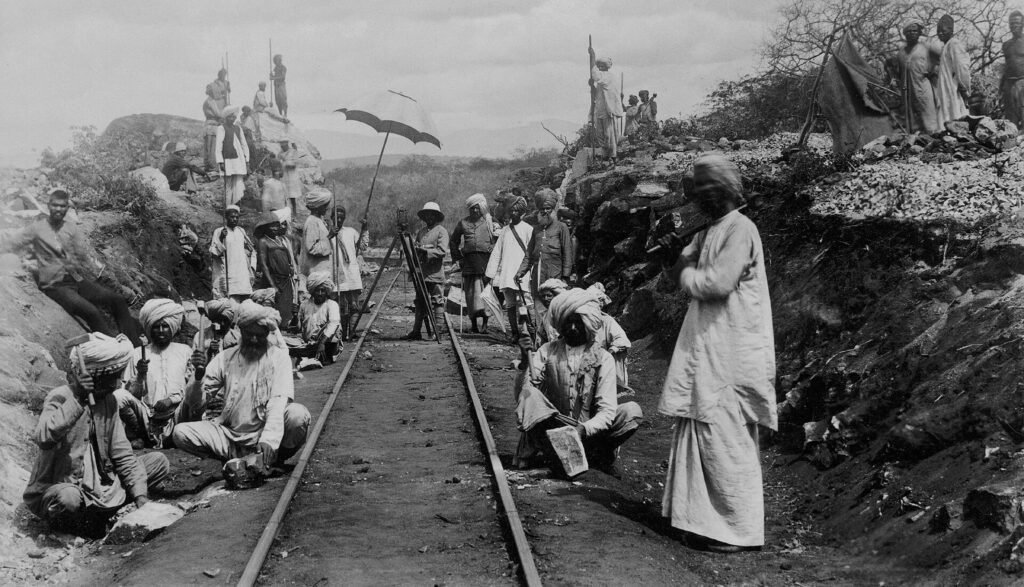
India–China relations are historically rooted in deep civilisational ties that long predate the modern nation-state. For centuries, the two societies were connected through trade networks across the Himalayas and the Indian Ocean, as well as through the transmission of Buddhism, scholarship, and cultural exchange. Pilgrims, monks, merchants, and travellers sustained a relationship that was intellectual and spiritual as much as economic.
However, this timeline focuses specifically on the relationship between the modern Republic of India, established in 1947, and the People’s Republic of China, established in 1949. It traces the political, diplomatic, and military milestones that have defined seventy-five years of engagement between the two post-colonial states.
Solidarity and Early Optimism (1950–1958)
1950: India became the first non-communist country to recognise the People’s Republic of China, signalling its support for Beijing’s international legitimacy.
1951: Following China’s consolidation of control over Tibet in 1950–51, India adjusted its policy, which was later reflected in the 1954 Panchsheel Agreement.
1954: India and China signed the Panchsheel Agreement, emphasising mutual respect for sovereignty, non-aggression, non-interference, equality, and peaceful coexistence. The slogan “Hindi-Chini Bhai-Bhai” gained prominence during this period of optimism.
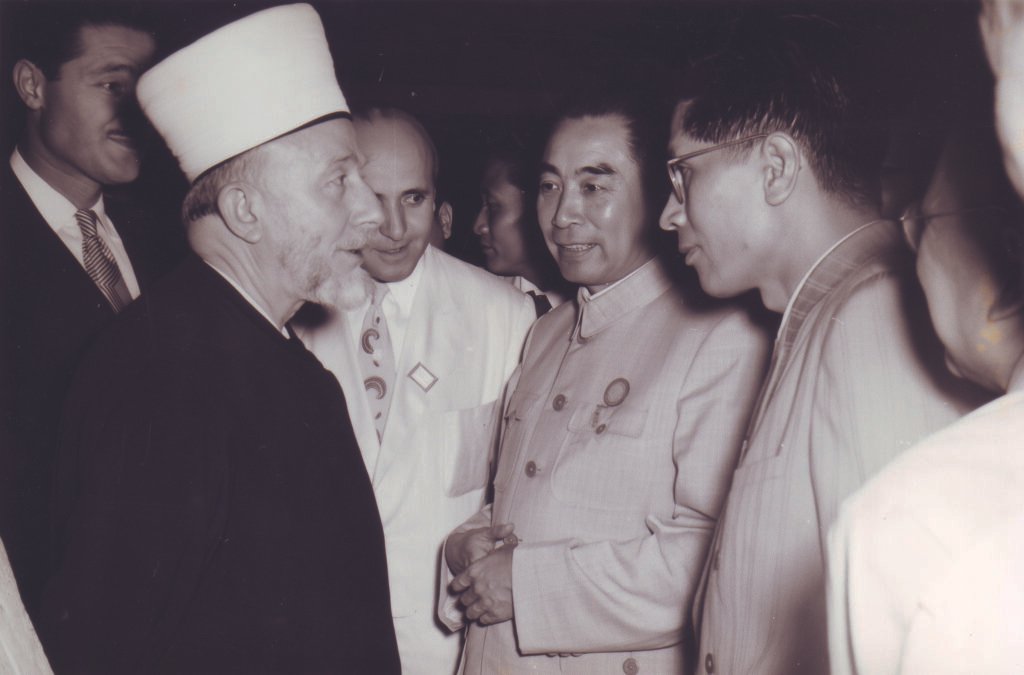
1955: At the Bandung Conference, Indian Prime Minister Jawaharlal Nehru and Chinese Premier Zhou Enlai emerged as prominent leaders of the decolonised Afro-Asian world.
Breakdown and Border Conflict (1959–1976)
1959: Following unrest in Tibet, the 14th Dalai Lama fled to India and was granted asylum. China viewed the decision as interference in its internal affairs, deepening mistrust between the two countries.
1960: Chinese Premier Zhou Enlai visited India to negotiate the boundary dispute, but the talks failed to resolve territorial differences.
1962: China launched coordinated offensives on 20 October in Aksai Chin (western sector) and the eastern sector (then NEFA, now Arunachal Pradesh). After roughly a month of intense fighting, Beijing declared a unilateral ceasefire on 21 November 1962. Chinese forces withdrew in the eastern sector to positions north of the McMahon Line but retained control over Aksai Chin in the western sector. The post-war positions laid the foundation for what later came to be known as the Line of Actual Control (LAC).
1967: Violent clashes at Nathu La and Cho La in Sikkim resulted in significant casualties. Indian forces repelled Chinese positions, establishing a tense but stable status quo in that sector.
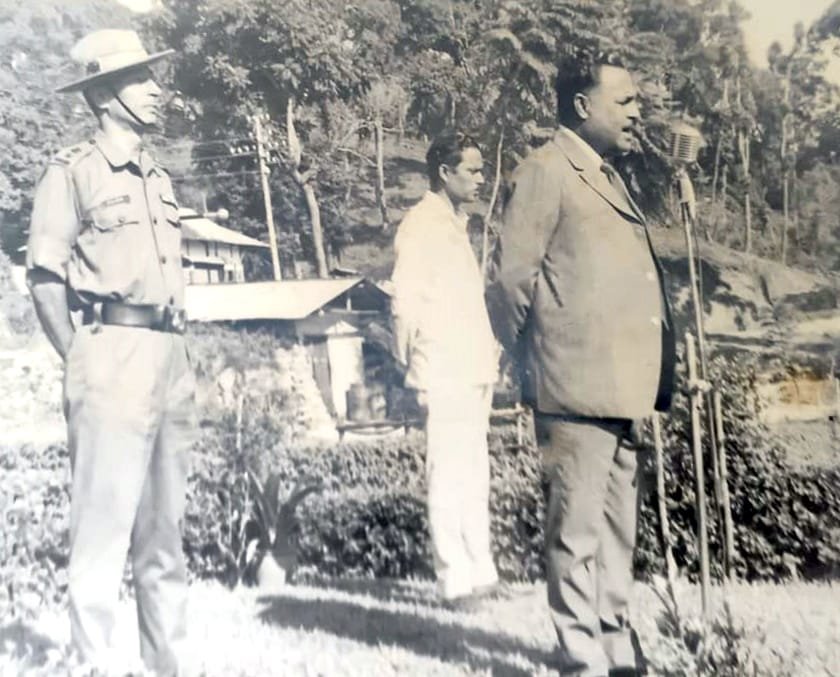
1975: An Assam Rifles patrol was ambushed near Tulung La in Arunachal Pradesh, resulting in the deaths of four Indian personnel—the last recorded border fatalities until 2020.
1976: India and China restored ambassador-level diplomatic relations after a 14-year freeze, marking a formal step toward normalisation.
Normalisation and Confidence-Building (1988–2008)
1988: Prime Minister Rajiv Gandhi visited Beijing, widely regarded as the turning point in the normalisation process. Both sides agreed to pursue a peaceful resolution of the boundary dispute while expanding trade and cultural ties.
1991: Chinese Premier Li Peng visited India — the first high-level Chinese visit after decades of post-war diplomatic stagnation.
1993: During Indian Prime Minister P. V. Narasimha Rao’s visit to China, the Agreement on the Maintenance of Peace and Tranquillity along the Line of Actual Control was signed, creating the first formal framework to stabilise the border pending a final settlement.
1996: Chinese President Jiang Zemin paid a state visit to India, during which both sides signed the Agreement on Confidence-Building Measures in the Military Field along the LAC.
1998: Following Pokran-II nuclear tests, then Defence Minister George Fernandes famously described China as “enemy number one”, leading to a brief but sharp freeze in relations.
2002: Chinese Premier Zhu Rongji visited India, with economic cooperation high on the agenda.
2003: Indian Prime Minister Atal Bihari Vajpayee visited China, during which the two sides established the Special Representatives mechanism for boundary negotiations.
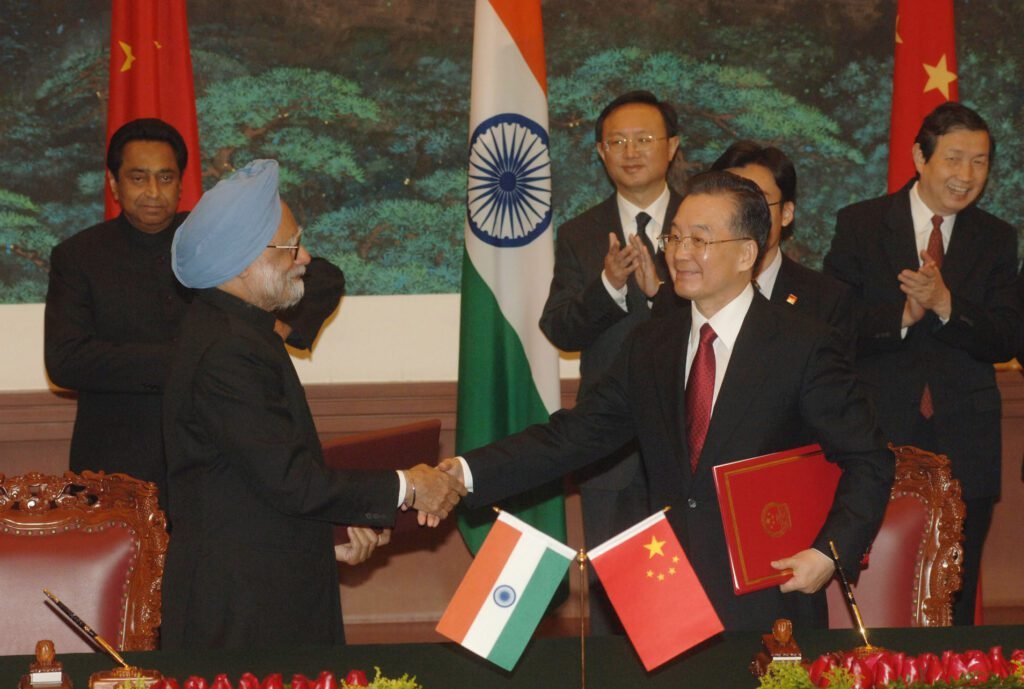
2005: Prime Minister Manmohan Singh and Premier Wen Jiabao announced a “Strategic and Cooperative Partnership for Peace and Prosperity” and signed the Agreement on Political Parameters and Guiding Principles for boundary negotiations.
2006: Chinese President Hu Jintao paid a state visit to India.
2008: Prime Minister Manmohan Singh paid an official visit to China, during which both sides issued a “Shared Vision for the 21st Century.”
Emerging Frictions and Strategic Competition (2010–2019)
2010: China issued a stapled visa to Lt Gen BS Jaswal, Northern Army Commander, for a visit to Beijing, challenging India’s sovereignty over Jammu and Kashmir. India strongly protested, viewing this as a challenge to its territorial integrity, leading to the suspension of bilateral military exchanges.
2013: The Chinese People’s Liberation Army (PLA) crossed nearly 19 km into Indian territory in the Dep-sang Valley(Ladakh sector) and established a tented camp. After three weeks of intense diplomatic negotiations, both sides agreed to withdraw to their pre-April positions.
2013: Chinese Premier Li Keqiang visited India, his first overseas trip after assuming office.
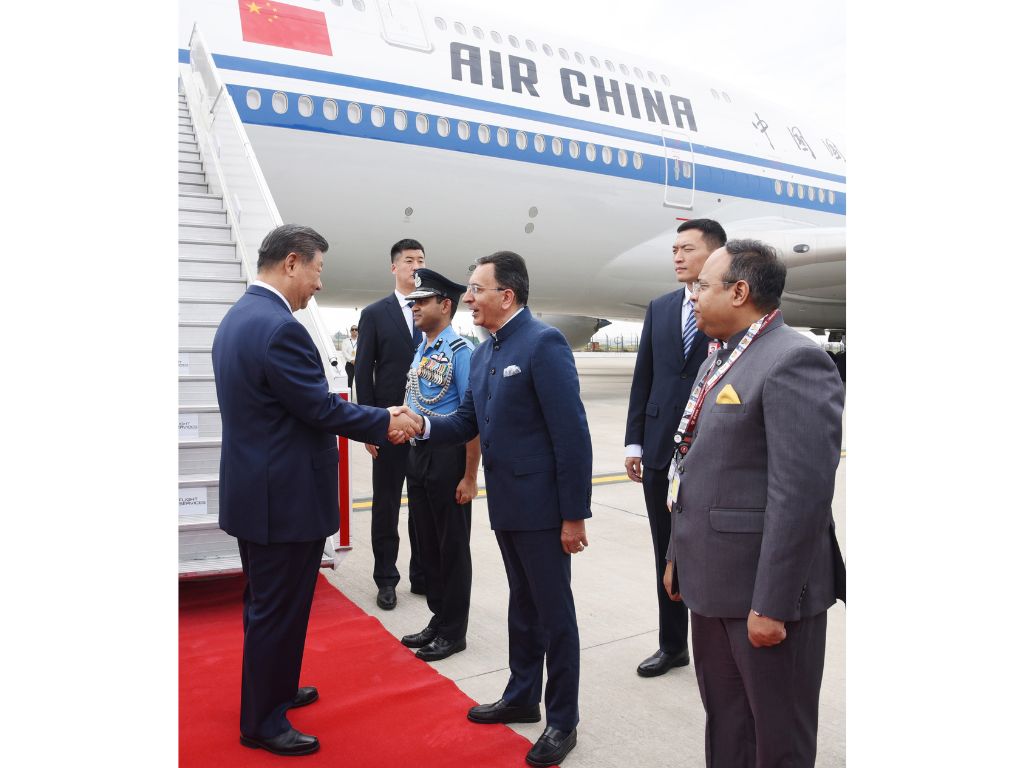
2014: Chinese President Xi Jinping conducted a state visit to India, even as fresh border tensions surfaced during the visit.
2017: Indian and Chinese forces engaged in a 73-day standoff at Doklam near the India–Bhutan–China tri-junction. Disengagement was reached in August 2017.
2018: An informal summit between Xi Jinping and Prime Minister Narendra Modi was held in Wuhan to stabilise relations after Doklam.
2019: A second informal summit between Narendra Modi and Xi Jinping was held in Mamallapuram (Chennai), but structural tensions remained unresolved.
Structural Breakdown and Partial Stabilisation (2020–2025)
2020: Troops clashed in the Galwan Valley in eastern Ladakh, resulting in fatalities on both sides—the first since 1975. The incident marked a structural rupture in relations. India imposed economic restrictions, including banning several Chinese apps, while the COVID-19 pandemic disrupted exchanges.
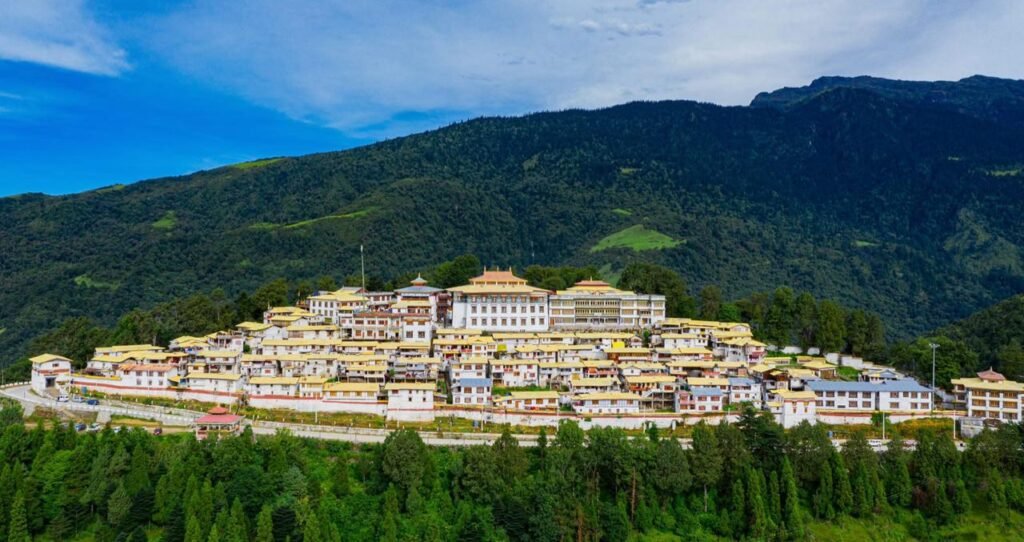
2022: On December 9, 2022, Indian and Chinese troops clashed near Tawang, Arunachal Pradesh, when Chinese PLA soldiers attempted to cross the Line of Actual Control (LAC) and alter the status quo. Indian troops firmly countered the incursion, forcing the PLA to retreat with minor injuries on both sides and no fatalities.
2023: At the G20 Summit hosted by India in New Delhi, China was represented by its Premier Li Qiang rather than President Xi Jinping, reflecting continued strain in ties.
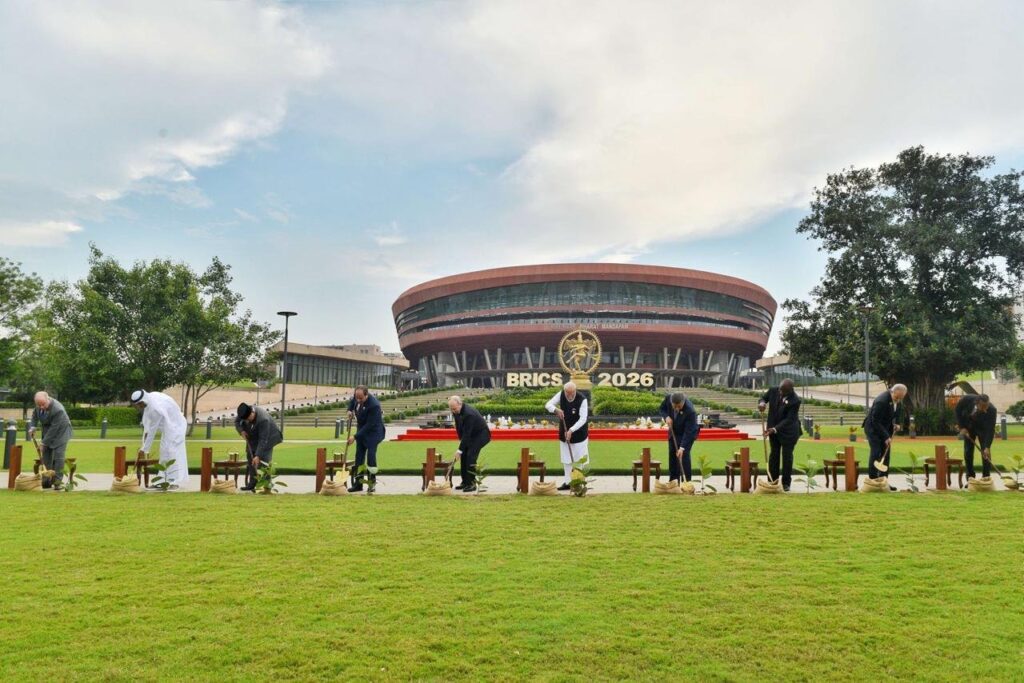
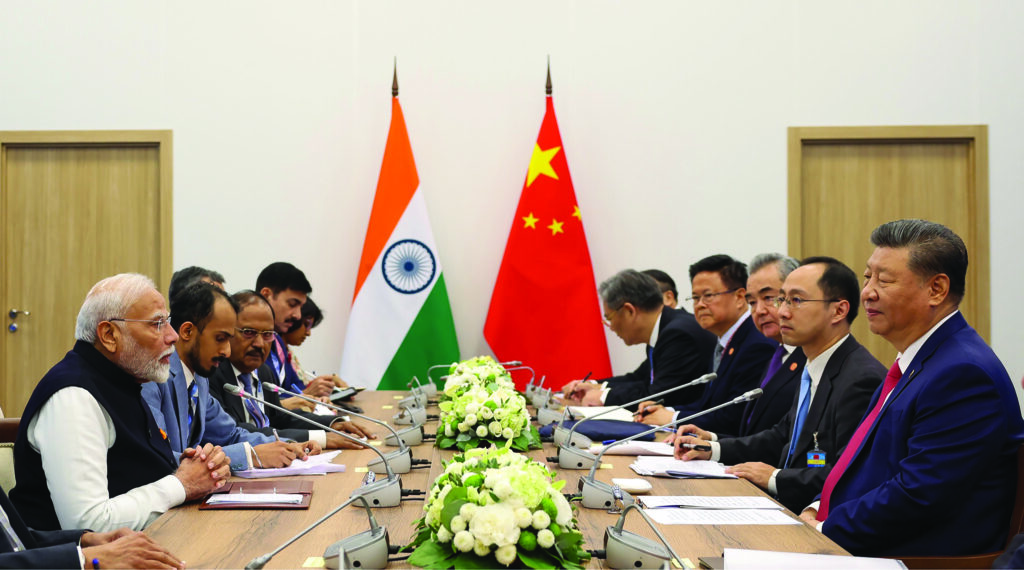
2024: At the BRICS Summit, both sides agreed on revised patrolling arrangements along their disputed Himalayan border, indicating limited tactical stabilisation.
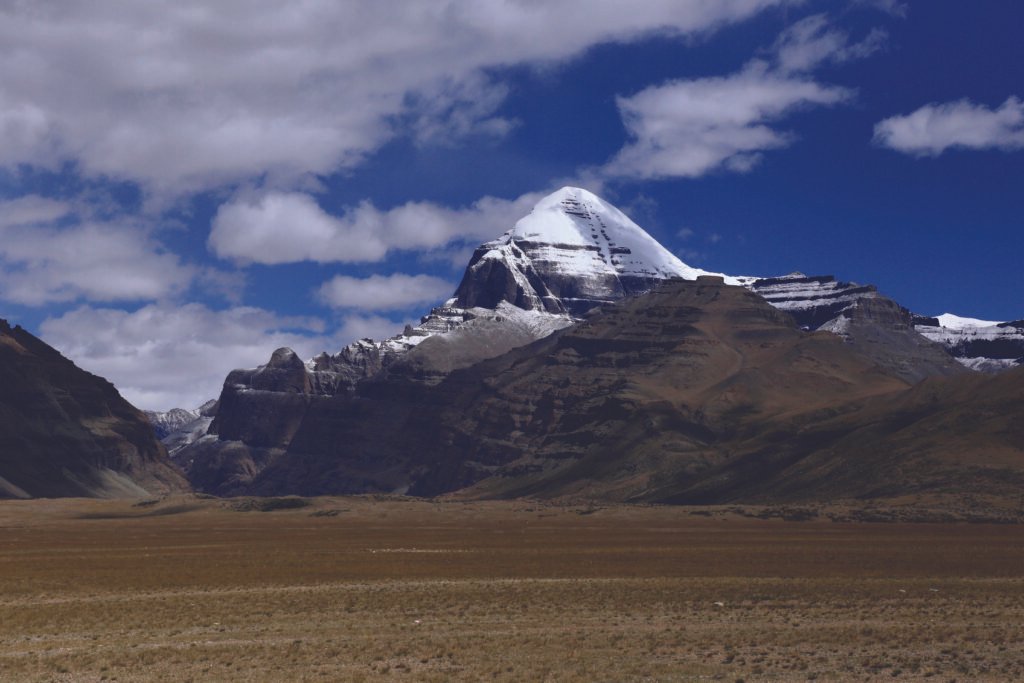
2025: India and China marked the 75th anniversary of diplomatic relations. Direct flights resumed, the Kailash Mansarovar Yatra restarted, and high-level ministerial visits resumed as part of cautious efforts to stabilise relations.
2025: Despite political friction, bilateral trade hit a record $155.6 billion in 2025. This “trade paradox”—record commerce despite military standoffs—has become the defining feature of the contemporary India-China relationship.
Seventy-five years after diplomatic recognition, India–China relations remain defined by an uneasy coexistence of engagement and competition. Periods of stabilisation have repeatedly been interrupted by crises, revealing the structural fragility of the relationship. As both nations expand their global roles, how they manage their boundary dispute and broader strategic rivalry will significantly shape the future balance of power in Asia.



1-1024x768.jpg)