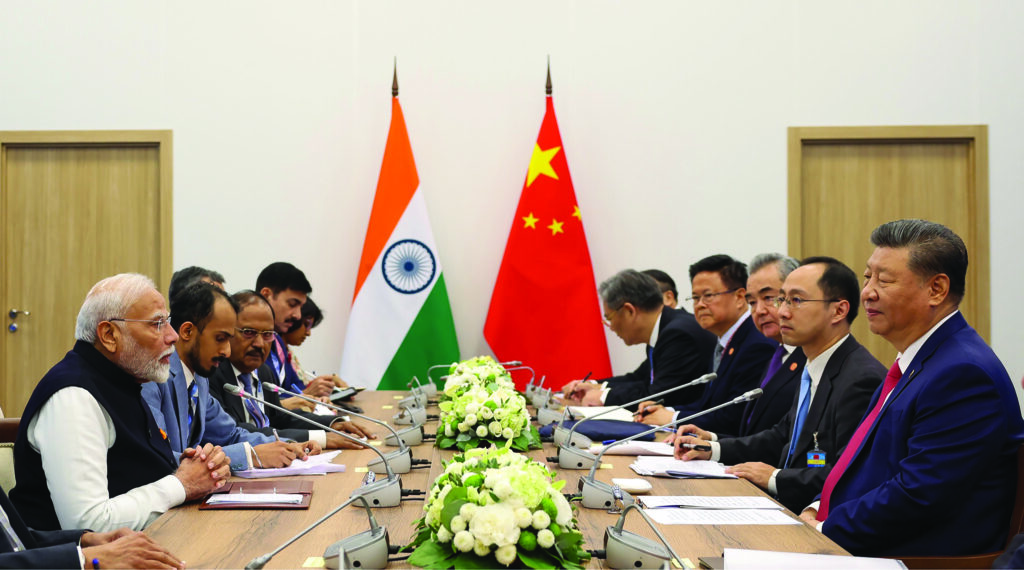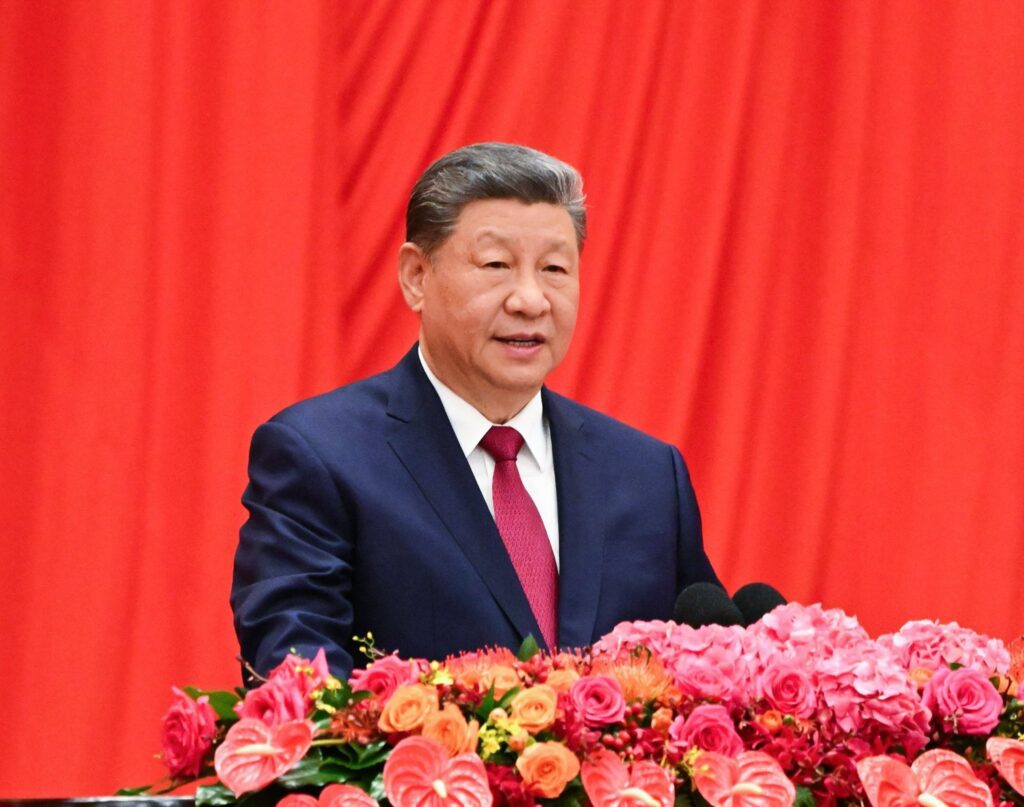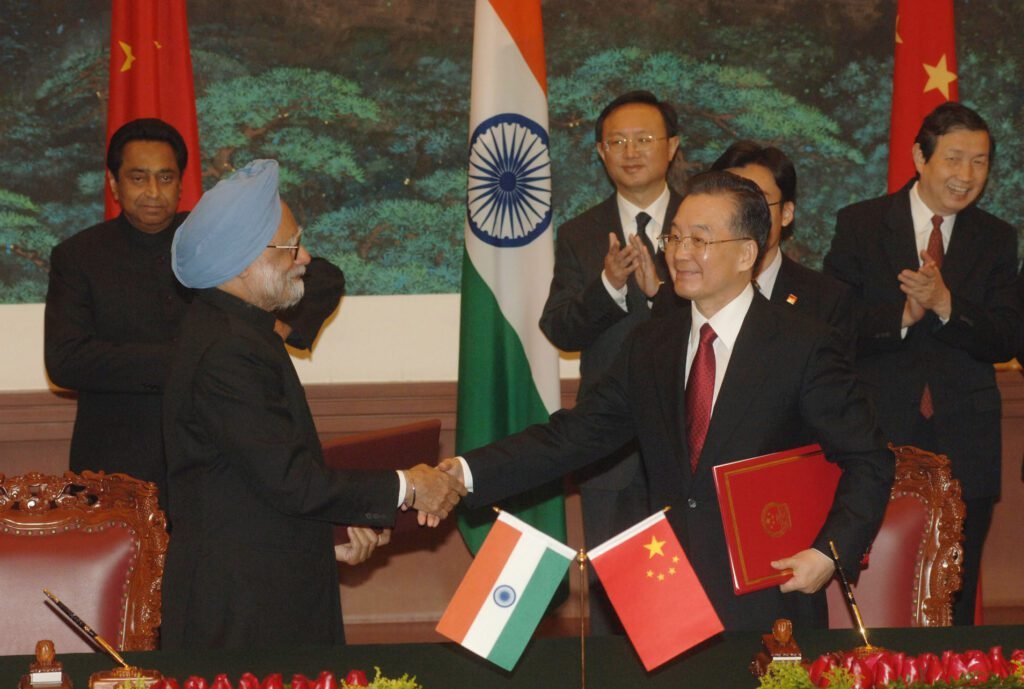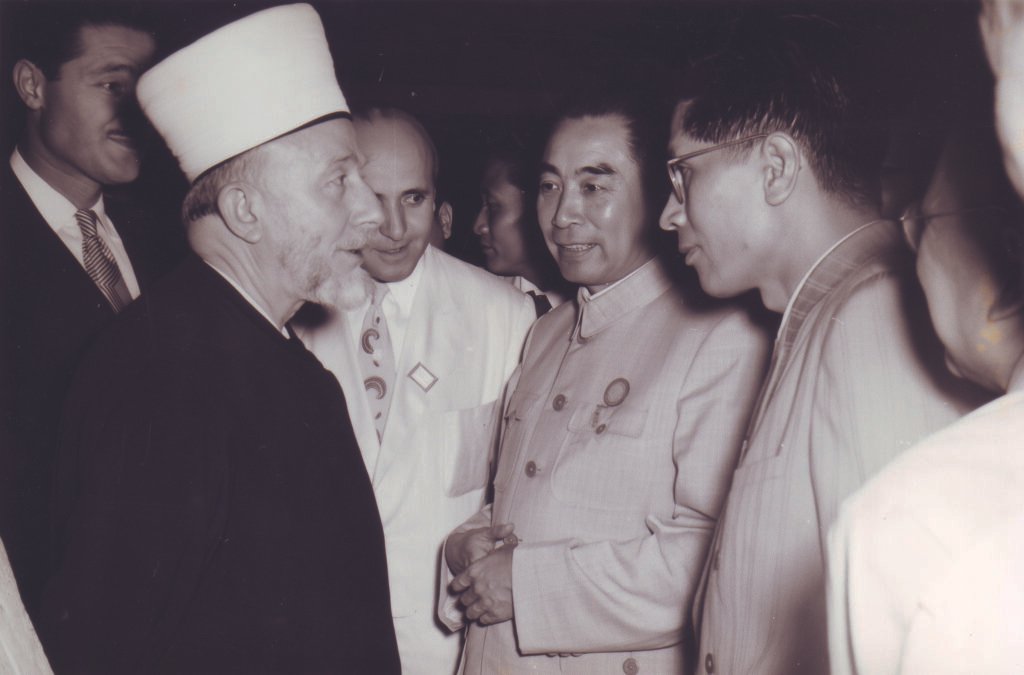
The Bandung Conference was more than a gathering of newly independent states; it was a Cold War crossroads. For the People’s Republic of China, it offered a rare opportunity to step out of the Soviet shadow and engage the Afro-Asian world on its own terms. Zhou Enlai seized the moment, turning diplomatic vulnerability into a strategic advantage.
The Bandung Conference of 1955 marked the People’s Republic of China’s (PRC) introduction to the Third World.
In the early post-revolutionary years, the communist regime in China largely disregarded broader foreign relations and followed the Soviet line faithfully, focusing instead on consolidating communism at home. This attitude was conveyed best in Mao’s aphorism that China would ‘invite guests only after the house is cleaned.’ Meanwhile, the wars across its borders in Korea and Indochina left little scope for manoeuvring toward an autonomous diplomatic space. By mid-1954, with both the wars over and Stalin’s death, Mao’s China had greater leeway to chart a more independent foreign policy. The PRC could now attempt to cultivate a broader foreign policy profile beyond the communist bloc.