Bangladesh’s Political Reset
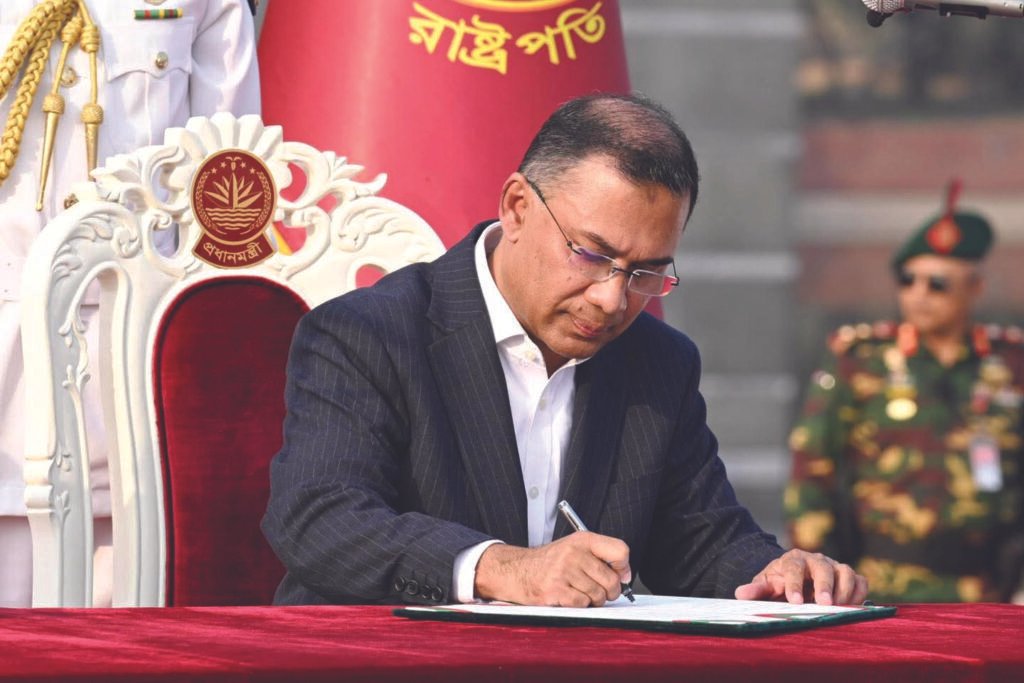
The Development: On 17 February 2026, Tarique Rahman was sworn in as Prime Minister of Bangladesh after the 12 February 2026 general election, in which the Bangladesh Nationalist Party (BNP) secured a landslide majority in the 13th Jatiya Sangsad, marking the end of an 18-month interim administration led by Muhammad Yunus. President Mohammed Shahabuddin administered the oath at the South Plaza of the Jatiya Sangsad Bhaban in Dhaka. Rahman’s swearing-in formally ends the caretaker period following the student-led uprising that removed the previous government.
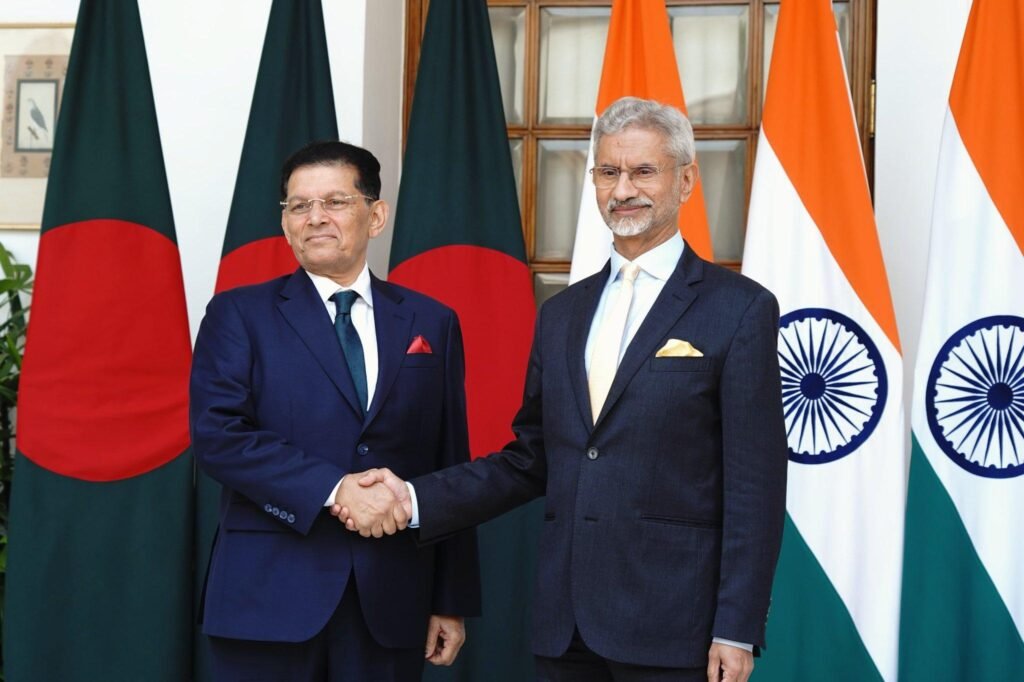
The Take: Rahman’s ascension represents a major shift in Bangladeshi politics. His government has already begun reshaping state institutions, including a significant overhaul of senior military leadership. How his administration manages political polarisation, economic recovery, and relations with key partners like India and China will influence domestic stability and South Asian geopolitics.
Africa’s Water Vision 2063
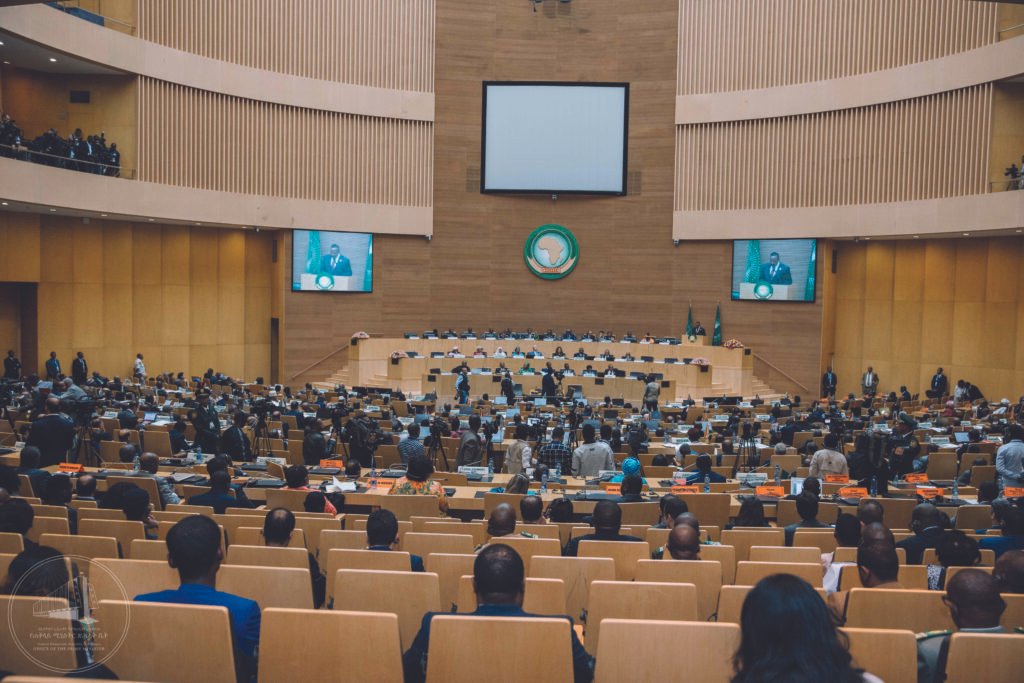
The Development: At the 39th Ordinary Session of the Assembly of the African Union held in Addis Ababa on 14–15 February 2026, leaders adopted the 2026 Theme of the Year: “Assuring Sustainable Water Availability and Safe Sanitation Systems to Achieve the Goals of Agenda 2063.” On 15 February, they endorsed and launched the Africa Water Vision 2063 & Policy, elevating water and sanitation from a sectoral concern to a strategic continental agenda linked to economic transformation, climate resilience, regional integration, and sustainable development under the AU’s long-term blueprint, Agenda 2063.
The Take: By placing water and sanitation at the apex of its 2026 agenda, the African Union reframes them as strategic infrastructure for economic resilience, public health, and regional integration rather than isolated development goals. This aligns with continental priorities for climate adaptation, urbanisation, agriculture, and industrial competitiveness.
BRICS After Expansion
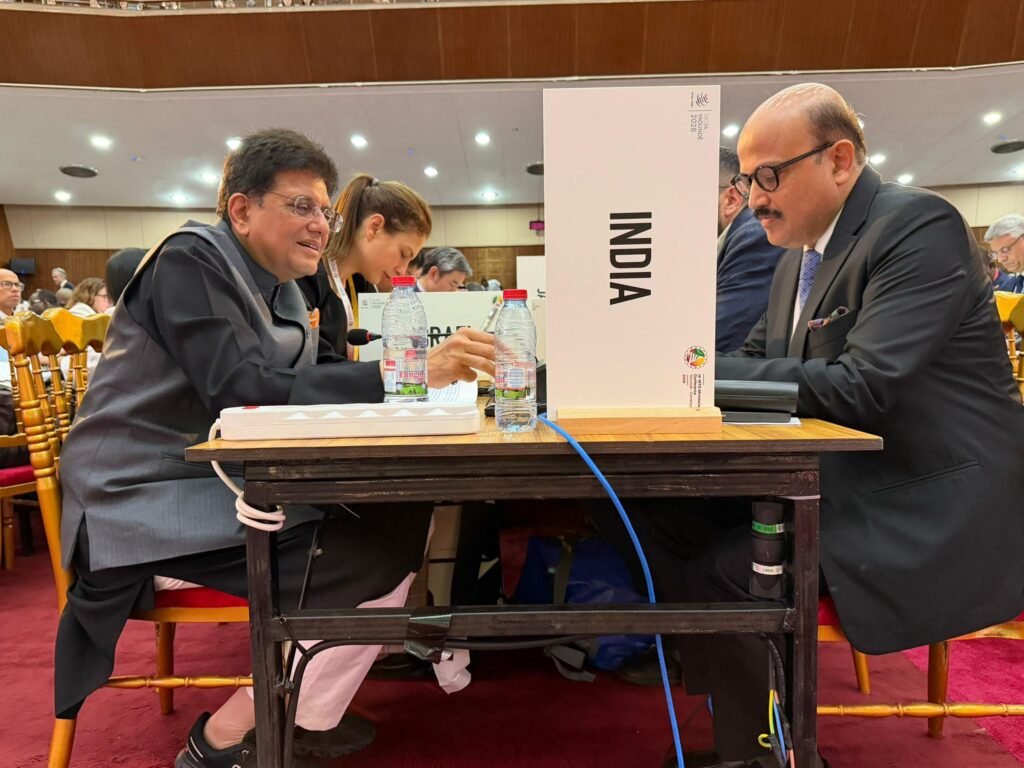
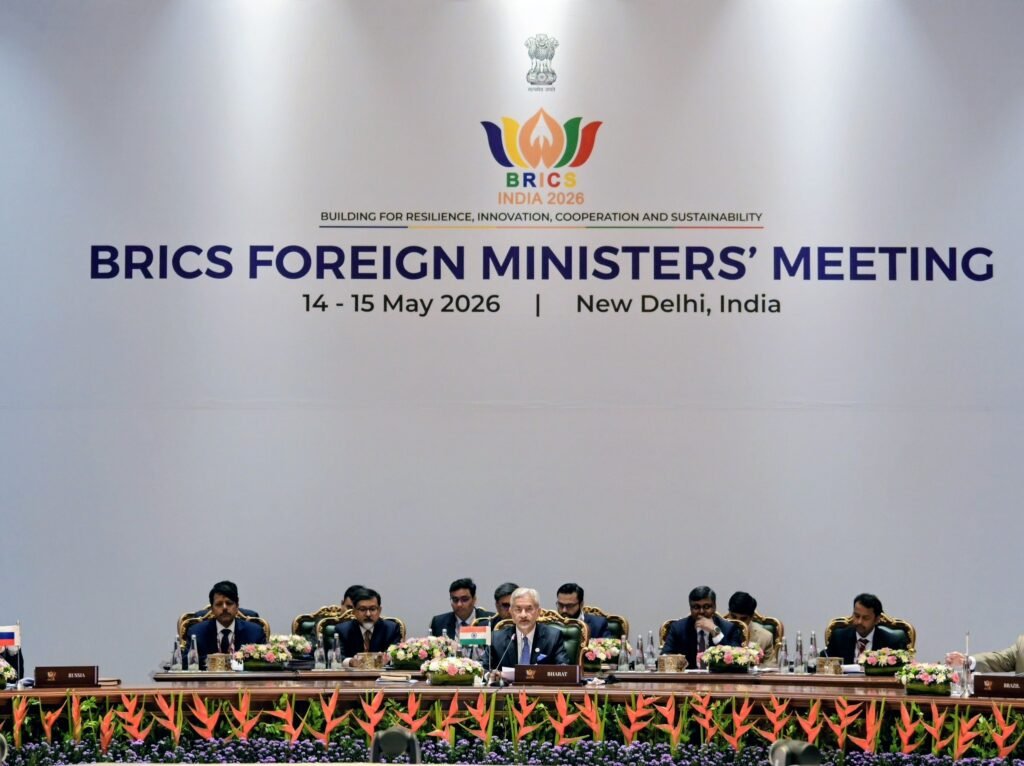
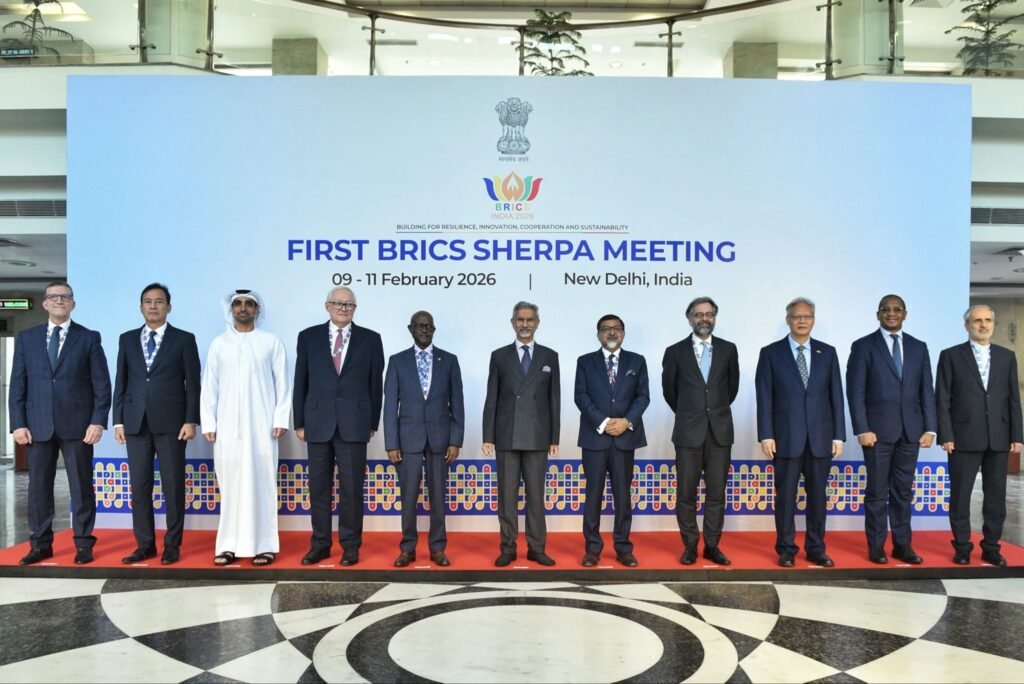
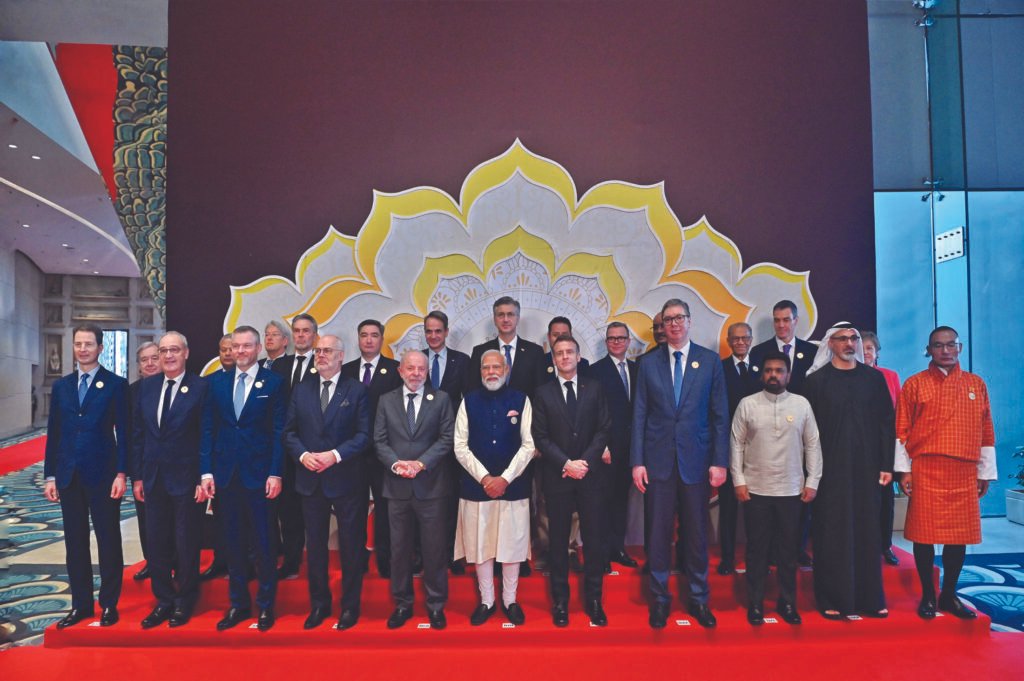
The Development: The first 2026 meeting of BRICS Sherpas and Sous-Sherpas was held on February 9–10 in New Delhi under the theme “Building for Resilience, Innovation, Cooperation and Sustainability.” With the expanded membership now functioning as an eleven-country grouping, discussions focused on practical cooperation in public health, disaster risk reduction, and financial coordination. Belarus participated under an outreach or partner engagement format, reflecting the bloc’s broader diplomatic engagement beyond formal membership.
The Take: BRICS is moving from expansion to institutional practice. Flexible partnership formats allow the group to widen cooperation networks without immediate enlargement while advancing coordination in development finance and local-currency transactions. This strengthens its role as a coordination platform within the wider Global South rather than a direct replacement for existing Western-led institutions.
Securing the Indian Ocean Rim
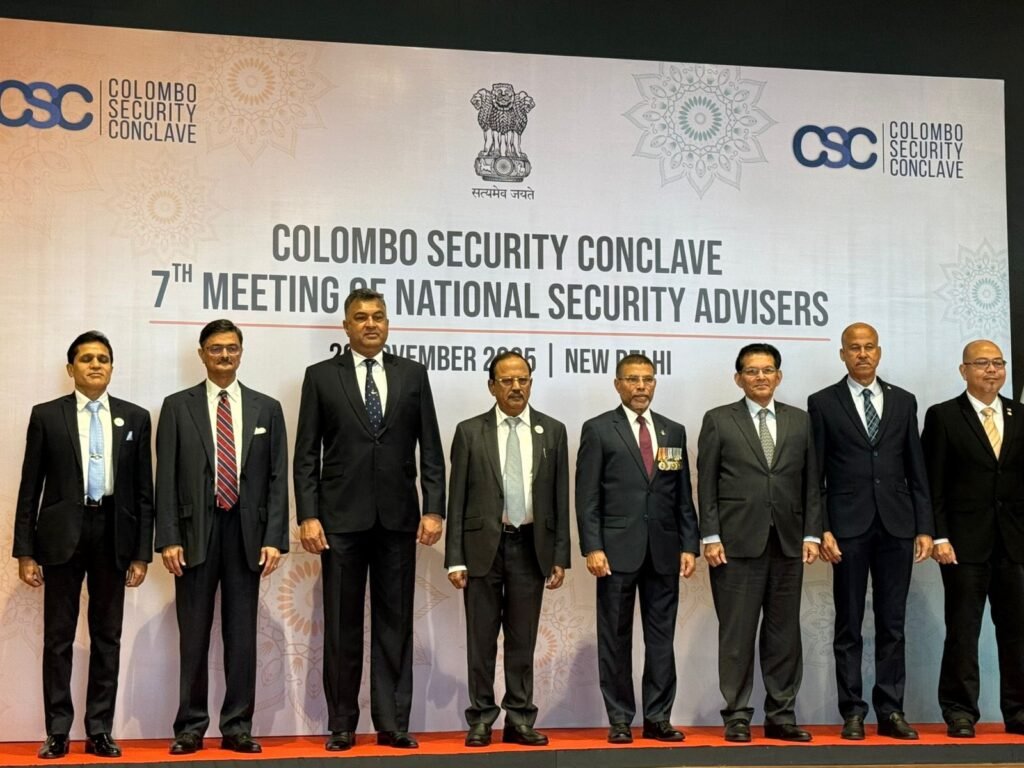
The Development: Following Bangladesh’s formal induction as a full member in June 2024 and Seychelles’ elevation to full membership in February 2026, the Colombo Security Conclave (CSC) now comprises India, Sri Lanka, Maldives, Mauritius, Bangladesh, and Seychelles. Through 2025–2026, cooperation has centred on maritime domain awareness, coordinated patrols, search and rescue, counter-trafficking, and protection of coastal cyber infrastructure. Malaysia continues to participate as an observer.
The Take: The CSC is evolving from a consultative forum into a practical Indian Ocean security coordination mechanism. By connecting South Asian and western Indian Ocean littorals through shared monitoring and response arrangements, it strengthens regional capacity to manage sea-lane security and non-traditional threats without primary reliance on extra-regional naval powers. The forum matters because it enables Indian Ocean states to collectively address piracy, trafficking, terrorism, and sea-lane security through coordinated monitoring and response mechanisms in a region that carries a large share of global trade and energy flows.
The Sovereign AI Turn
The Development: Across recent international AI platforms—including the India AI Impact Summit 2026, discussions linked to the UN General Assembly’s Independent International Scientific Panel on AI established in August 2025, the ITU AI for Good Global Summit scheduled for 7 to 10 July 2026 in Geneva, and UNESCO’s post 2025 Ethics of AI processes—developing countries have consistently promoted responsible and inclusive AI governance. The emphasis is on sovereign AI, defined as greater national control over data, AI models, and computing capacity, alongside expanded access to affordable compute, standards participation, and domestic capability building.
The Take: The Global South is treating AI as development infrastructure applied to agriculture, health, and public services while seeking influence over global technical rules. This reduces the risk that emerging digital standards lock countries into permanent dependence on external platforms and proprietary ecosystems.
The UAE-Vietnam Digital Corridor
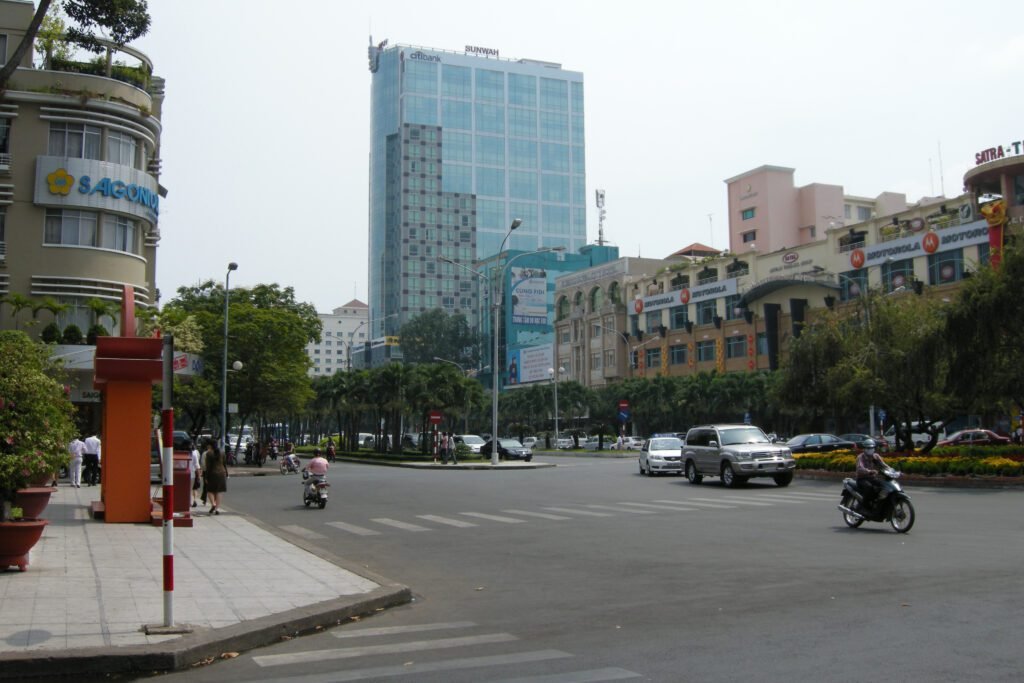
The Development: In February, the UAE technology group G42 signed an agreement with Vietnamese firms to deploy up to $1 billion in AI and cloud infrastructure, including large-scale data centres. The project is designed to support Vietnam’s digital transformation ambitions and build domestic computing capacity while strengthening data sovereignty. The partnership reflects expanding Gulf investment into Southeast Asia’s emerging technology markets.
The Take: The deal shows Gulf capital shifting from passive investment to exporting technological infrastructure. By supplying AI computing capacity, the UAE gains structural influence over how digital economies develop, giving mid-power states a way to shape technology ecosystems without dependence on traditional Western or Chinese hubs.
West Africa’s Institutional Split
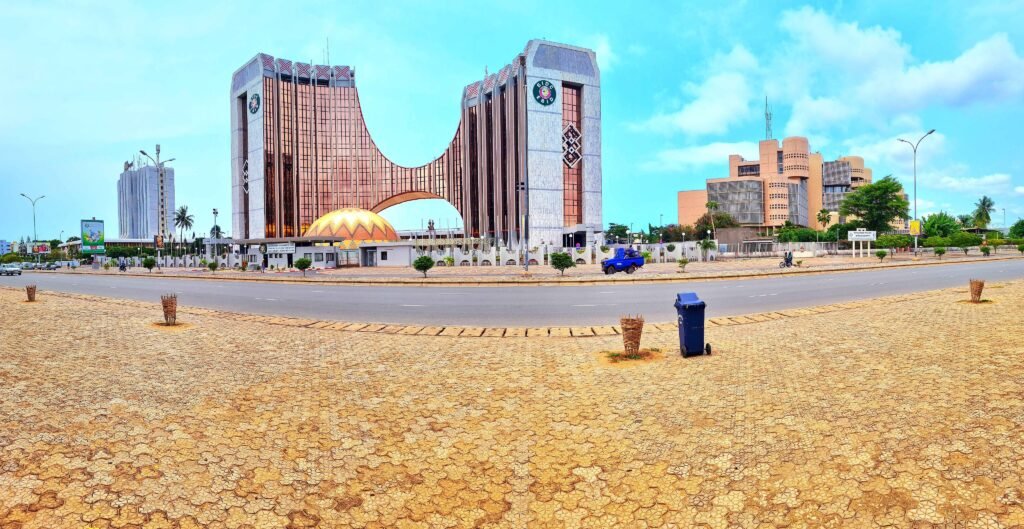
The Development: By February 2026, the Alliance of Sahel States (AES) — Mali, Niger, and Burkina Faso — has deepened its break with the Economic Community of West African States (ECOWAS) after formally leaving the bloc in 2025. The three governments are building parallel political and security structures while still operating within the CFA franc monetary framework. Although discussion of a future shared currency exists, officials have denied any imminent launch or timetable. The divide reflects widening disagreements over governance, sanctions, and external partnerships rather than a completed monetary separation.
The Take: West Africa is entering a phase of institutional fragmentation rather than a full economic rupture. The AES pursuit of strategic autonomy challenges Western-aligned regional structures but does not yet constitute financial decoupling. This matters because prolonged parallel institutions could gradually complicate trade and regulatory coordination across the region without creating an immediate economic bloc split.