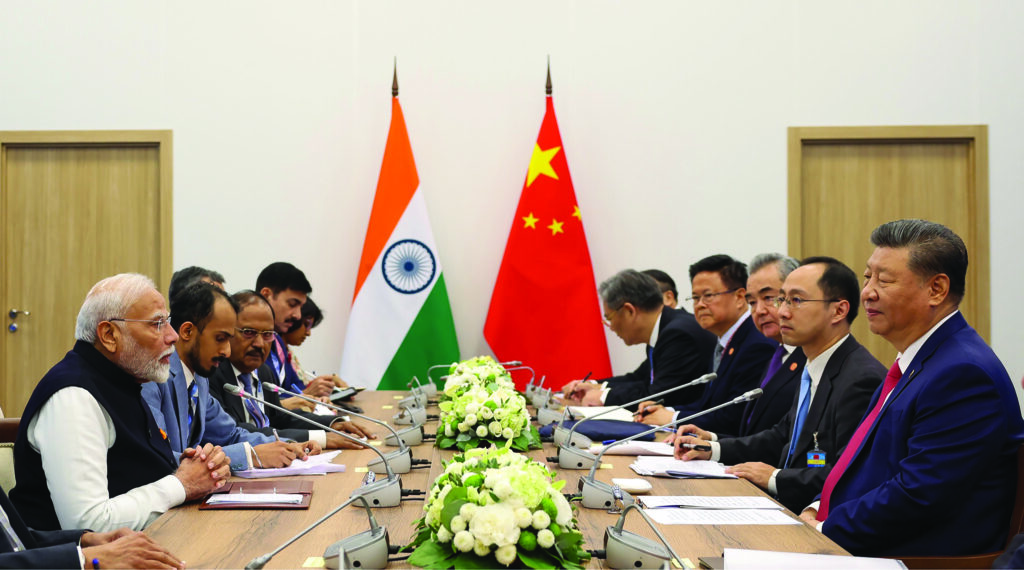
After the Galwan clash, the Indian government moved swiftly to restrict Chinese investments, scrutinise the operations of Chinese companies, and push for their Indianisation. The intent was clear: political signalling backed by regulatory resolve. But implementation revealed a harder truth—India’s economic dependence, coupled with structural weaknesses in its economy, constrains New Delhi’s ability to regulate and control Chinese firms. Can New Delhi meaningfully assert economic sovereignty while remaining deeply enmeshed in Chinese capital, supply chains, and expertise?
The transgressions by Chinese People’s Liberation Army troops in eastern Ladakh in the summer of 2020 that led to the loss of lives at Galwan Valley were a difficult phase for Chinese companies and businesses in India. With the downturn in India-China bilateral relations and continued trust deficit extending also to the economic arena, the Indian government promulgated a directive to Chinese companies to incorporate Indian nationals into their boardrooms between 2020–23. However, Chinese companies have been largely apathetic to this directive. India’s bureaucratic incapacities, combined with its economic dependence on resources from China, have constrained New Delhi’s effectiveness in imposing its will.