In a policy brief by the European Council on Foreign Relations, After the Rupture: Middle Powers and the Construction of a New Order, Anthony Dworkin, Rafael Loss, and Jana Puglierin discuss how the global political system is changing as the old international order weakens. The system created after the Second World War and consolidated after the Cold War was largely shaped by Western powers, particularly the United States. Today, however, that order is under increasing strain. The authors argue that the United States appears less willing to sustain its earlier role as the principal architect and guarantor of global governance, while countries such as China and Russia are promoting alternative visions of international cooperation and multipolarity.
The report uses several data-driven indicators presented through charts and maps to illustrate these shifts. These include: (1) a visual overview of BRICS+ membership and associated partners, showing the geographic spread of the grouping in the evolving international landscape; (2) a global map identifying the locations of meetings linked to transnational conservative networks such as CPAC, the National Conservatism Conference (NatCon), Foro Madrid, and the Political Network for Values (PNfV), which connect conservative, far-right, and right-wing populist actors across multiple regions; (3) a chart on net development assistance from OECD Development Assistance Committee (DAC) countries highlighting stagnation and projected declines in traditional Western aid flows; and (4) a regional overview diagram mapping conflict-mediation initiatives led by countries such as Qatar, Turkey, and the United States under the Trump administration.
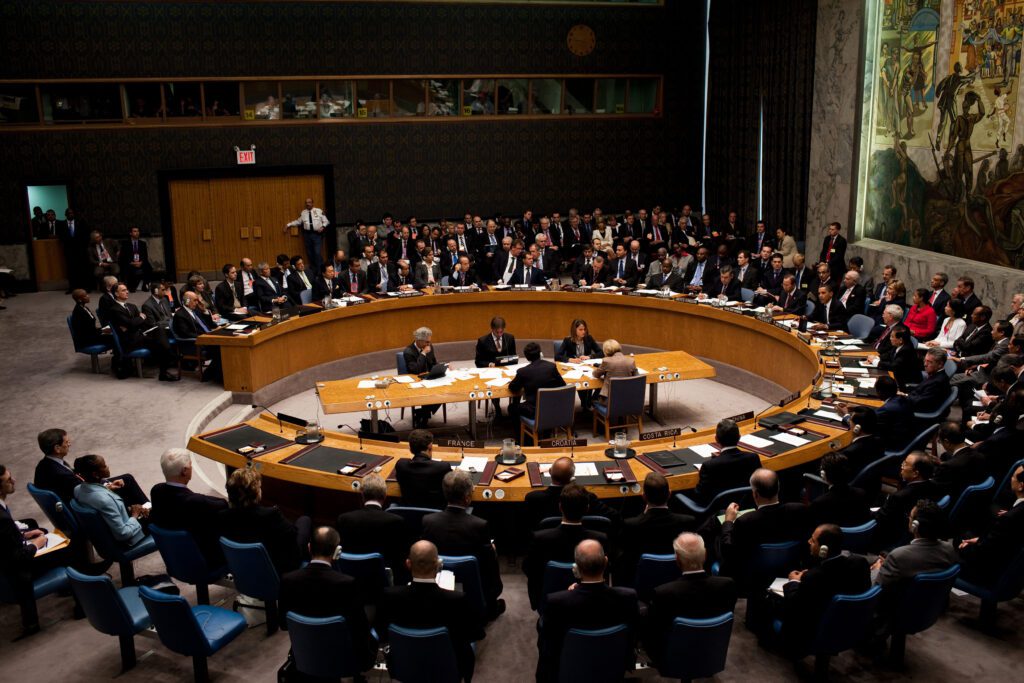
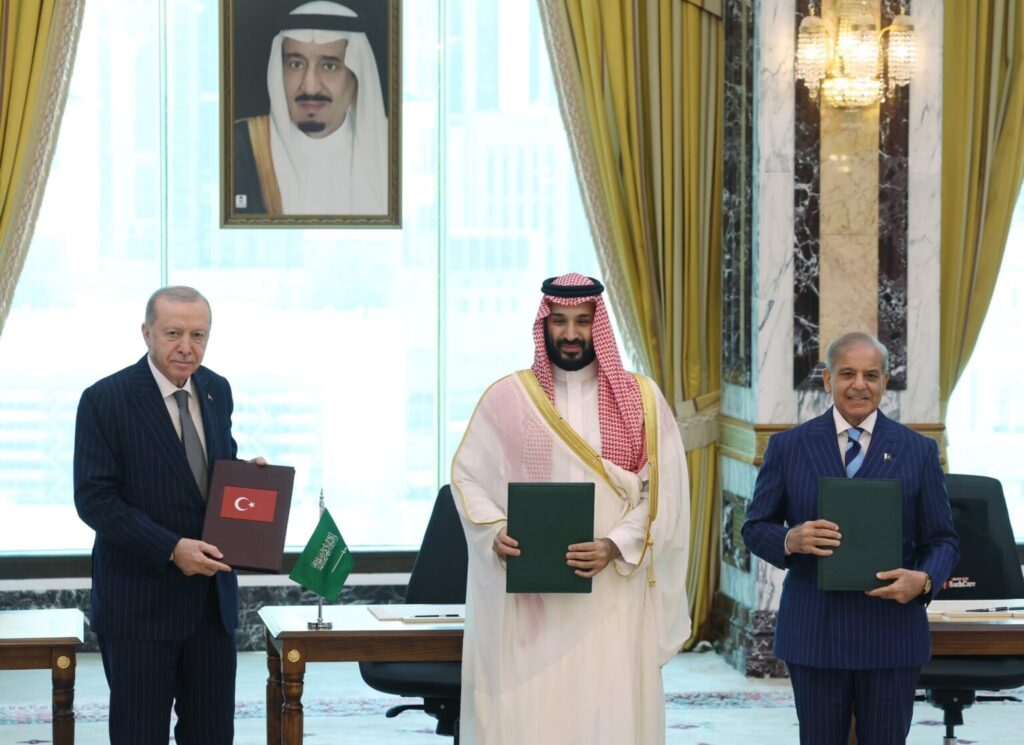
According to the brief, these developments have produced what the authors describe as a geopolitical “interregnum”, a period in which existing rules and institutions formally remain in place but no longer effectively structure global politics. Multilateral organisations such as the United Nations and the World Trade Organization are struggling to respond to contemporary geopolitical challenges. In this environment, rising and middle powers, including Brazil, India, Turkey, Indonesia, Saudi Arabia, and the United Arab Emirates, are gaining greater autonomy and influence. The brief argues that the weakening of hierarchical global leadership has expanded the strategic space available to these states, enabling them to exercise greater diplomatic and economic agency in shaping emerging patterns of cooperation.
A central analytical point of the report is that middle powers are becoming important “order-shapers” in a fragmented international system. Rather than simply aligning with competing great powers, many of these states pursue strategies of hedging and multi-alignment, maintaining relations with rival power centres while advancing their own interests through sector-specific initiatives. Their influence increasingly derives from strategic assets such as geography, infrastructure corridors, financial resources, and diplomatic networks.
The report identifies five principal strategies through which these states shape emerging global dynamics. First, some actors support efforts that could eventually challenge the existing hegemonic order, with China advancing initiatives through platforms such as BRICS and the Shanghai Cooperation Organisation. Second, countries are reconfiguring global connectivity networks through infrastructure corridors, ports, energy routes, and digital systems. Third, the report highlights the rise of sovereigntist and illiberal political networks that increasingly cooperate across borders. Fourth, developing countries are seeking greater control over development governance, climate finance, and health systems, often demanding more equitable decision-making structures. Finally, several middle powers are assuming greater roles in conflict mediation, relying on informal and pragmatic diplomacy to facilitate ceasefires or negotiations in complex regional conflicts.
Analytically, the report concludes that these initiatives remain fragmented, making it uncertain whether they will converge into a coherent new international order. Rather than producing a clearly structured multipolar system, the current trajectory suggests a landscape of overlapping coalitions, connectivity projects, and diplomatic arrangements shaped by the initiatives of middle powers. Nevertheless, the analysis highlights the growing influence of these states in shaping regional alignments, economic connectivity, and diplomatic processes. Their actions increasingly affect how rules, partnerships, and mechanisms of cooperation evolve within a more fluid and contested international system.