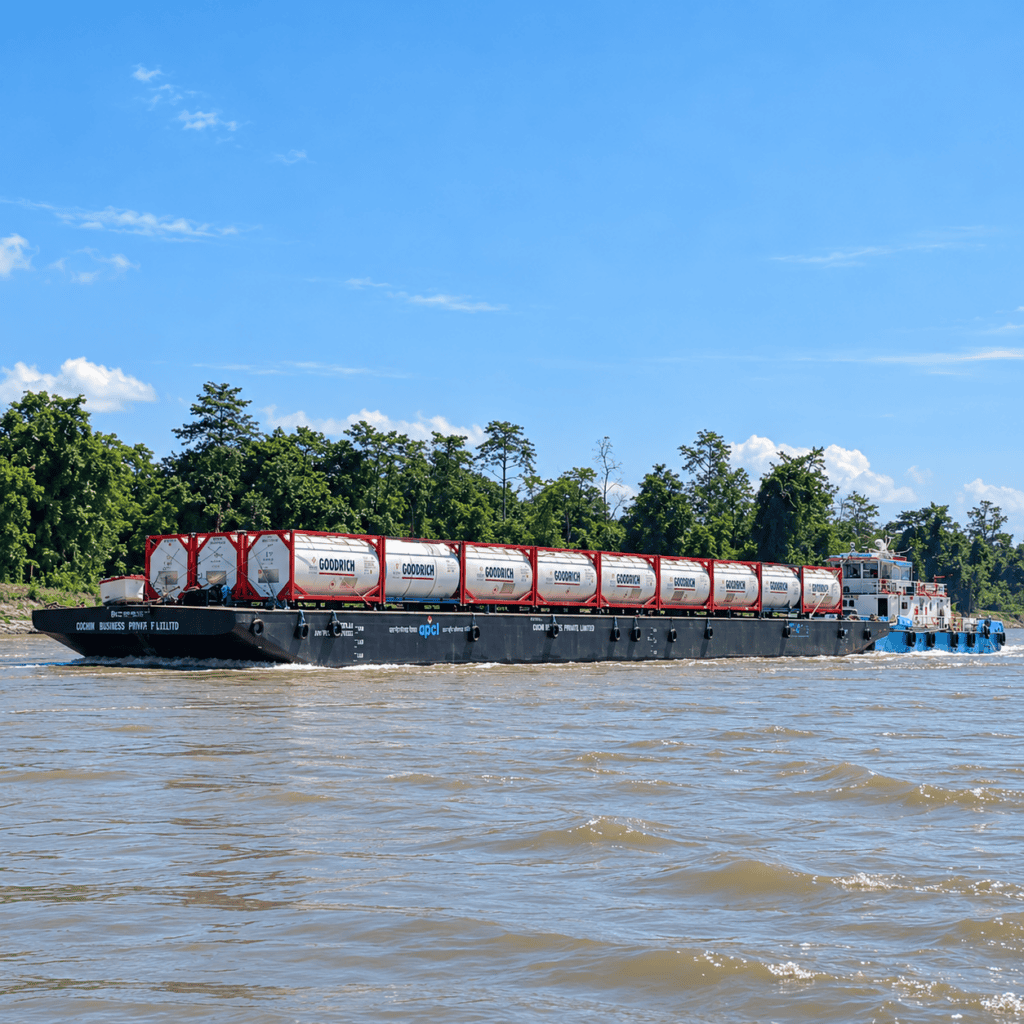
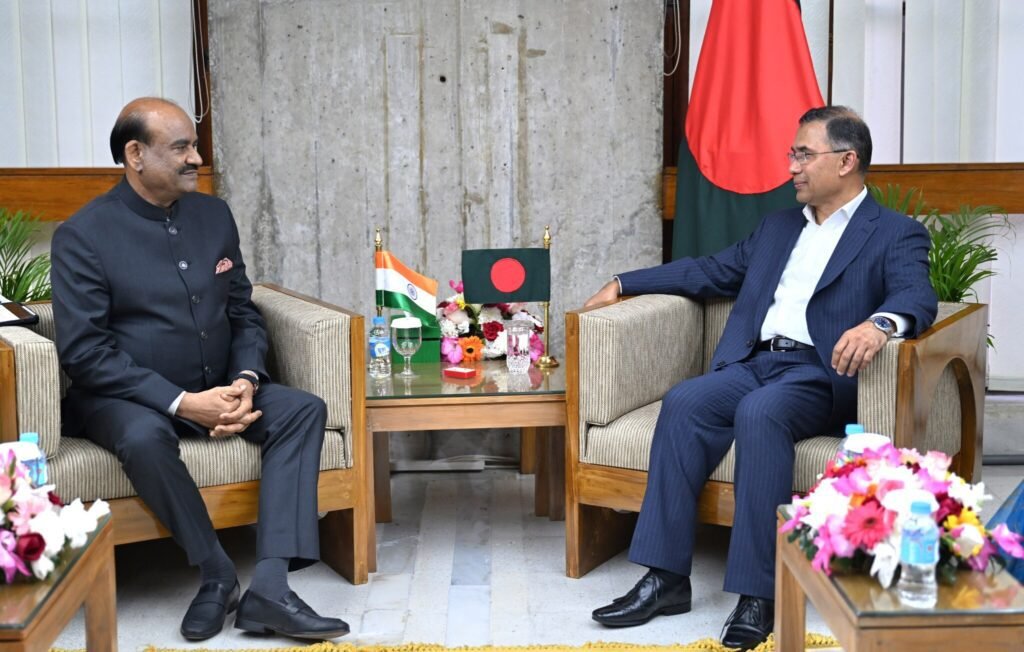
Bangladesh’s recent political transition may alter diplomatic tone and strategic signalling, but the central reality shaping India–Bangladesh relations remains structural economic interdependence. Despite the election of a new government led by the Bangladesh Nationalist Party (BNP) under Tarique Rahman, the scope for strategic divergence from India remains severely constrained by trade integration, production dependence, energy cooperation, and connectivity arrangements. Political rhetoric may shift, yet economic structures impose limits that neither side can easily transcend.
With Bangladesh having concluded its first competitive democratic election in more than a decade—despite the banning of the Awami League—attention has shifted to the transition period following the formation of the new government. This political transition carries immediate economic implications, as investment stability is critical to Bangladesh’s export-dependent growth model. Periods of political uncertainty tend to delay private investment decisions, particularly in manufacturing sectors dependent on external trade and regional supply chains. This constraint is especially significant in Bangladesh, where approximately two million people enter the labour market each year, making sustained job creation both an economic and political necessity. These structural pressures limit the scope for policy disruption and reinforce the new government’s incentive to maintain stable external economic relationships, particularly with India.