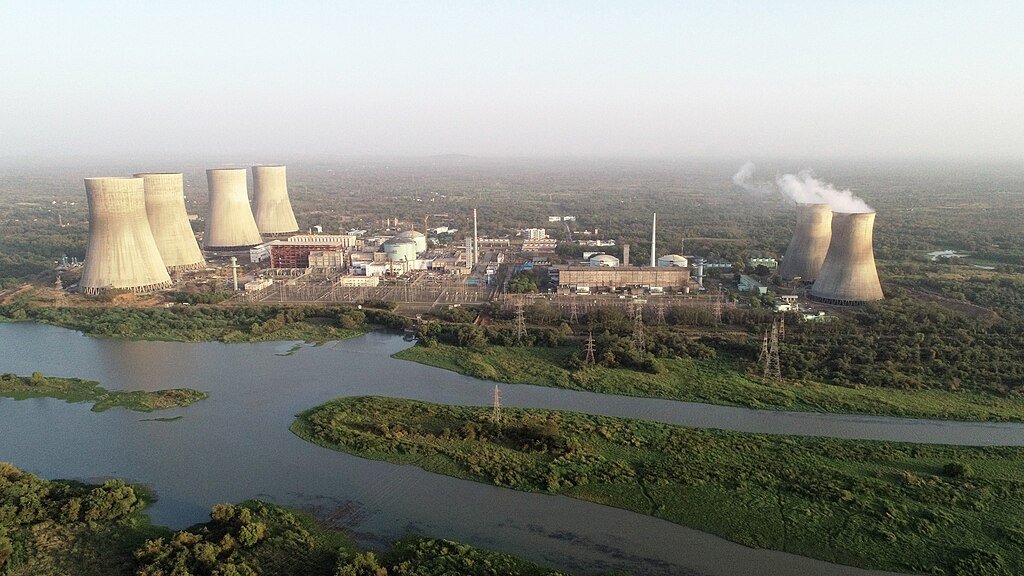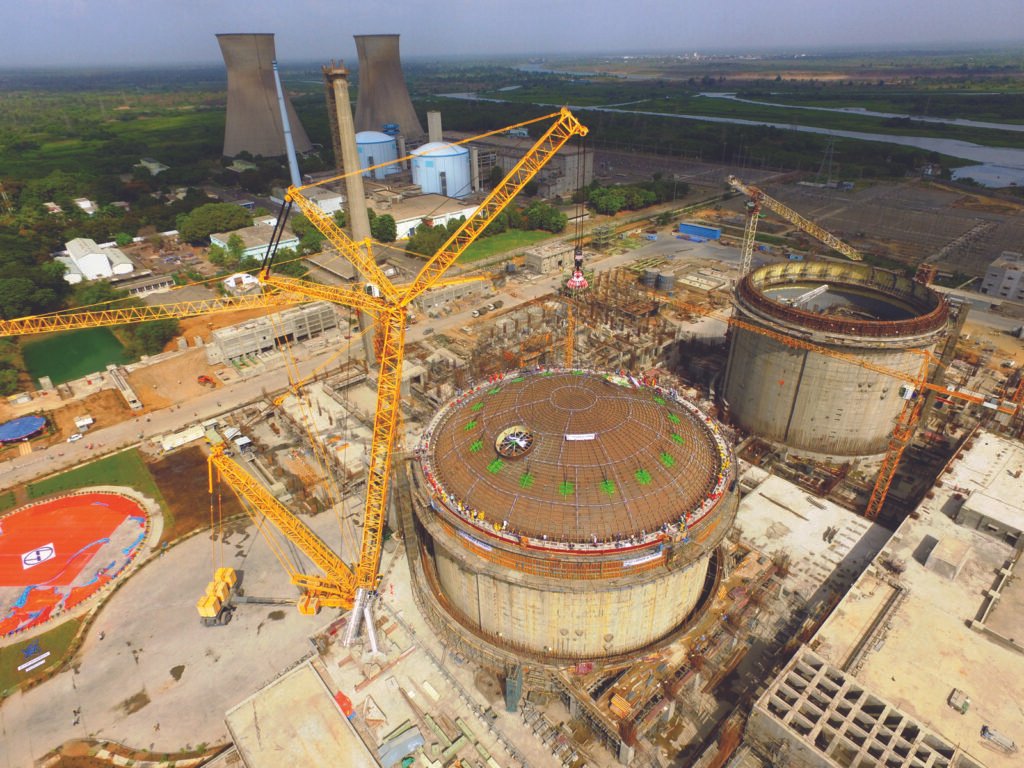
India’s nuclear programme has long sat at the intersection of strategic caution and developmental ambition. As climate imperatives sharpen and energy demand rises, the limits of a state-dominated atomic sector are becoming increasingly evident. The SHANTI Act signals a decisive shift, opening markets, recasting regulation, and rethinking risk. But can this legal reset finally unlock nuclear power’s promise for India?
Seven decades ago this year, in August 1956, the Apsara reactor went critical in Trombay. This was India’s (and Asia’s, outside the Soviet Union) first nuclear reactor. Just over a decade after the Americans, India had “cracked” one of the defining technologies of the twentieth century. The decades since this strong start have been marked by fits and starts in India’s commitment to nuclear energy. When dedicating the Apsarareactor to the nation, the Prime Minister, Jawaharlal Nehru, highlighted the potential of this new atomic revolution for the economic improvement of India, Asia, and Africa. The Sustainable Harnessing and Advancement of Nuclear Technology for Transforming India (SHANTI) Act (“the Act”), enacted in 2025, offers India an opportunity to fully realise this potential. It also forms the foundation of India’s effort to achieve its stated target of developing 100 GW of nuclear power capacity by 2047.