South Africa and BRICS Naval Drills
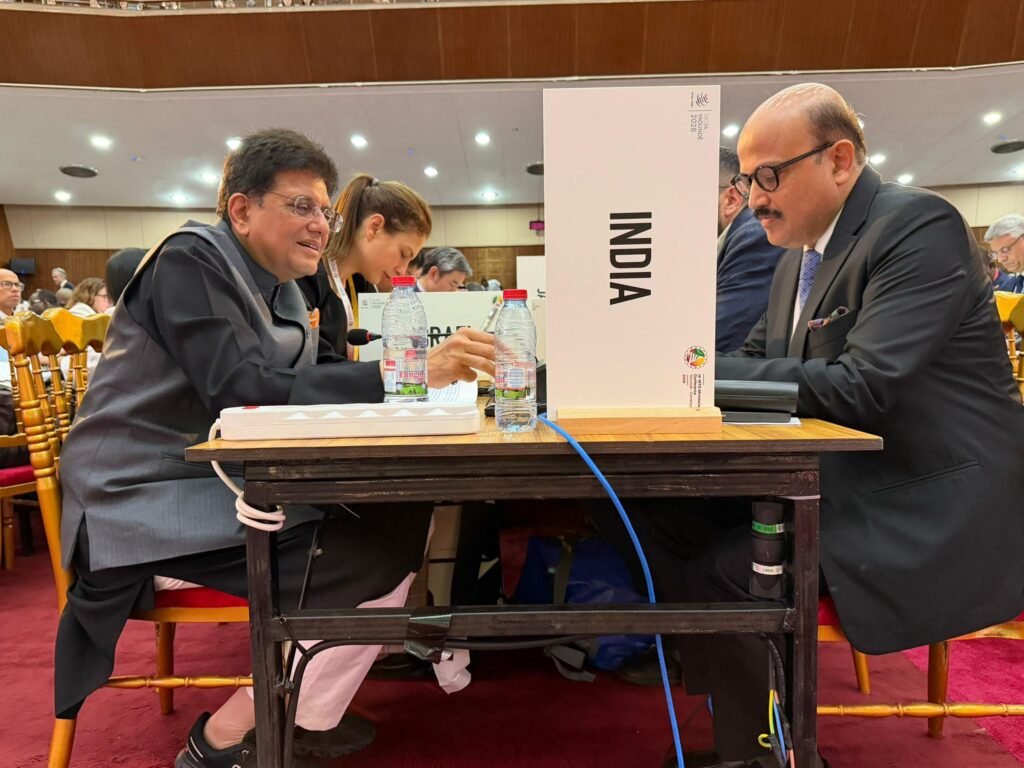
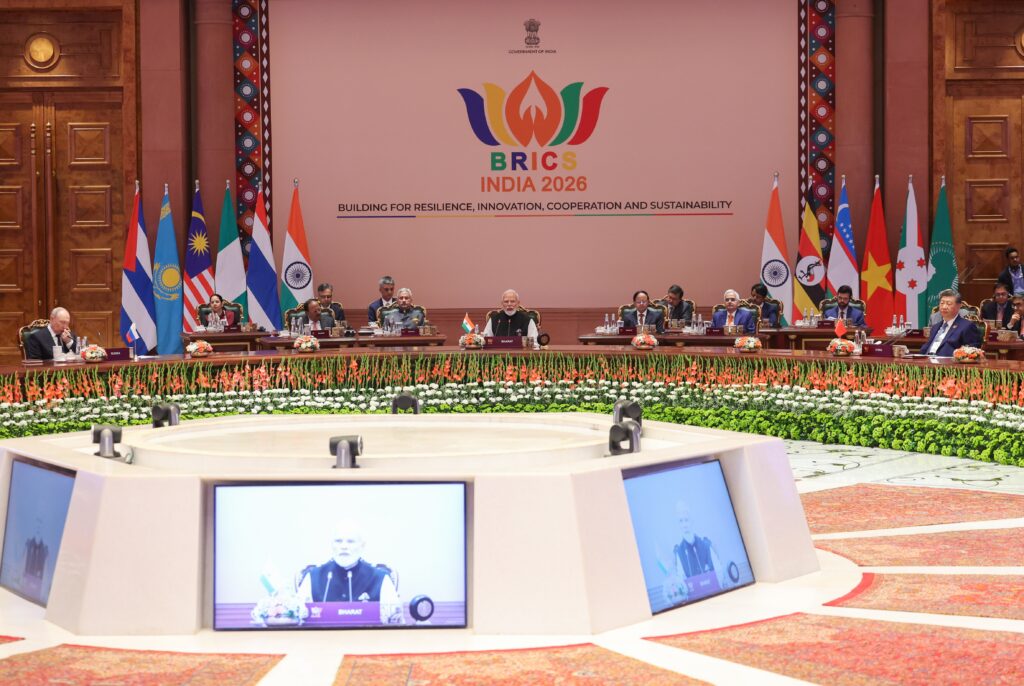
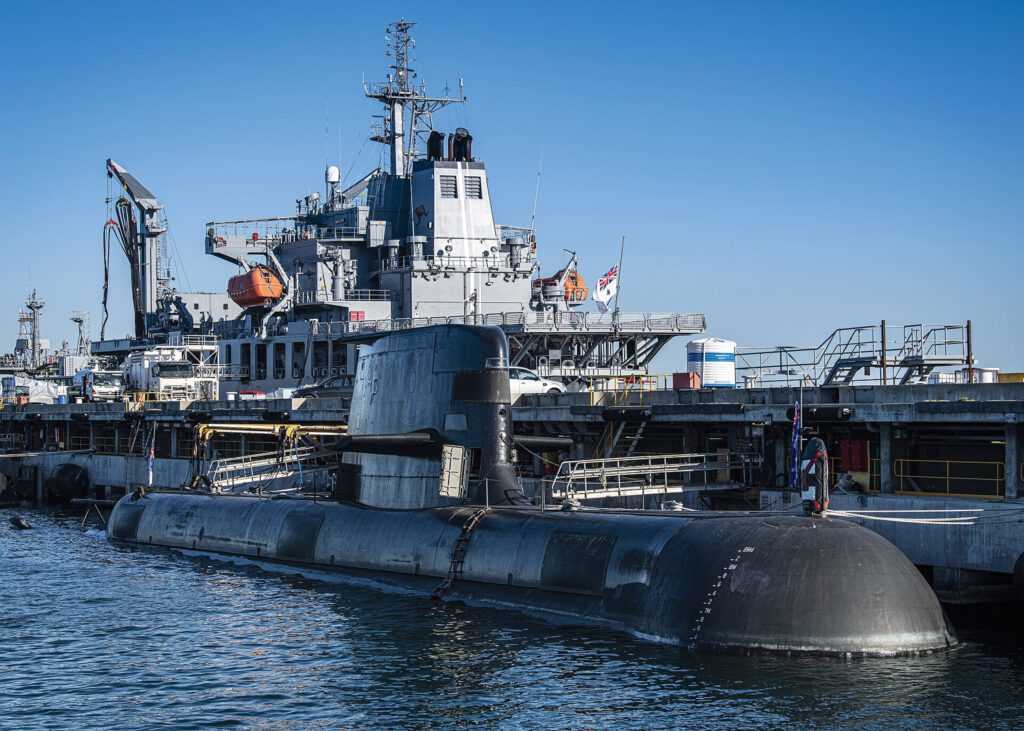
The Development: Chinese, Russian and Iranian warships conducted joint naval drills with South Africa off Cape Town. Pretoria framed them as BRICS-linked cooperation, while India publicly clarified that the exercise was a South African initiative and reiterated its non-participation.
The Take: The episode highlighted differing interpretations of BRICS among its members. South Africa treats the grouping as a flexible diplomatic umbrella; India draws a firm line between political coordination and military alignment. For New Delhi, BRICS remains a forum, not a security bloc.
Ethiopia and Eritrea: The Red Sea Question
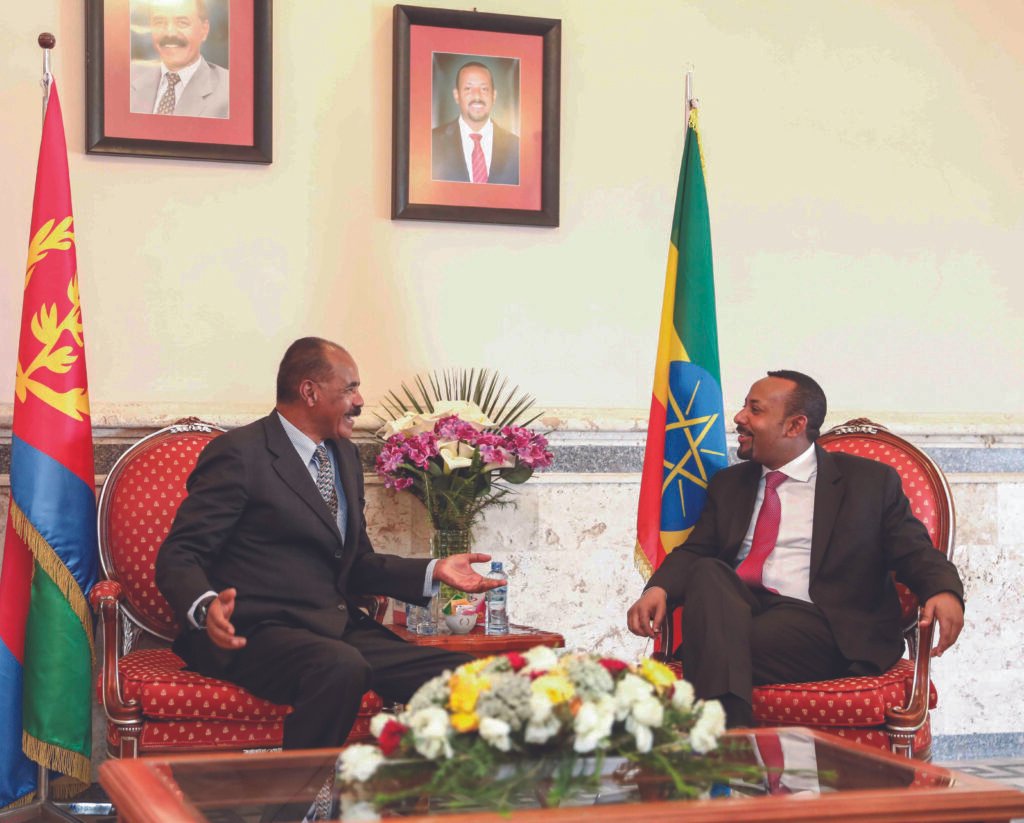
The Development: Tensions spiked as Prime Minister Abiy Ahmed of Ethiopia renewed demands for sovereign access to a Red Sea port, rhetoric Eritrea views as a direct threat.
The Take: A landlocked Ethiopia faces persistent strategic and economic constraints that shape its foreign policy priorities. Abiy frames access to the sea as an existential national requirement, while President Isaias Afwerki interprets this rhetoric as a challenge to Eritrean sovereignty. The Horn of Africa risks sliding from uneasy post-Tigray recovery into interstate confrontation.
EU and Mercosur: A Deal at Last
The Development: The European Union and Mercosur signed a long-delayed free trade agreement in Asunción, aiming to eliminate over 90% of tariffs, pending ratification in Europe.
The Take: The accord deepens EU economic reach in South America at a time of global protectionism. Yet domestic resistance in Europe underscores the fragility of trade liberalisation in an era shaped by climate politics, farm lobbies, and sovereignty concerns.

Africa and China: The Debt Turn
The Development: Data from the ONE Campaign, corroborated by Reuters, indicates that African countries now remit more to China in debt servicing than they receive in new loan disbursements, reflecting a marked slowdown in Chinese lending.
The Take: China has moved from rapid loan expansion to managing existing exposure. For African governments, this has tightened fiscal space, reduced reliance on Chinese bilateral lending, and opened a financing gap for large-scale infrastructure that multilateral and private sources have yet to fill.
Myanmar: Stalemate at Scale
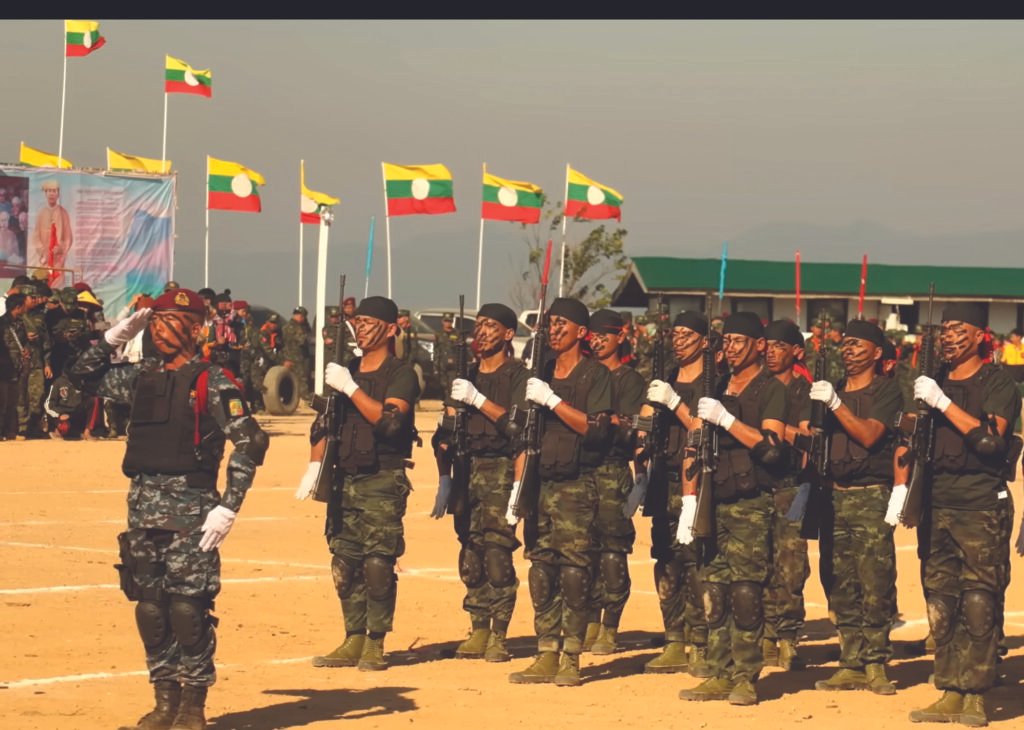
The Development: Armed groups within the Three Brotherhood Alliance maintain territorial control across northern Shan State, routinely disrupting trade corridors with China. Despite localised counter-offensives, the military junta (SAC) remains unable to re-establish a permanent presence in these strategic borderlands or secure key transit hubs.
The Take: The regime remains intact but under sustained strain. It retains control over central institutions and superior air power, even as its grip weakens along the periphery. China’s primary concern is border stability rather than allegiance to any single actor. The greater risk is a protracted, fragmented conflict rather than an abrupt regime collapse.
Indonesia: Nickel and Leverage
The Development: Jakarta revived talk of an OPEC-style grouping of nickel producers while cutting output and pressing for downstream investment at home.
The Take: The push is better understood as industrial policy than an attempt to run a cartel. Indonesia is using supply control to strengthen its bargaining position and draw investment downstream, not to fix prices. Any short-term boost from higher prices risks encouraging manufacturers to move faster toward alternatives that rely less on nickel.
Papua New Guinea: Policing Becomes Geopolitics
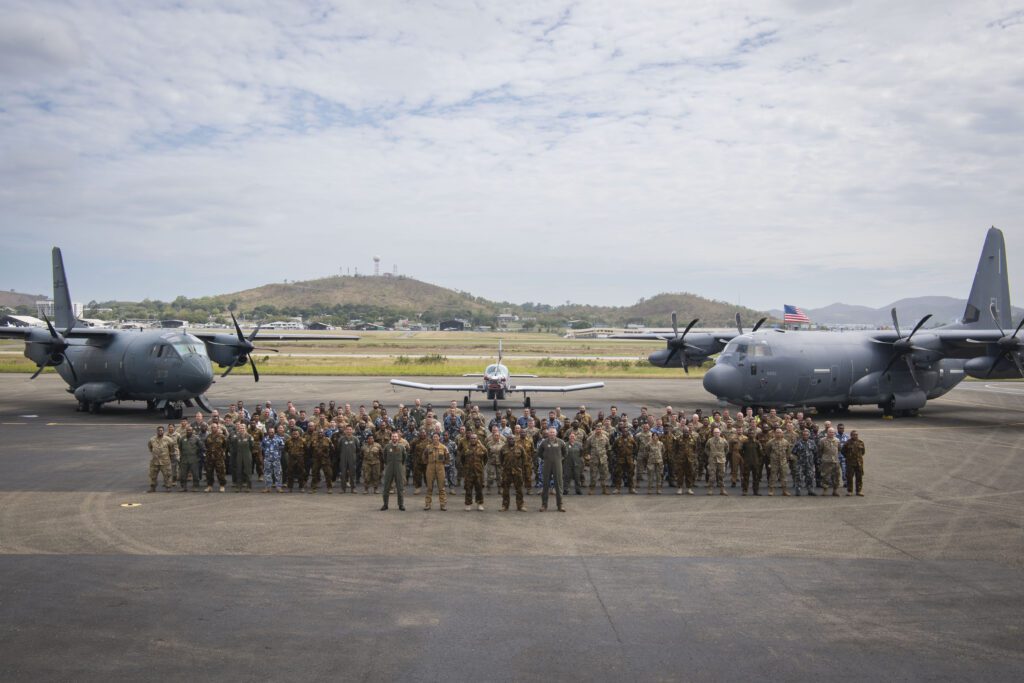
The Development: Riots in Port Moresby triggered renewed offers of policing assistance from Australia and China. Canberra reinforced its role; Beijing reiterated training and equipment support.
The Take: Internal security has become strategic terrain. Australia remains the anchor partner, but China’s presence reflects intensifying Pacific competition. Papua New Guinea must restore order without turning policing into geopolitical alignment.
India’s Vote at the UNHRC
The Development: India voted against a UN Human Rights Council resolution condemning Iran and extending investigative mandates, citing opposition to country-specific resolutions.
The Take: Procedure trumped signalling. With interests such as Chabahar at stake, India prioritised institutional consistency and strategic autonomy over moral posturing—a familiar pattern in its UN diplomacy.
Argentina: Reform Meets Resistance
The Development: President Javier Milei secured passage of the 2026 budget but faces gridlock on labour reforms, prompting extraordinary congressional sessions amid union and provincial pushback.
The Take: The honeymoon appears to be over. Markets now watch legislative delivery rather than rhetoric as major debt repayments approach. Announcing cuts is easier than building the political coalitions required to sustain reform.

Bangladesh: The Post-LDC Test
The Development: As Bangladesh prepares to exit Least Developed Country status, anxiety is rising over the loss of preferential EU market access.
The Take: Development carries costs. The garment-led export model thrived on duty-free access. Without it, Dhaka must adjust quickly. Being successful in global trade is harder than being exempt from it.