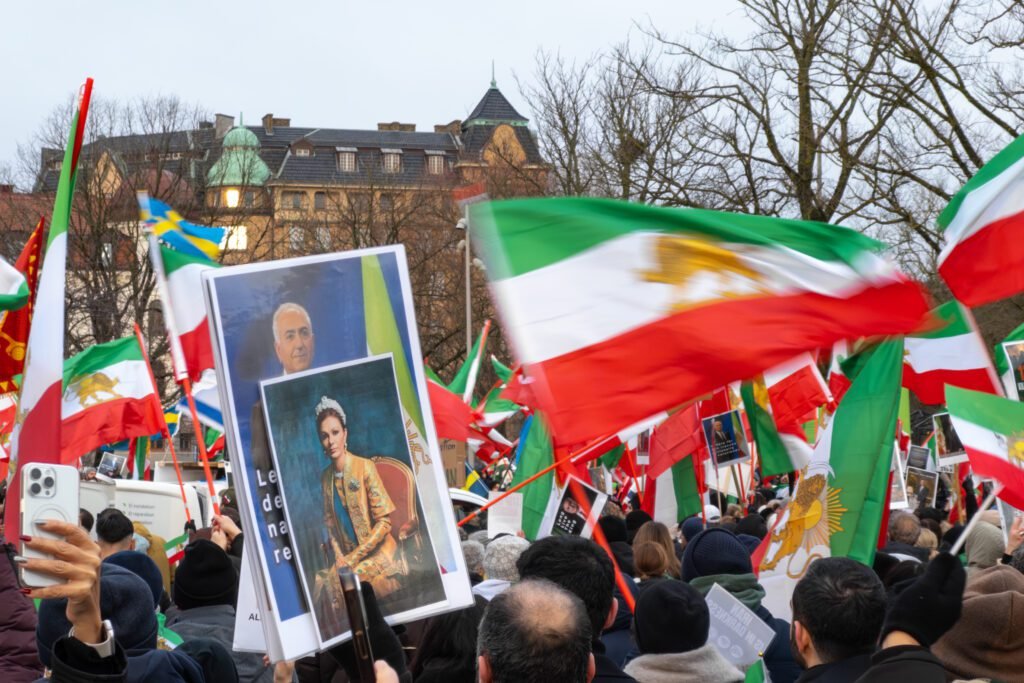
The wave of unrest in Iran, driven by inflation and economic distress, has moved beyond borders to become a regional flashpoint. As the protests spread throughout the country, and authorities responded with extreme force, the developments inside Iran began to garner international attention. The situation led to sharpening US-Iran tensions and created speculation about US military intervention to support the protesters. The worsening situation in Iran and the possibility of US military intervention, which may have had catastrophic consequences, forced Middle Eastern governments to respond publicly or privately to these developments. By mid-January 2026, diplomatic warnings, military signalling, and regional mediation efforts had transformed Iran’s internal turmoil into a broader strategic concern for the Middle East.
The US Warning
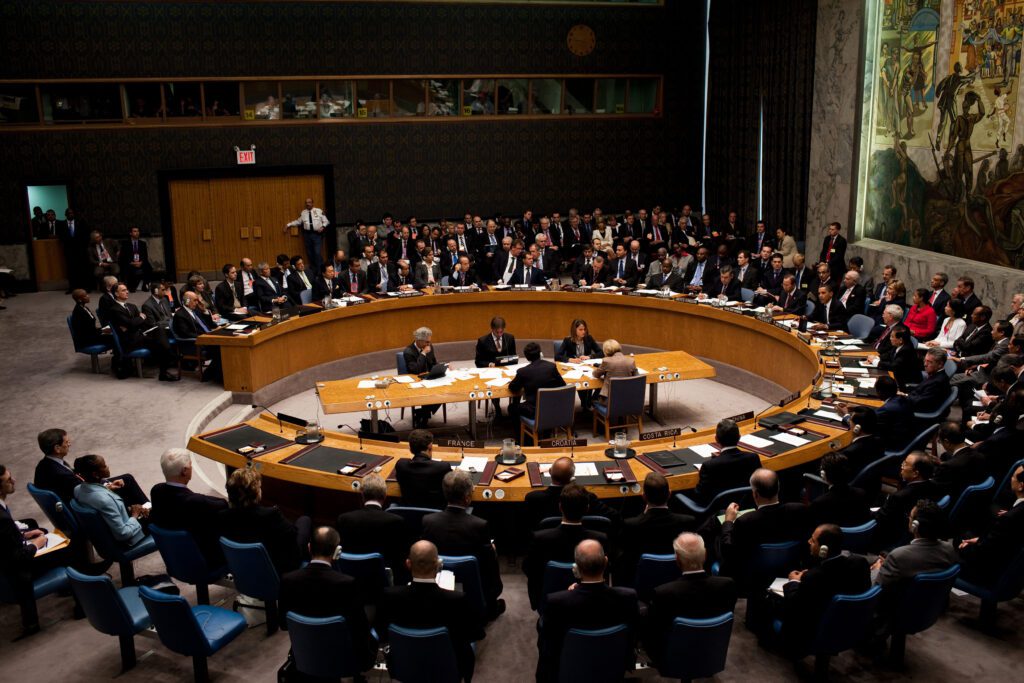
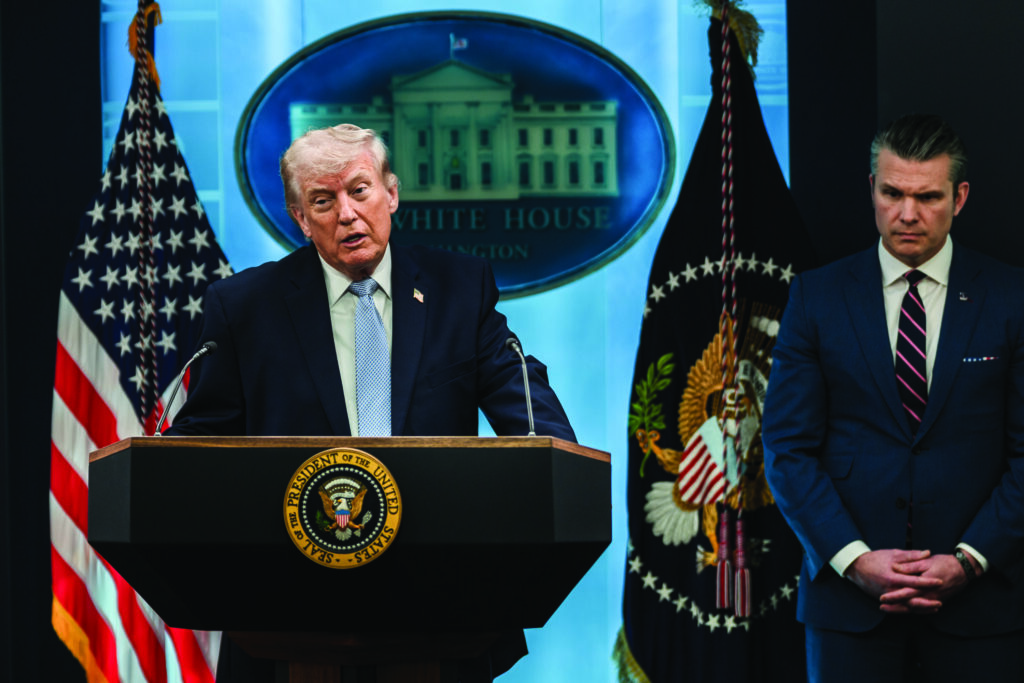
At a closed-door meeting of the United Nations Security Council on January 15th, 2026, the United States adopted markedly tougher language about the fatal repression of anti-government demonstrators in Iran. President Donald Trump, through Press Secretary Karoline Leavitt, warned that continued repression would carry “grave consequences,” adding that “all options remain on the table.”
While no concrete military steps were announced, the rhetoric alone unsettled the region. Previous experiences of US-Iran confrontations, which had region-wide consequences, heightened anxieties among regional capitals already managing fragile security and economic conditions.
Iran’s Counter-Warning
Tehran rejected Washington’s accusations about the brutal repression of protesters and accused the US of fomenting unrest. Iran issued counter-warnings that any military action would trigger retaliation not only against US assets but also against American military bases in the region. Governments in the Middle East responded by charting their positions amid fears of any escalation and its reach beyond Iran.
Tehran declared that U.S. military bases in neighbouring countries, such as Saudi Arabia, the UAE, and Turkey, would be considered legitimate targets if any military action materialised. Iranian authorities reportedly urged these governments to dissuade Washington from pursuing military action, an indication of the gravity with which Iran viewed external threats amid its internal turmoil.
The Middle East Alarm
The prospect of a US-Iran confrontation raises acute regional concerns. The Gulf countries are alarmed by the developments, particularly due to its potential implications for the oil market. Such a situation could destabilise oil markets and disrupt key shipping routes like the Strait of Hormuz, a critical passage for global energy supplies. Iran wields significant missile capabilities and could leverage allied militias. Regional leaders anticipate potential risks to military targets and to vital economic infrastructure. In a bid to stave off the escalation of hostilities, countries like Saudi Arabia, Qatar, and Egypt have made diplomatic efforts to mediate between Washington and Tehran, seeking to de-escalate tensions that could further destabilise the region.
How Key Countries Responded
Saudi Arabia
Saudi Arabia urged restraint and discouraged any military involvement in the crisis. Having recently stabilised relations with Tehran after years of rivalry, Riyadh engaged in diplomatic channels with both Washington and Iran to prevent the intensification of tensions. Reports suggest that Saudi Arabia explicitly informed Iran that its airspace and territory would not be utilised in any potential attack against it. Furthermore, Saudi officials cautioned their American counterparts against military action that would lead to “grave blowbacks,” warning of significant repercussions for regional security and economic stability.
United Arab Emirates
The United Arab Emirates (UAE) adopted a measured approach amidst the growing hostilities, avoiding visible involvement but discreet diplomacy behind the scenes. This is partly because Iran relies heavily on trade with the UAE, its second-largest trading partner, and the economic stakes are asymmetrical. Recently, US President Donald Trump has ordered a 25% additional tariff on countries doing business with Iran, further complicating UAE-Iran relations. Though the order is yet to be implemented, Emirati authorities have expressed consistent concerns over the escalating tension and issued calls for caution to avoid actions that could jeopardise Gulf security, economic stability, and energy markets.
Qatar
Qatar maintained its longstanding role as a regional mediator amid rising U.S.-Iran tensions. Alongside other regional counterparts like Saudi Arabia and Oman, Qatari officials have actively pushed for dialogue to ease potential confrontation that could have devastating consequences. Doha stated that any armed conflict would be “catastrophic” for the region and focused its diplomatic efforts on strengthening open channels of communication with and between both Washington and Tehran.
Egypt
As a key ally of the United States, Egypt, along with countries like Qatar, played a significant role in U.S.-led mediation efforts regarding the Israel-Hamas conflict in Gaza. Reports suggest that, in the Iran question as well, Cairo actively participated in diplomatic initiatives and pressed the importance of restraint and dialogue and warned of potential Middle Eastern instability should military actions escalate.
Turkey
Like its Middle Eastern counterparts, Turkey also firmly opposed any foreign military intervention. Officials from President Recep Tayyip Erdoğan’s administration acknowledged that Turkey recognises Iran’s internal challenges but insisted that external interference, as proposed by Washington, would only exacerbate the situation rather than resolve it. Warning that any external military action risks triggering broader crises in the region, Ankara advanced the need to address Iran’s issues through internal mechanisms and dialogue, engaging diplomatically with both Iranian and U.S. representatives. Turkish leaders insisted that their focus was on preventing regional destabilisation amidst ongoing protests and tensions in the U.S.-Iran relations.
Israel
Israel, on the other hand, took a measured approach: deterrent messaging balanced with public restraint. In order to avoid any chance of Tehran interpreting its stance as foreign interference, Israeli officials were careful to keep their comments low-key. At the same time, like the United States, Israel has maintained a state of high military alert. Earlier this month, Israeli PM Netanyahu made clear that any Iranian attack on Israel would be met with “a force it has not yet known.” This is in keeping with Israel’s perspective of Iran as its foremost security threat.
Military Signals and Diplomatic Messaging
Noticeable changes were implemented at US military sites across the Middle East in the second/third week of January 2026. U.S. and regional sources indicated that a small number of American personnel were temporarily relocated from Al Udeid Air Base in Qatar, the largest U.S. facility in the region. Qatari officials described the move as a limited, preventive step, stressing that it neither amounted to a wider drawdown nor pointed to an upcoming military action.
Tehran will “fire back with everything we have if we come under renewed attack”, said Abbas Araghchi, the Iranian Foreign Minister, responding to Trump’s repeated escalatory statements. Speaking to the Wall Street Journal, Araghchi rejected the characterisation of his statement as a threat, explaining that he was articulating a reality he believed needed to be stated plainly, adding that both his diplomatic career and military background had left him deeply opposed to war.
In a separate development, Baghdad confirmed that U.S. forces would withdraw entirely from Iraqi territory. The official Iraqi line was that this resulted from bilateral negotiations and a need for the country to reinforce its sovereignty by reducing the presence of foreign troops. They further clarified that this was not a direct reaction to the crisis in Iran but a decision taken for its long-term strategic future.
An already fraught regional environment is being threatened by even more instability as the Iranian crisis continues to emanate its far-reaching repercussions. It has turned, slowly but surely, into much more than just a domestic, internal challenge.