
For India, emerging patterns of transnational terrorism demand a fundamental shift in how democracies coordinate prevention. Consider the Bondi attack on December 14, 2025: a major terrorist assault during a religious celebration in Sydney, carried out by perpetrators of Indian origin radicalised by ISIS ideology. The attack followed only months after a deadly assault in Kashmir attributed to Pakistan-based militant groups. Such interconnected threats—spanning South Asia, Southeast Asia, and the Pacific— expose the inadequacy of bilateral counterterrorism approaches and highlight the urgent need for institutionalised coordination through platforms such as the Quadrilateral Security Dialogue (Quad).
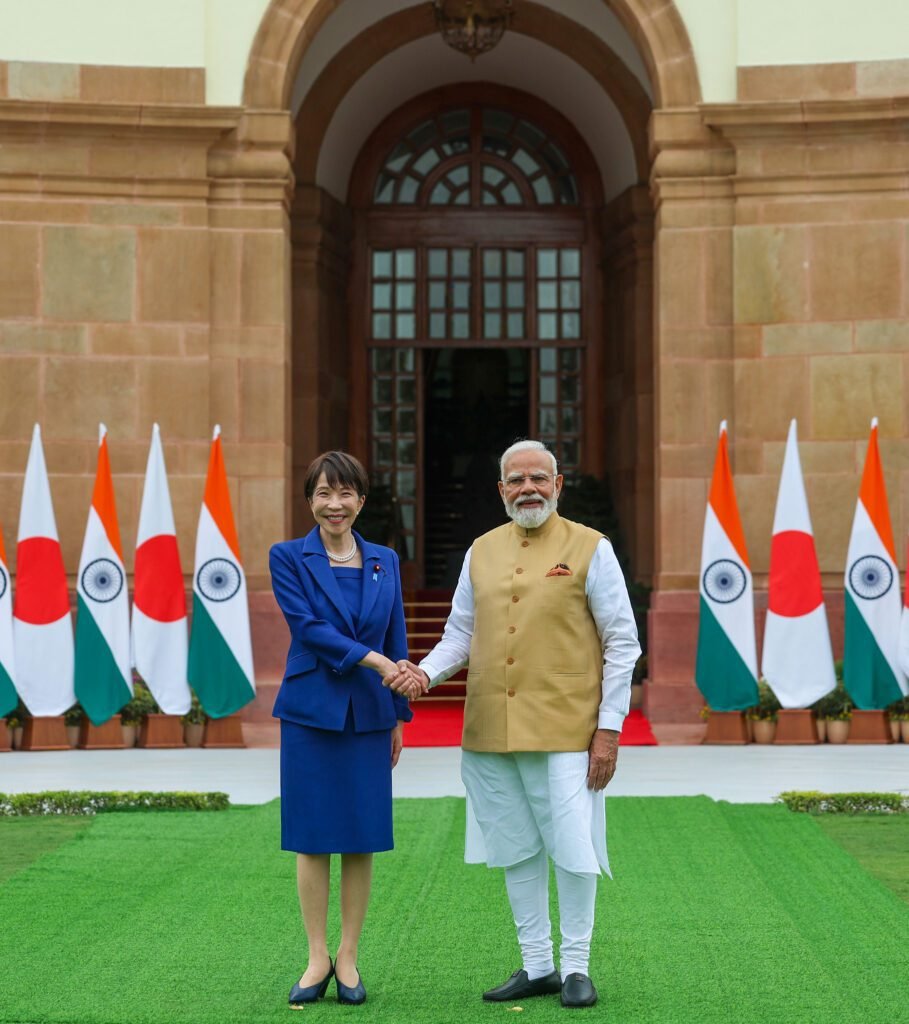
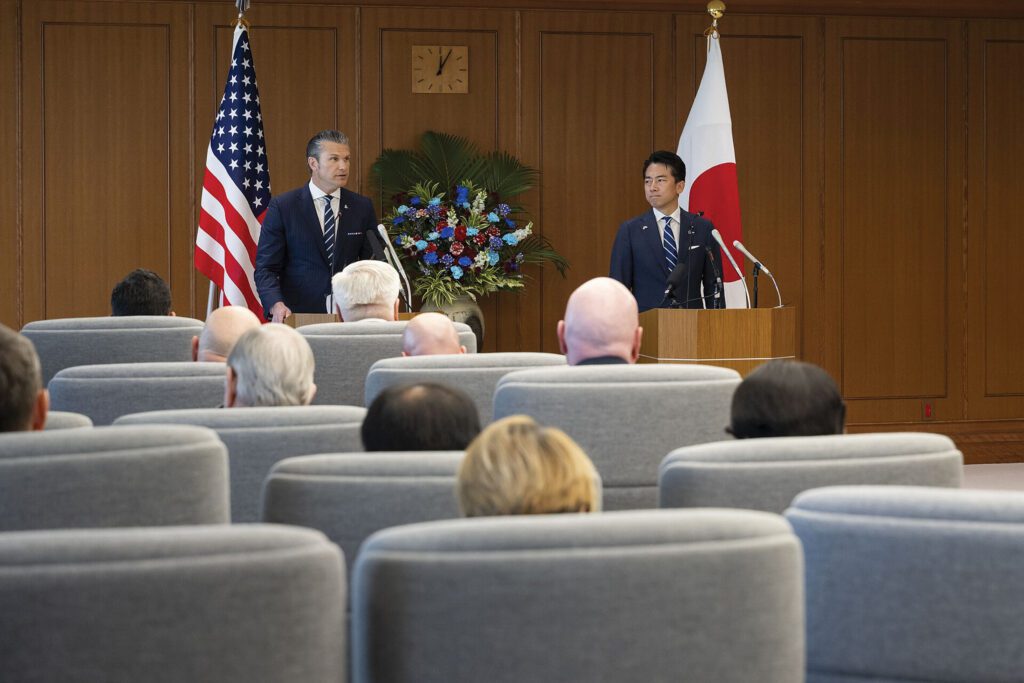
Both Japan and the United States are likely to show interest in such initiatives, albeit driven by distinct strategic considerations. For the United States, transnational and ideologically networked terrorist attacks underscore the risks of global jihadist diffusion, diaspora radicalisation, and security spillovers across the Indo-Pacific, aligning closely with its long-standing emphasis on intelligence integration and preventive counterterrorism frameworks. For Japan, although terrorism does not constitute a primary domestic threat, instability affecting Australia, India, and the broader Indo-Pacific region directly threatens regional order, economic stability, and the safety of Japanese nationals overseas. Nevertheless, the engagement of both countries would likely remain preventive and institutional rather than operational in nature, prioritising intelligence sharing, early-warning mechanisms, counter-radicalisation efforts, and capacity building. In this context, the Quad emerges as a relevant—yet still underutilised—platform for coordinated counterterrorism prevention rather than reactive response.