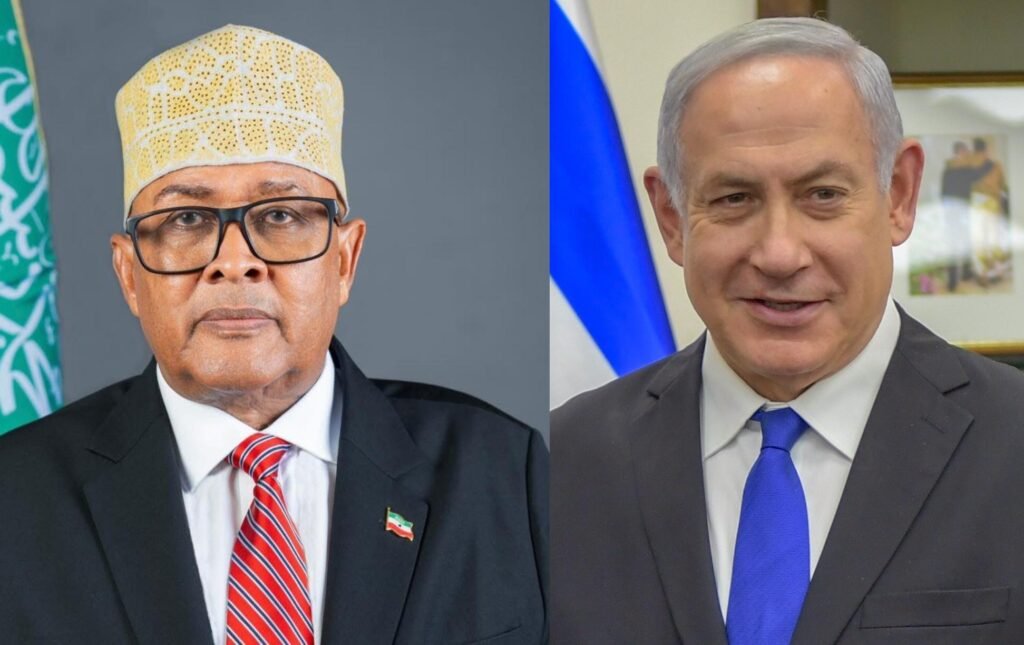
On December 26, Israel became the first country to extend formal recognition to the Republic of Somaliland, marking a watershed moment in the geopolitics of the Horn of Africa. Expectedly, the announcement has triggered widespread opposition. However, its strategic significance extends far beyond the immediate controversy, reshaping the geopolitical chessboard across one of the world’s most critical maritime corridors.
Interestingly, Somaliland’s demand for recognition has its due merits. Since its violent secession from Somalia in 1991, it has functioned as a de facto state. Despite being deprived of international recognition, Somaliland has charted a distinct trajectory compared to the protracted instability of Somalia, building functioning institutions, holding regular competitive elections, and maintaining relative peace in a volatile neighbourhood. The divergence is more palpable from Freedom House’s assessment that Somaliland ranks among the few “free” political systems in East Africa.