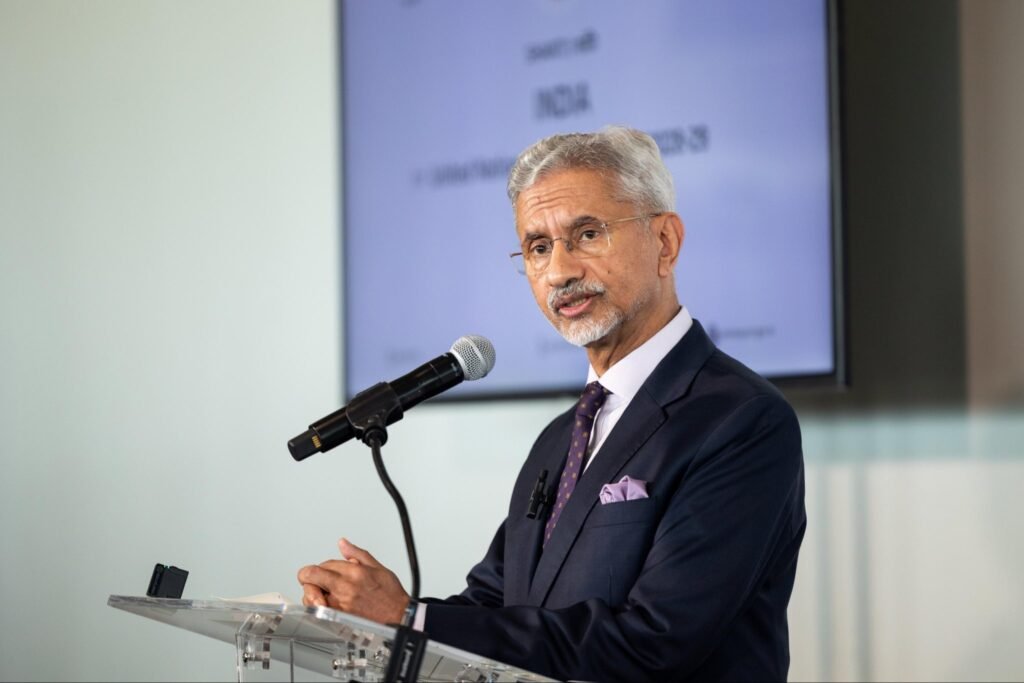
In the report India in the Multilateral System: UN, Bretton Woods and Club Governance published by the Norwegian Institute of International Affairs (NUPI), authors Ole Jacob Sending, Cedric H. de Coning, and Stein Sundstøl Eriksen analyse how India engages with global multilateral institutions and why its behaviour remains selective, pragmatic, and strategically calibrated. The authors argue that India’s multilateralism is not driven by abstract commitments to global governance reform, but by concrete domestic development priorities, concerns over sovereignty, and regional security interests. India’s growing material power has increased its influence, but not fundamentally altered its cautious approach to binding multilateral obligations.
The report examines India’s engagement across three institutional arenas: the United Nations system, the Bretton Woods institutions, and smaller club-based groupings such as the G20 and BRICS. Across these platforms, India consistently seeks to protect policy autonomy while expanding its voice and status, particularly as a representative of the Global South. Rather than positioning itself as a radical reformer, India acts as a broker that modifies existing structures to better accommodate emerging economies.
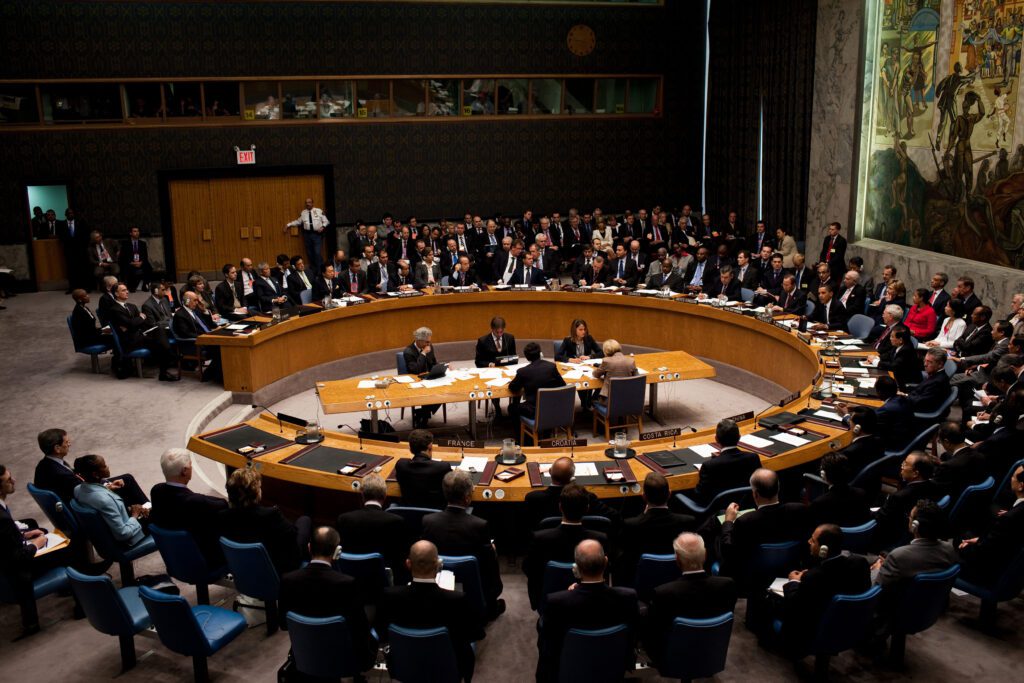
At the United Nations, the report highlights a dual strategy. Politically, India uses universal forums such as the UN General Assembly to advance normative positions on development, decolonisation, and representational equity, while strongly resisting interventions that challenge state sovereignty. Operationally, India is one of the largest contributors to UN peacekeeping missions, using this role to project responsibility and legitimacy. However, the authors note India’s persistent reluctance to support robust or intrusive peace enforcement mandates, reflecting its concern that such precedents could later be applied to itself or its region.
In the Bretton Woods institutions, India’s behaviour is characterised as ambivalent but increasingly confident. The report traces India’s evolution from a cautious borrower to an influential shareholder following economic liberalisation and sustained growth. India advocates governance reforms, particularly quota realignment and voting power adjustments, but avoids proposals that could destabilise institutional credibility or restrict domestic policy space. The authors show that India’s engagement remains highly technocratic, focused on incremental reform rather than systemic overhaul, with food security, development finance, and macroeconomic flexibility as core red lines.
In club governance formats such as the G20 and BRICS, India adopts an explicitly instrumental approach. These forums allow India to shape agendas without the procedural constraints of universal institutions. The report demonstrates that India uses the G20 to connect emerging economy priorities with established global financial mechanisms, while BRICS serves as a platform for coordination among non-Western powers. India’s leadership during its G20 presidency and its role in supporting African Union membership are presented as examples of how India converts representational rhetoric into tangible institutional outcomes, without challenging the basic architecture of global governance.
The report identifies several cross-cutting patterns. First, India’s multilateral strategy is driven from the inside out, with domestic political economy concerns shaping external commitments. Second, India’s claim to leadership of the Global South is conditional and pragmatic, gaining traction when it delivers material benefits rather than ideological alignment. Third, India functions most effectively as a broker that lends legitimacy to reform initiatives, rather than as a confrontational agenda-setter.
The authors conclude that India will remain a critical but cautious actor in the evolution of the multilateral system. As its capabilities grow, its influence will expand, but its preference for sovereignty, flexibility, and incremental change will endure. Any attempt at meaningful multilateral reform will require India’s participation, but success will depend on aligning reform agendas with India’s developmental priorities and its insistence on preserving national policy space.