India’s World Annual Conclave 2025

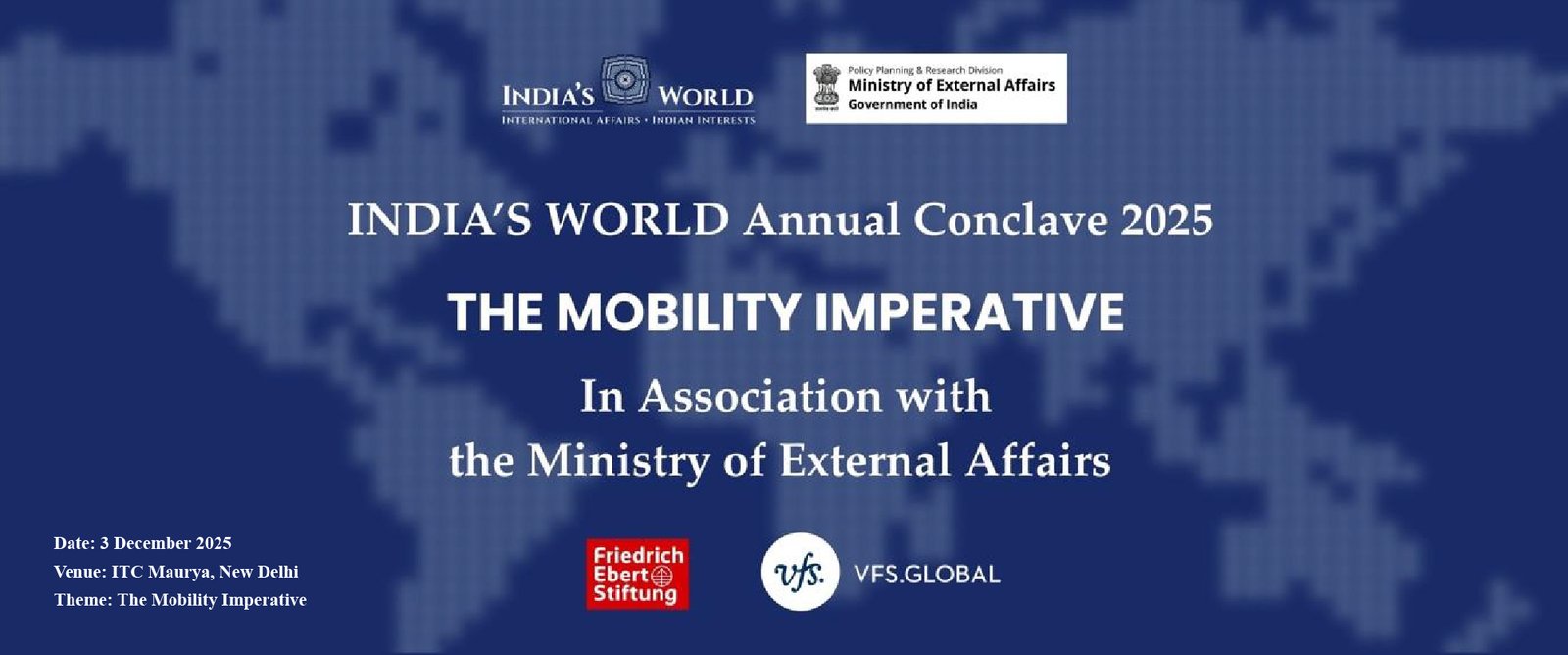
In Association with the Ministry of External Affairs (MEA)

About the Event 

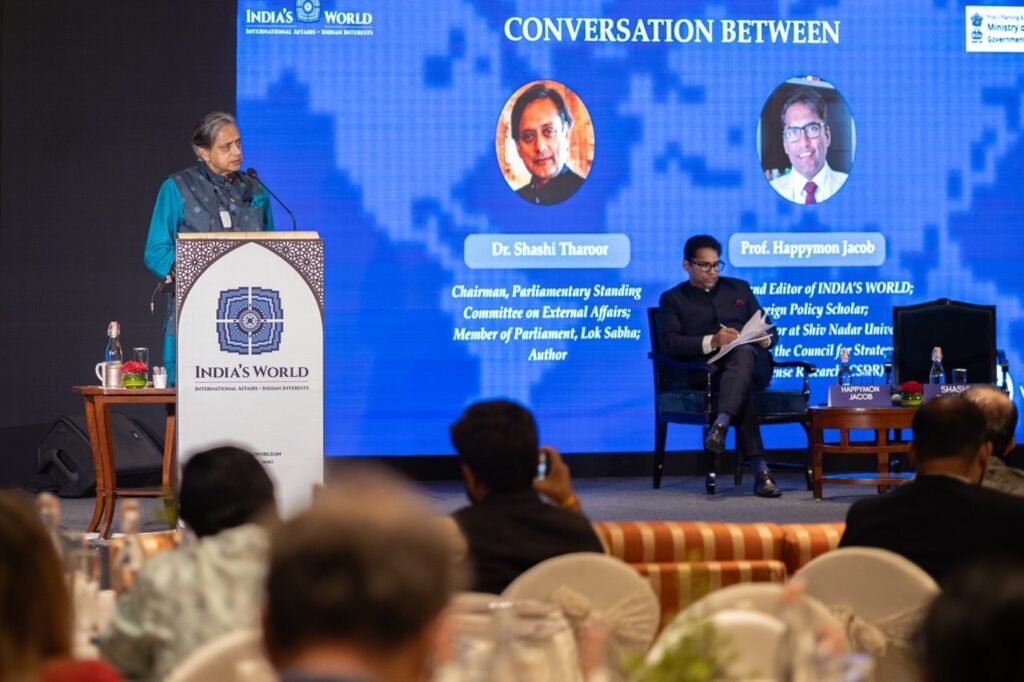
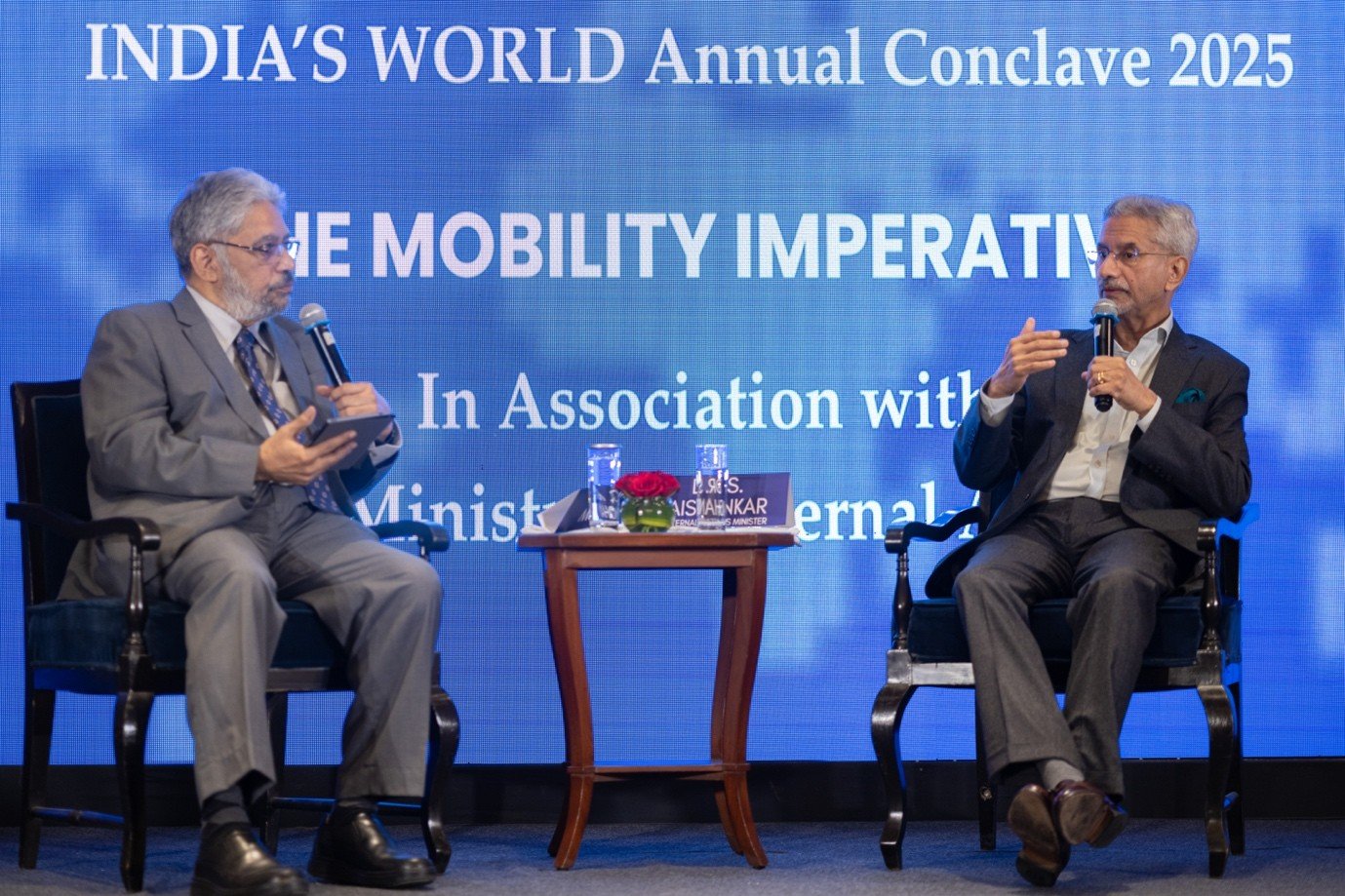
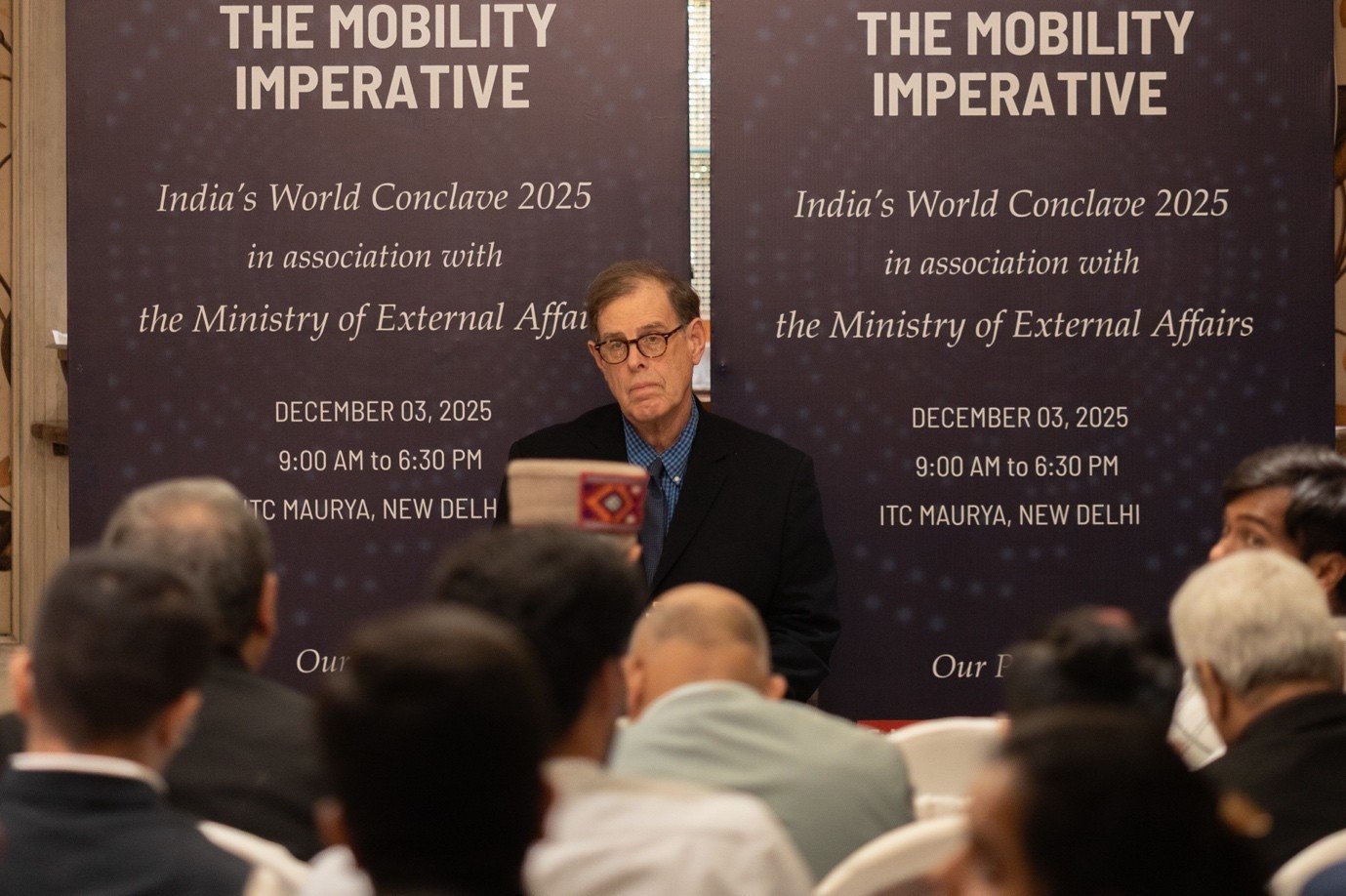
The inaugural India’s World Annual Conclave 2025, held in association with the Ministry of External Affairs, brought together senior diplomats, academics, policy thinkers, and practitioners to examine The Mobility Imperative, a foreign-policy priority directly shaping the well-being and opportunities of Indian citizens. As India’s young, ambitious workforce increasingly seeks global avenues for education and employment, mobility has become a people-centric foreign policy concern. The conclave addressed issues ranging from labour mobility and global talent flows to the physical security of Indians abroad amid intensifying geopolitical conflicts. The day-long gathering explored how India can leverage its demographic strengths while safeguarding and enabling citizens in a rapidly evolving global landscape.

The Conference Discussed the Following topics

India’s Global Footprint

The Great Global Demographic Transition and India

The Global Workplace and Indian Talent

India and Global Education
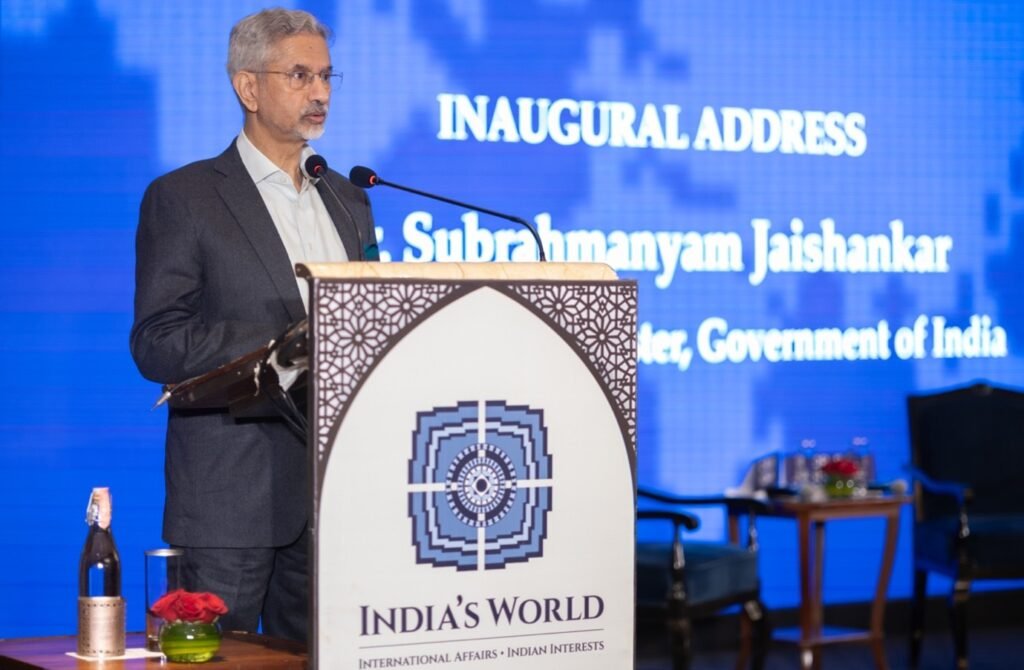
KEYNOTE SPEAKERS

PANELS

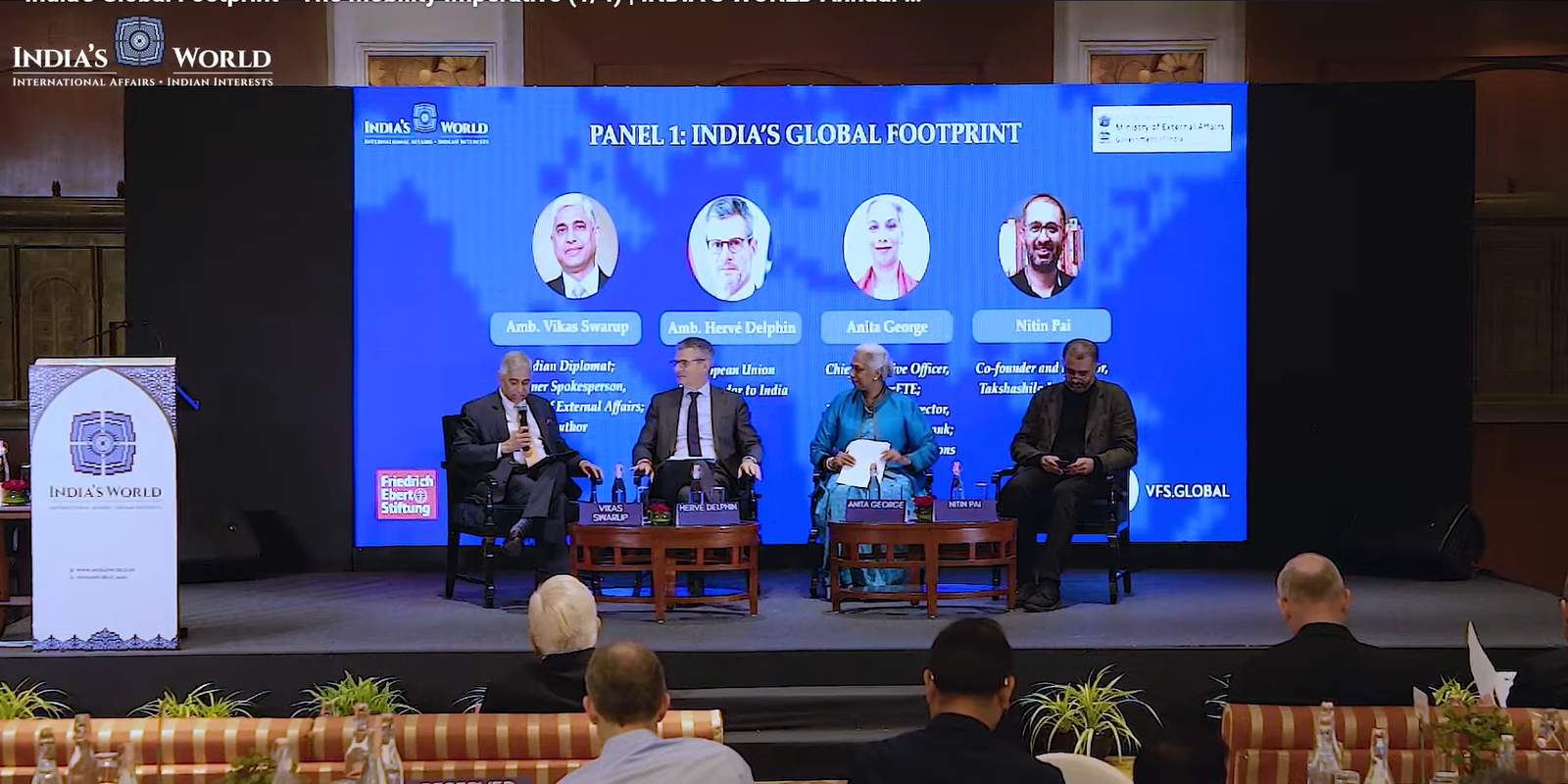
Panel 1: India’s Global Footprint

Chair: Amb. Vikas Swarup

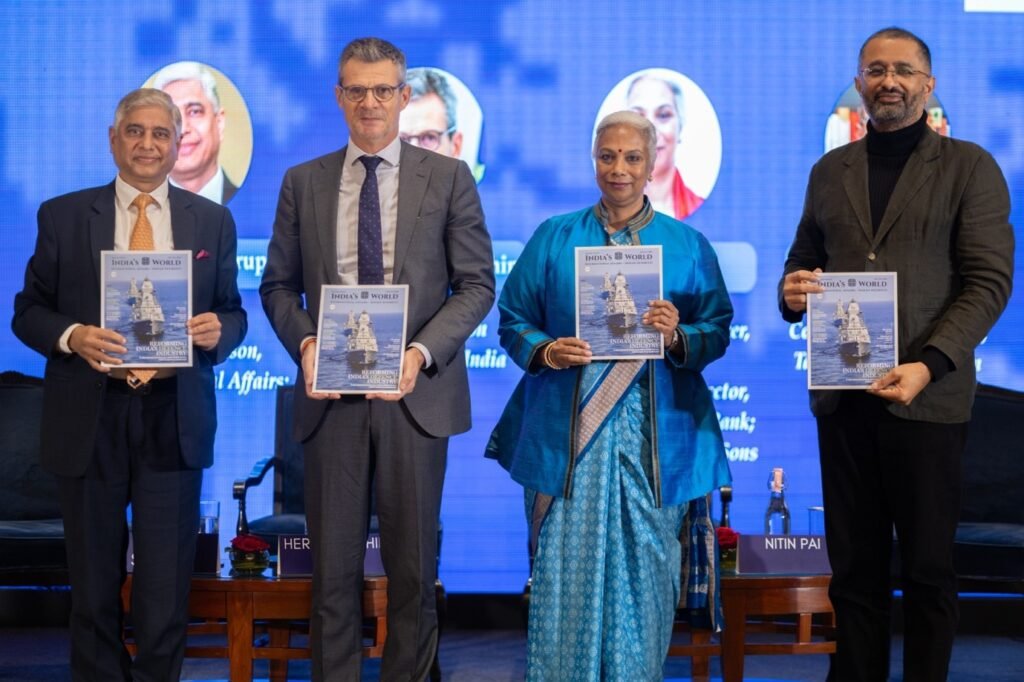
Chaired by Ambassador Vikas Swarup, this session explored India’s expanding global footprint in a world where mobility is increasingly central to diplomacy, economics, and security. Ambassador Hervé Delphin noted that India-EU ties are shaped by complementarity, scale, and long-term strategic commitment. Anita George highlighted India’s potential to contribute to global energy and financial transitions, while Nitin Pai stressed that India’s tech policy must prioritise agile adoption and diffusion over chasing frontier technologies. Together with Nitin Pai and Amb. Delphin, the panel emphasised how India’s diaspora, economic partnerships, and governance reforms can deepen global linkages amid shifting geopolitical currents.

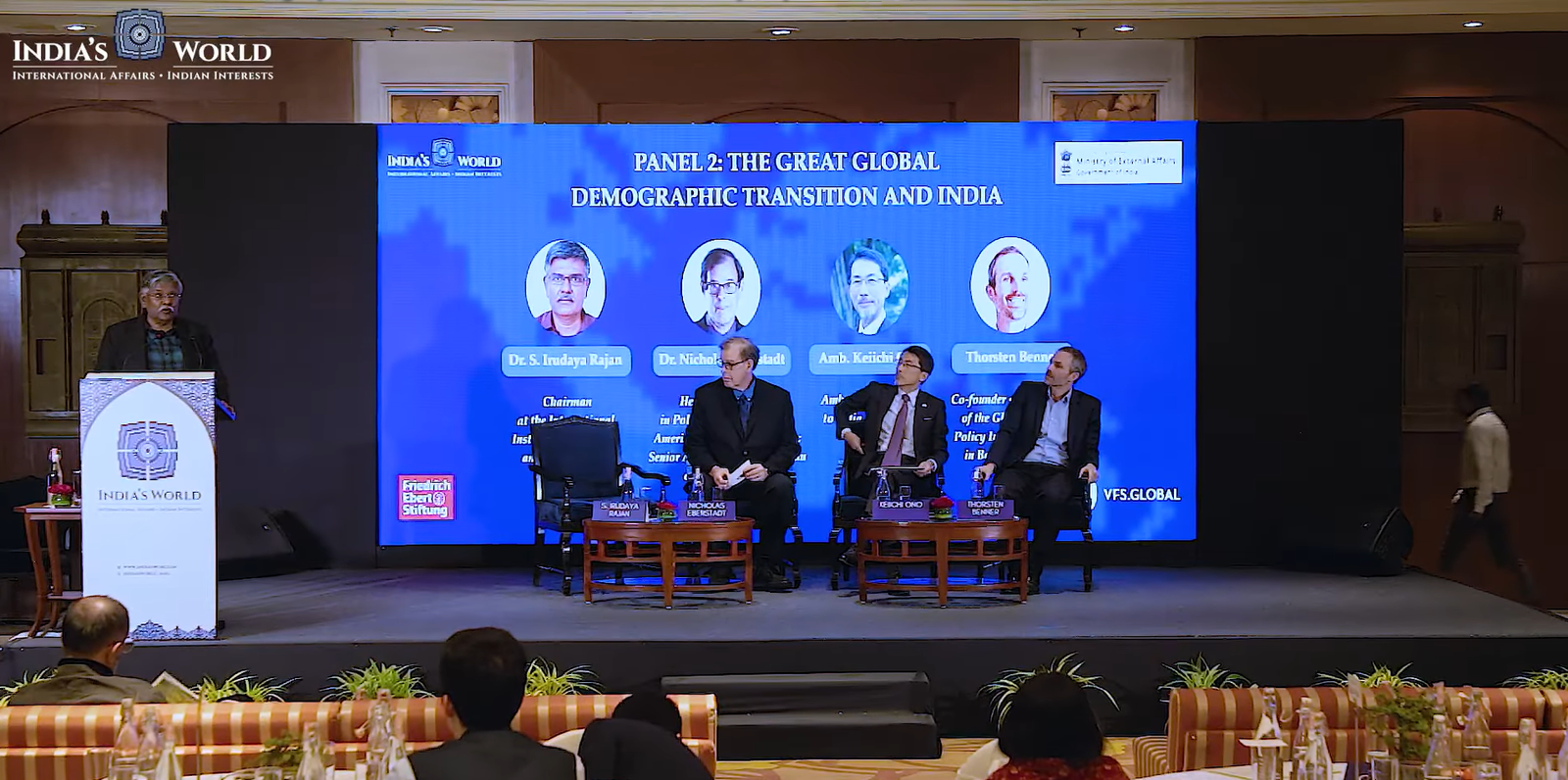
Panel 2: The Great Global Demographic Transition and India

Chair: Dr. S. Irudaya Rajan

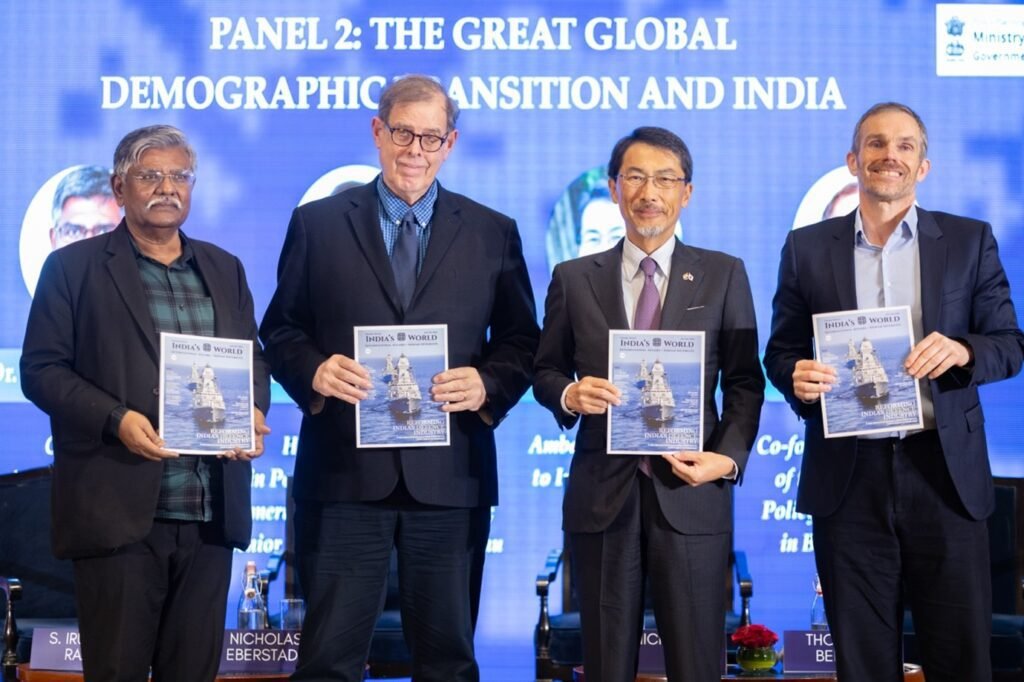
This panel examined global demographic shifts and their implications for India’s youth-heavy workforce. Dr. Nicholas Eberstadt outlined how demographic decline in advanced economies is reshaping labour markets and creating structural opportunities for countries like India. Ambassador Keiichi Ono highlighted Japan’s openness to skill partnerships, while Thorsten Benner assessed how migration pressures intersect with geopolitics and domestic politics. The discussion stressed that India’s demographic dividend can only be realised through investment in human capital and regulatory reforms that facilitate safe, high-quality mobility. The panel reinforced mobility as both an economic opportunity and a strategic foreign-policy concern.

Panel 3: The Global Workplace and Indian Talent

Chair: Arti Ahuja

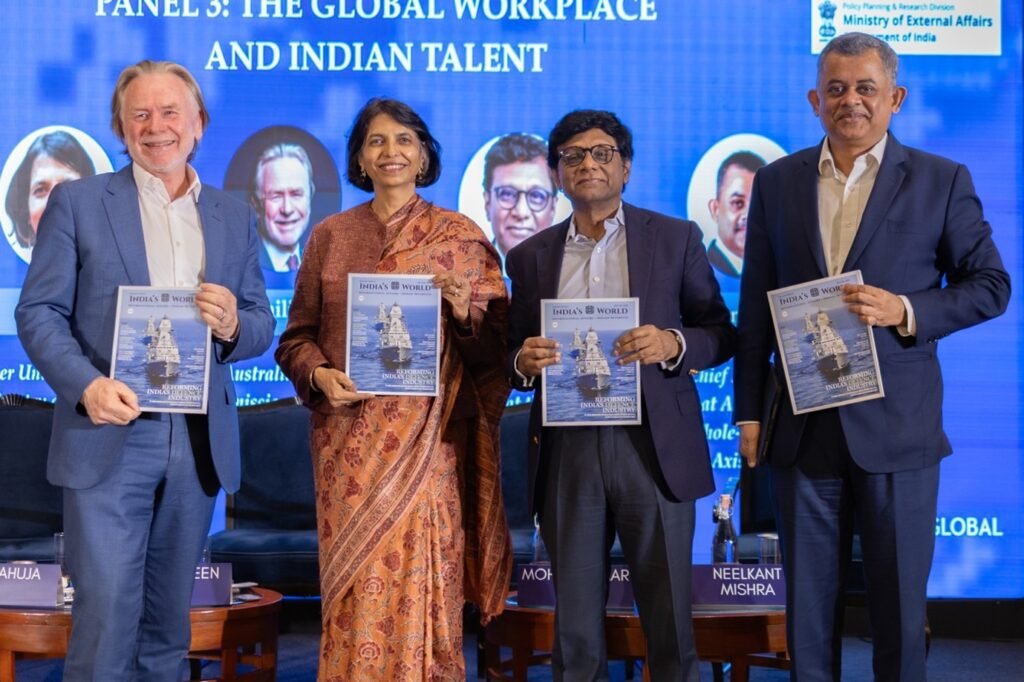
Arti Ahuja led a forward-looking discussion on India’s place in the global talent economy. Ambassador Philip Green highlighted Australia’s reliance on international talent and its deepening education partnership with India—emphasising that two Australian universities already operate in India, with more to come. Ambassador Mohan Kumar reflected on India’s role in shaping mobility pathways, while economist Neelkant Mishra identified regulatory and structural reforms needed to empower Indian workers globally. The panel underscored the urgency of equipping Indian youth for the demands of AI-driven, automated labour markets while ensuring safe, sustainable channels for international work and study.

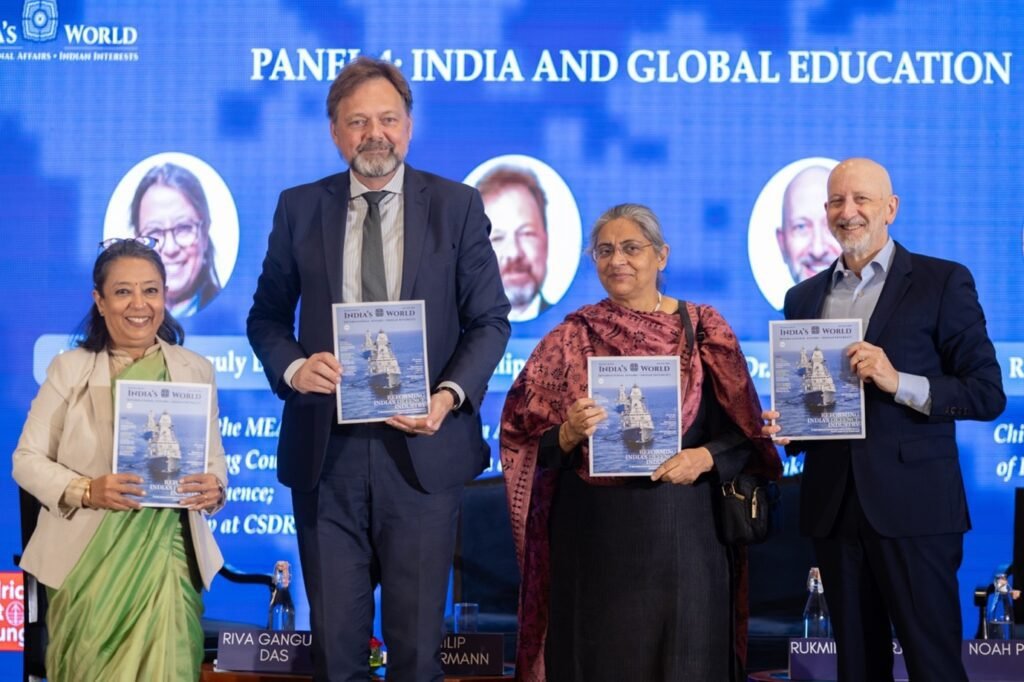
Panel 4: India and Global Education

Chair: Amb. Riva Ganguly Das

This panel offered a holistic examination of global education, framed by India’s dual role as a major source of international students and an emerging destination for global learners. Ambassador Dr. Philipp Ackermann reflected on the future of Indo-German academic collaboration, while Rukmini Banerji spoke powerfully about the foundational importance of primary education—sharing field anecdotes illustrating how early learning shapes global competitiveness. Dr. Noah Pickus analysed trends in transnational education and regulatory models. The diversity of perspectives, spanning primary to higher education, highlighted the need for systemic reforms that enable Indian students to thrive globally and attract international talent to India.

HIGHLIGHTS OF THE DAY

Latest Events