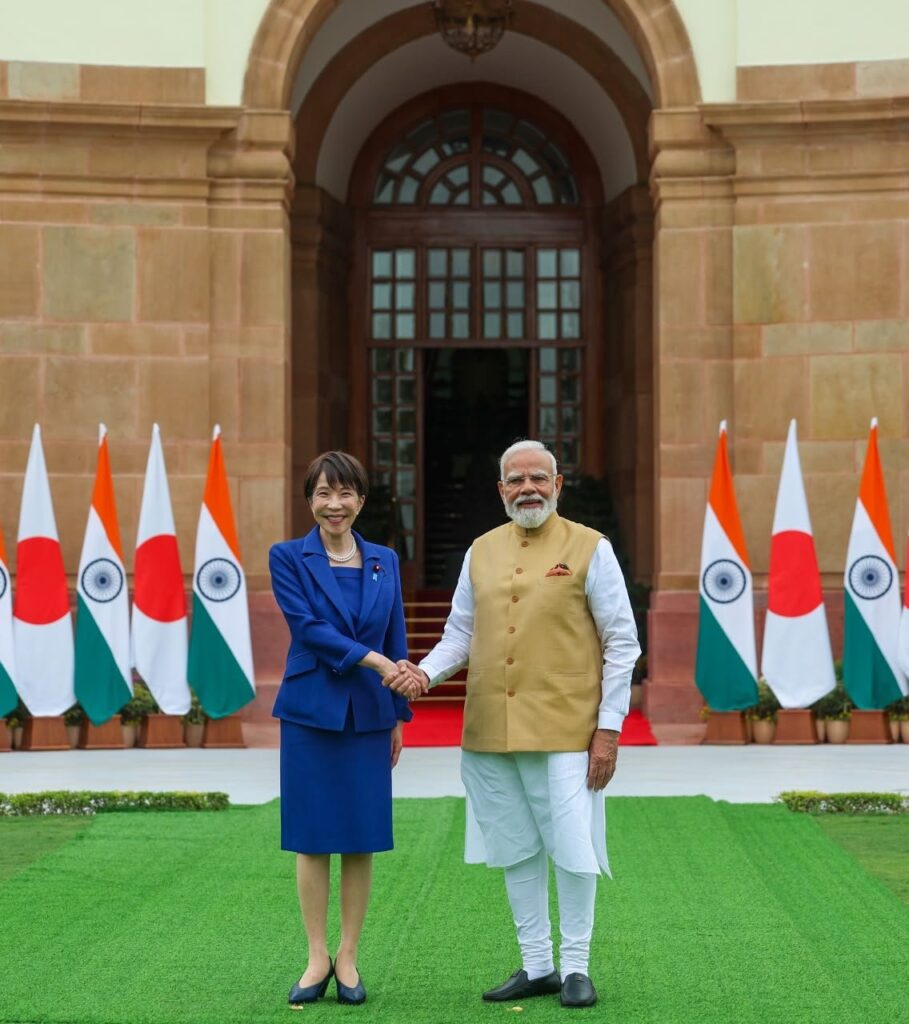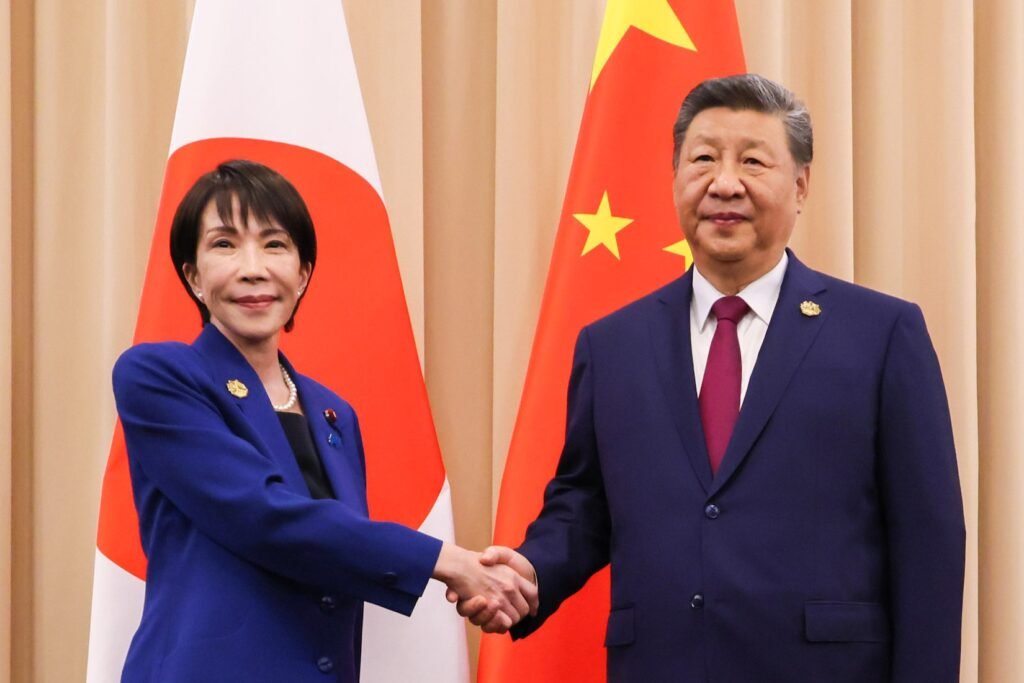
Tensions between China and Japan have escalated following Japanese Prime Minister Sanae Takaichi’s statement in parliament that “the use of force in Taiwan could potentially be a life-threatening situation”, which could permit the deployment of Japan’s Self Defense Forces (JSDF). This drew a sharp reaction from China, which said the remark crossed a red line, given that Taiwan’s reunification is a core national interest. Takaichi’s statement appears to continue the late PM Shinzo Abe’s view that a Taiwan emergency is a Japanese emergency, and therefore an emergency for the US-Japan alliance. Former PM Fumio Kishida had maintained deliberate ambiguity on the issue, insisting that “a comprehensive assessment” would be required, while former PM Shigeru Ishiba, during a meeting with President Xi Jinping, focused instead on issues such as seafood import bans, citizen safety, and maritime activity. Xi, however, used the opportunity to remind Japan to “properly handle” issues of history and Taiwan.