

January 2026 will begin with the continuation of established confidence-building measures between India and Pakistan. On 1 January, both nations are expected to exchange their annual lists of nuclear installations and facilities under the 1988 Agreement. This practice, unbroken since 1992, signals a baseline commitment to risk reduction despite the bilateral tensions observed in 2025. Simultaneously, the two sides will exchange lists of civilian prisoners and fishermen in accordance with the 2008 Agreement on Consular Access. This biannual exchange provides a framework for humanitarian dialogue, as India continues to advocate for the early repatriation of, and consular access for, its detained nationals.
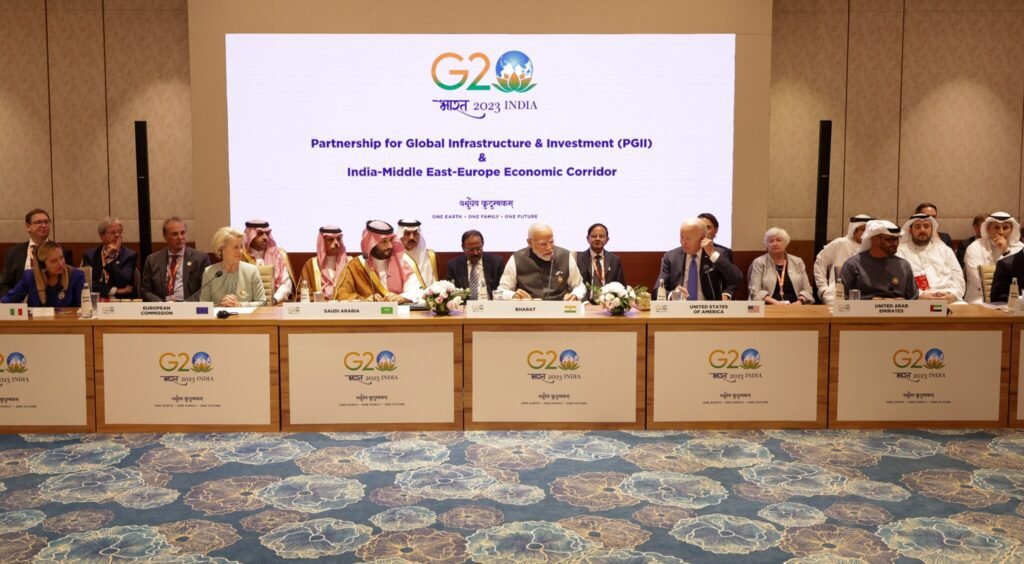
The first half of the month will be devoted to diplomatic preparations for high-level engagements surrounding Republic Day on 26 January. European Commission President Ursula von der Leyen and European Council President António Costa are reported to be the chief guests, underlining New Delhi’s strategic priority to deepen ties with the European Union. These late-January diplomatic engagements are expected to focus on advancing actionable outcomes in trade, technology, and security cooperation.
Economic diplomacy is set to gather momentum by mid-month as India and Australia enter the next round of negotiations to expand their existing trade pact into a Comprehensive Economic Cooperation Agreement (CECA). The talks are expected to prioritise services trade, investment frameworks, and cooperation in critical minerals, reflecting growing economic and strategic convergence within the Indo-Pacific.
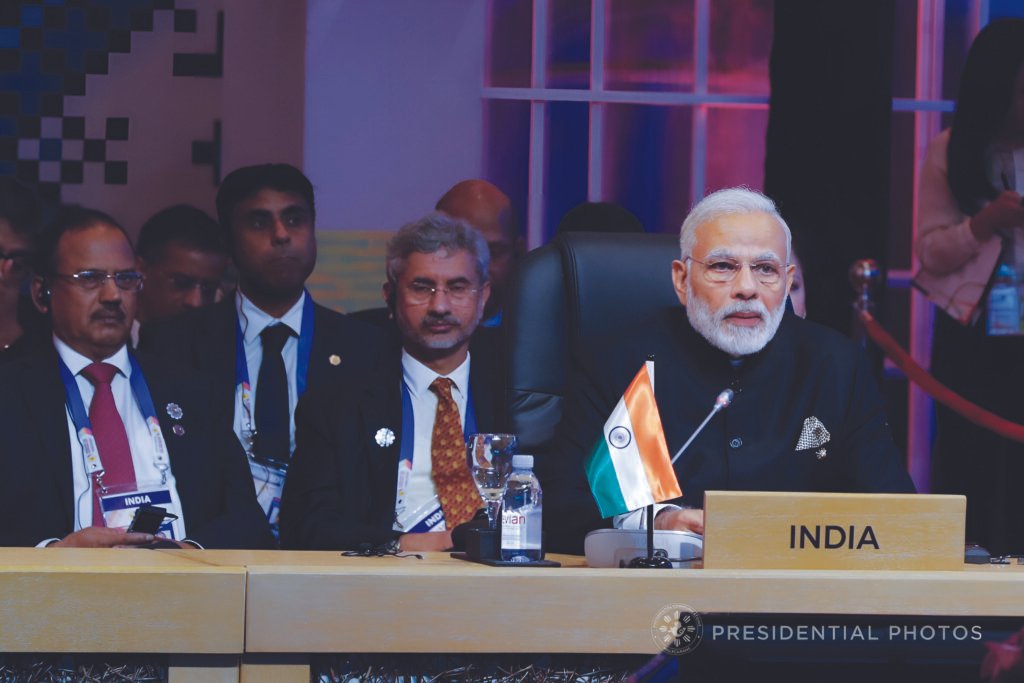
India will officially assume the BRICS chairmanship on 1 January 2026, taking over the rotating presidency from Brazil. Setting the stage for the 18th BRICS Summit later in the year, New Delhi is expected to frame its presidency around strengthening economic cooperation, advancing global governance reform, and amplifying the voice of the Global South. Drawing on the model of its G20 presidency, India is also likely to organise a series of large-scale, pan-India engagements aimed at positioning BRICS as a more action-oriented platform.
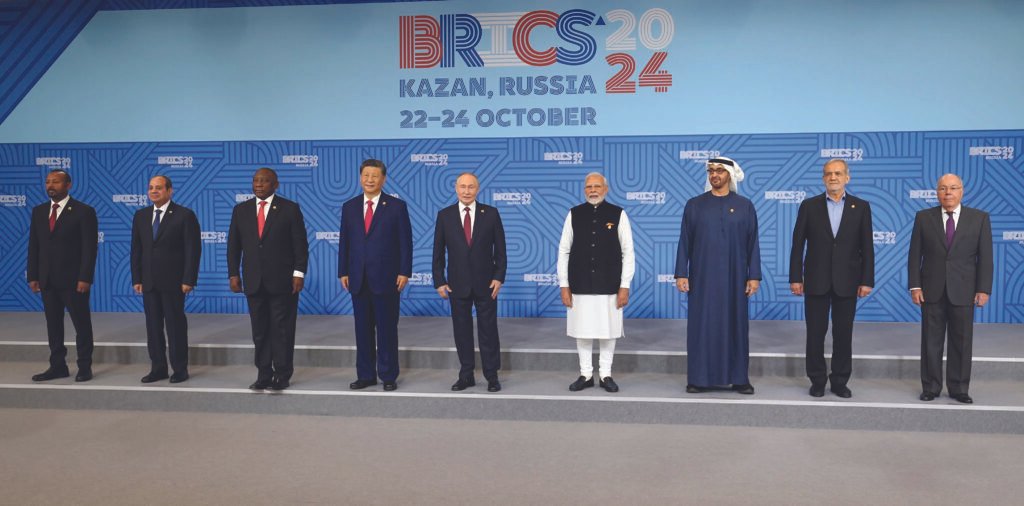
In parallel, preparations will intensify for the India AI Impact Summit scheduled for 19–20 February. January will see a focus on outreach regarding AI governance, ethical standards, and capacity building for emerging economies. The month also marks the official commencement of the ASEAN-India Year of Maritime Cooperation 2026, a major initiative announced by Prime Minister Modi during the 2025 summit. January is expected to see the ceremonial launch of this thematic year, signalling a strategic pivot toward the Blue Economy, joint naval exercises, and maritime domain awareness. Ultimately, the month will be characterised by compliance, humanitarian engagement, and strategic positioning as India sets its global agenda for 2026.