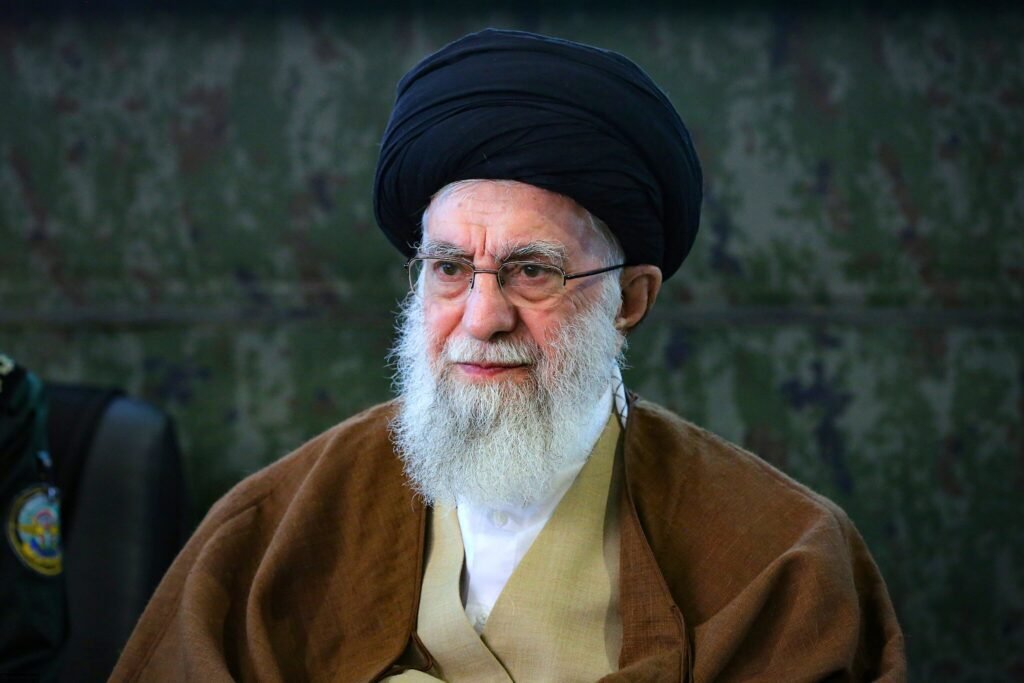
History arrives without fire alarms and prior warnings. The occasions that reshape the world and its order(s) rarely come with the clarity that is often assigned to them in textbooks – clean, neat and linear. On the night of 28 February 2026, while at a conference in Bangalore, I heard about the American and Israeli attacks on Iran, and then the news came through that Ali Khamenei was dead. I couldn’t shake off the strong feeling that something big and consequential had just shifted. The Middle East – the ancient theatre of great empires, even greater prophets, and great power ambitions – has been reordered many times before: after the Ottoman Empire collapsed in 1918, with the discovery of oil, the creation of Israel, the 1979 Iranian revolution, and the 2003 American invasion of Iraq. Each was called a turning point at the time. And each truly was.
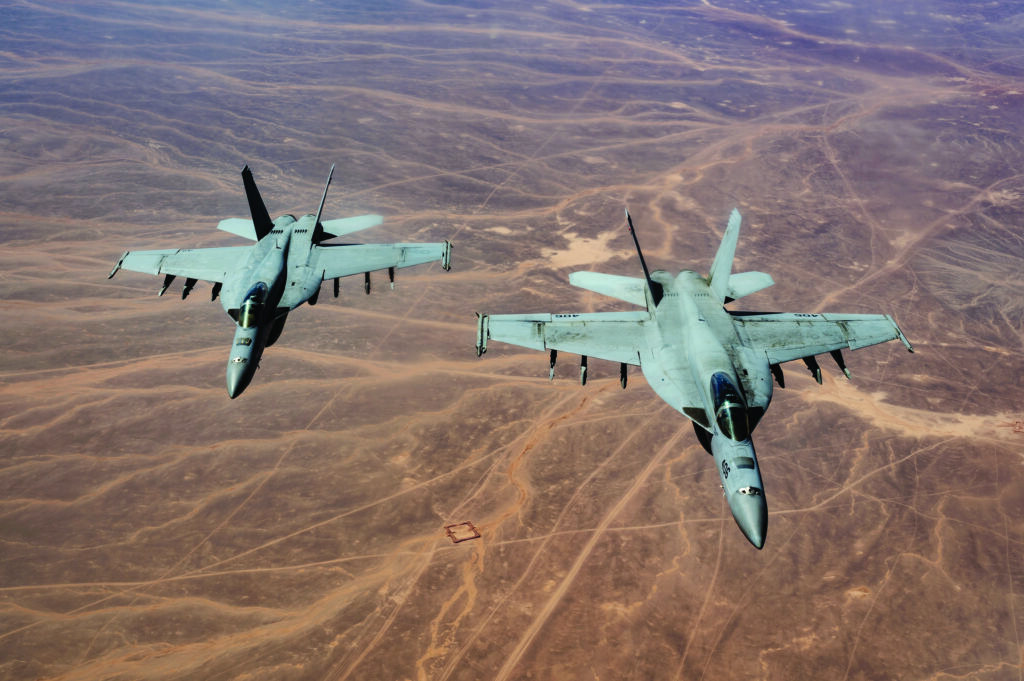
I think what happened last Friday (28 February 2026) belongs in that company of momentous historical events. Iran’s Supreme Leader, Ayatollah Ali Khamenei, chose to get killed in his home without trying to escape, thereby sending out the message of martyrdom to his followers. A near-nuclear state has been struck by the world’s most powerful military. The rules of diplomatic engagement were publicly discarded. And the institutions the world built, led by the US, after 1945 to prevent exactly this kind of moment, simply watched it happen. To be fair, the UN chief did issue a statement, even if no one even bothered to read it.
For India, located at the intersection of the Middle East, Central Asia, and the Indo-Pacific, bound to the restive region by energy, diaspora, and trade, and navigating a world in which America remains supreme but is no longer reliable or responsible, none of this is some history unfolding in a distant land. India must now think through, clearly and urgently, what this means and how the geopolitics of the region will shape up in the months and years to come.
For India, which does not share America’s desire for regime change but has strong interests in Persian Gulf stability and has enjoyed warm relations with Tehran, this war is closer to home than it looks: one in which we have no direct role but one that will affect its interests. Here are 13 quick reflections to make sense of what is happening in Iran and what it means for international politics.
1. The Futility of Diplomacy in the Age of Trump
The Israeli Ministry of Defence openly confirmed that the operation against Iran had been planned for months, with the start date set just weeks ago. Interestingly, those weeks coincided with American and Iranian negotiators meeting in Geneva, with Oman mediating, aiming for a nuclear agreement. These talks were not a failed peace effort but a cover for a military timeline already decided. Oman also expressed disappointment: “I am dismayed. Active and serious negotiations have yet again been undermined,” said Omani Foreign Minister Badr Albusaidi.
This is now a diplomatic fact of the Trump era, and it goes beyond what just happened in Iran. Unlike what diplomacy is supposed to do, the Geneva talks were used as a tactic to keep the adversary engaged, manage international appearances, and buy time for military plans. Well, it’s not that diplomacy failed; in fact, it was never meant to succeed. Diplomacy was used as deception in this case. The lesson Pyongyang, Islamabad, Beijing, and even New Delhi might learn is that diplomacy with Trump’s Washington could just be theatre and deception.
A militia that answers to Khamenei is perhaps more easily controllable than one that answers to no one. The Gulf states, which quietly welcomed Iran’s defanging, could now face the challenge of ungoverned Shia armed groups across the region with little to hold them back
2. The Pakistan-Saudi Pact: Much Ado About Nothing
When Pakistan and Saudi Arabia signed the mutual defence pact last year, it caused a lot of concern and anxiety in New Delhi. Clearly, a formal mutual defence agreement between a powerful Sunni monarchy and India’s nuclear-armed neighbour-adversary was not something India could ignore. But it is fair to say that concern has now been settled by events. Iran struck Saudi territory directly, and Pakistan did nothing. To be fair, a few days earlier, when the Taliban and Pakistan were openly fighting a war, the Saudis didn’t come to Islamabad’s aid either. So let’s say that the Pak-Saudi pact has been tested by real-life events and has been shown to be exactly what I had expected: a diplomatic gesture, not a real strategic commitment.
This shows something India has long known instinctively: signing defence agreements is easy, but honouring them is hard. Historically, India has avoided formal military alliances because they create obligations that can’t always be met and expectations that can backfire.
3. The Death of the Supreme Leader May Not Be the End of the Road for the Regime.
The killing of the 86-year-old Ayatollah Ali Khamenei, the Iranian Supreme Leader since 1989 and the architect of post-revolutionary Iran’s ideology for nearly four decades, is the single most consequential event of this war. But to believe that this ends the Iranian regime decisively may be an overzealous reading.
Iran’s constitution says that an interim leadership council is supposed to take power while the Assembly of Experts choose a new Supreme Leader. But such an orderly transition might not happen given the ongoing war. So, with no powerful and genuine alternatives with the ability to take over the reins in Tehran, the regime machine may end up reasserting itself. The IRGC, which is in control of vast economic and military assets, may have no interest in a transition that weakens its power. History offers some evidence of what might happen now: In Iraq and Libya, removing authoritarian leaders did not lead to the creation of a liberal democracy but state collapse, civil war, and forces far more hostile to stability than the regimes removed.
The talks were not a failed peace effort. They were a cover for a military timeline that had already been set. Well, it’s not that diplomacy failed; in fact, it was never meant to succeed
4. Middle East’s Headless Militias
Khamenei’s death may also have removed the religious and political anchor of Iran’s regional militia network, considering that Khamenei, as the Wali al-Faqih or the Supreme Jurist, provided religious authority to groups like Hezbollah. With that authority now gone and no clear successor, the Axis of Resistance faces an existential crisis but will not disappear easily. Hezbollah, already weakened after Nasrallah’s killing in 2024, is a militia unsure of its future. The Iraqi PMF could split along local interests, with some escalating violence on their own and others focusing on domestic power struggles. The Houthis resumed Red Sea attacks within hours of the strikes.
This might eventually become the strategic miscalculation Israel and Washington may come to regret. Dismantling the head of a network does not dismantle the network; it decentralises it, and the splintered groups might take shapes and forms not easily controllable. Al-Qaeda after bin Laden, the Taliban after Mullah Omar are great examples to show that decapitation of terrorist and militant organisations fragments them into autonomous, less controllable cells. A militia that answers to Khamenei is perhaps more easily controllable than one that answers to no one. The Gulf states, which quietly welcomed Iran’s defanging, could now face the challenge of ungoverned Shia armed groups across the region with little to hold them back.
5. Gaza Goes Dark
The political and humanitarian tragedy in Palestine has often been overshadowed by bigger regional conflicts, and the Iran war could do just that in the days ahead. Israel’s strategy was that removing Iran would cut off support for Hamas and the wider resistance. While that is debatable since the Palestinian national cause doesn’t rely on Iranian funding, in global media, diplomacy, and the Security Council focus, Gaza is already off the radar. The questions of justice and humanitarian tragedy remain, but the world’s attention has moved on.
Dismantling the head of a network does not dismantle the network; it decentralises it, and the splintered groups might take shapes and forms not easily controllable
6. The Offshore Superpower: Power Without Consequences
The United States has mastered the art of war without consequences at home, which has made it more willing to go to war. The bombs fall somewhere else, and the human and material cost of war is paid by someone else. On top of that, no international law or Security Council resolution can stop American actions, whether in Venezuela or Iran.
We have seen this play out in Iraq, Libya, Syria, and Afghanistan. The script is consistent: the US acts, the region absorbs the cost, the US eventually disengages, and the space left behind is occupied by forces more hostile to stability than the regimes that were removed. There is simply no historical reason to believe Iran will be different. The consequences will be borne by Iran’s neighbours, including India.
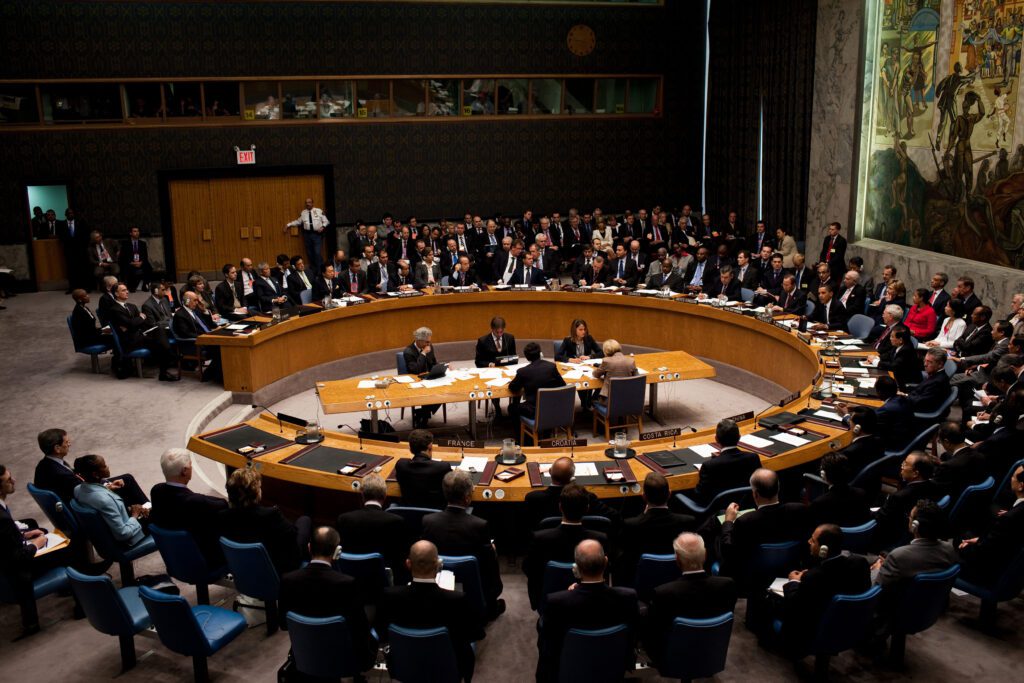
7. The UNSC is Dead, and the Board of Peace is Dead on Arrival.
France called for an emergency Security Council session on Iran. The outcome was predictable and revealing: the United States blocked any resolution critical of the strikes, while Russia and China blocked anything Washington supported. The Council issued a statement, but the war went on. Let’s be clear: an institution meant to ensure global security, where the five countries most likely to start wars also have the power to block any action, is not a true “security council” but a veto club. This may be one of the final nails in the UNSC’s coffin.
What makes this worse is that no alternative institution is ready to step in. The NPT regime, meant to prevent nuclear proliferation, has failed badly. The ICJ issues rulings that no one enforces or targets only weak players. The General Assembly passes resolutions that few pay attention to anymore. There is no effective international body with the authority, will, or power to act when a permanent Security Council member chooses to go to war, justified or not. None. The world is, quite literally, on a short fuse today.
8. China: The Superpower That Merely Watches
As missiles rained down on Iran, China, a close partner of Tehran, only said it was “highly concerned” and called for an end to the fighting. That was it. When Russia invaded Ukraine four years ago, China called for peace while supporting Moscow economically. When Israel bombed Gaza over a year later, China made statements but did nothing to stop the violence. Now, China is watching again.
This pattern reveals a clear strategy adopted by Beijing: it maximises its options by minimising its commitments. Standing by Iran in good times maximises its energy and geopolitical options, but doing so when Iran is down costs Gulf relationships that it needs for oil. China seeks to benefit from geopolitical contradictions by simply refusing to act. But a power that aspires to lead a multipolar world, and is a near superpower, but refuses to lead in any crisis, cannot be an alternative pole in world politics. Thus, the smaller and middle powers hoping for a counterweight to American unilateralism will soon discover that China offers little global leadership.
9. American Hegemony: Real, But Increasingly Brittle
The attacks on Iran and the strike in Venezuela show that American military supremacy is clear. No other country could carry out such precise, well-planned strikes. But let’s be clear: this is an overwhelming force used against a much weaker, sanctions-hit adversary with no nuclear weapons and no ability to threaten the US homeland. That’s not a military victory worth boasting about.
It’s also important to note that Washington avoids confronting powerful countries like China or Russia. Its decision not to fully back Ukraine against Russia has sent a message to its Asian allies. Many of America’s allies now believe that if a conflict over Taiwan arises, the US might not come to defend the island against a strong Chinese military.
Diplomacy was used as deception in this case. The lesson Pyongyang, Islamabad, Beijing, and even New Delhi might learn is that diplomacy with Trump’s Washington could just be theatre and deception
10. Connectivity Woes
The Strait of Hormuz, which carries 20% of the world’s oil and a third of its LNG, is now a conflict zone, and Iran has reportedly closed it. Even a partial disruption of this route sends energy prices soaring, especially for countries like India. India’s Chabahar port plans and the billion dollars invested there could be at risk.
The IMEC corridor, which has grand plans to link India through the Gulf to Europe via Israel, now faces an entirely new regional reality. New geopolitical developments could undo the economic geography IMEC was designed for. While the American companies will benefit from the spoils of war and reconstruction, China, with its own deep pockets, will benefit too. India has neither the financial firepower nor the institutional framework to compete at scale. This is something to think about in the days ahead.
11. India’s Response: The Art of the Balanced Message
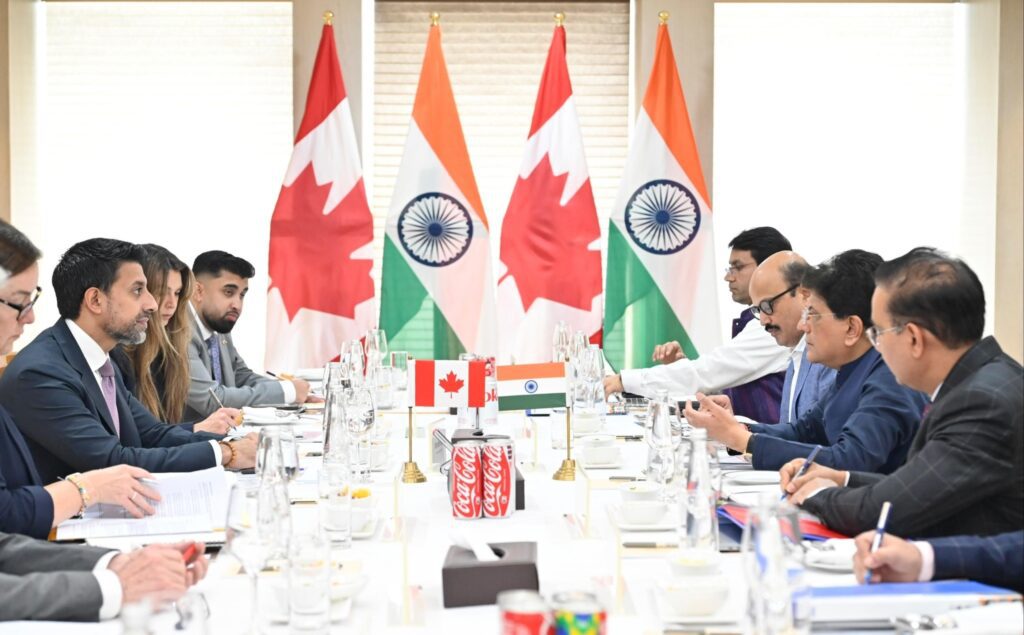
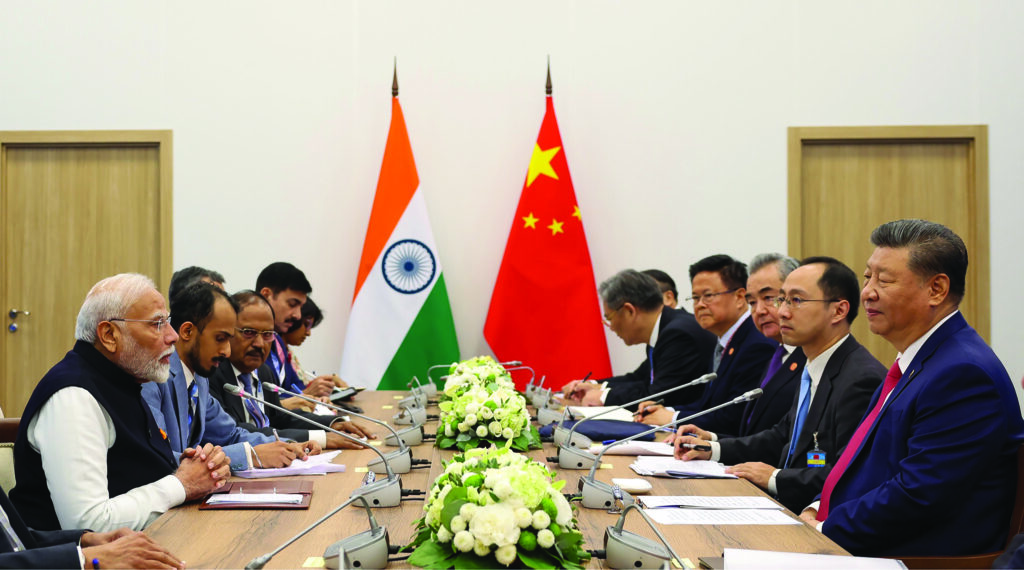
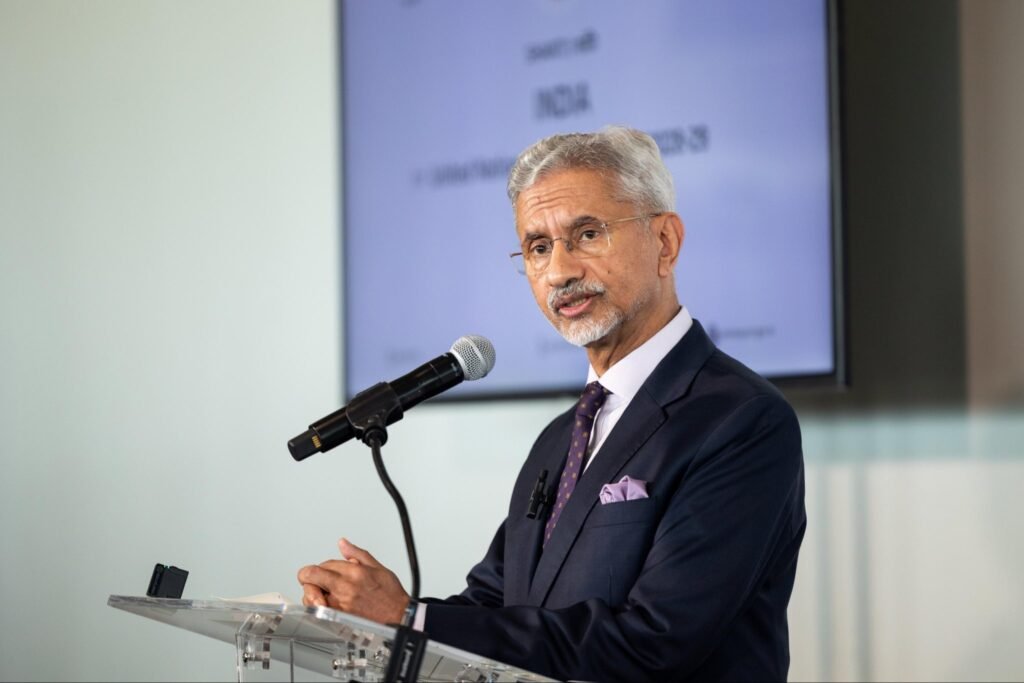
Foreign Minister Jaishankar acted quickly. Within hours of the strikes, he called Israeli FM Gideon Sa’ar, repeating India’s call for “dialogue and diplomacy to de-escalate tensions.” That evening, he called Iranian FM Seyed Abbas Araghchi, expressing India’s “deep concern at the recent developments.” Two calls, two warring sides, but one message: India is not taking sides.
MEA spokesperson Randhir Jaiswal posted the official statement: “India is deeply concerned at the recent developments in Iran and the Gulf region. We urge all sides to exercise restraint, avoid escalation, and prioritise the safety of civilians. Sovereignty and territorial integrity of all states must be respected.”
That last sentence is the most important part of India’s statement. It doesn’t name the United States or Israel. But by invoking sovereignty and territorial integrity in the context of a military strike on a UN member state, India sends a clear diplomatic message. In other words, India signals, without saying it outright, that it sees the strikes as violating international law. Equally notable is what India didn’t say: when Iran retaliated by striking US bases in Qatar, Kuwait, the UAE, Bahrain, and Saudi Arabia, India said nothing specific about those attacks. Was self-defence the reason for that silence? I don’t know.
12. Delhi Three-Way Tightrope
India is trying to manage three relationships pulling in different directions at once. The United States, despite Trump, remains India’s key security and technology partner and the anchor of the Quad and Indo-Pacific. So openly criticising American military action isn’t politically or strategically wise. Israel is a close defence partner and source of critical military technology, especially when Delhi faces military challenges. Iran is a regional neighbour with whom India has strong relations, connectivity through Chabahar, and deep cultural ties, and which is a key alternative oil supplier to the Gulf.
There is no way Delhi can reconcile these three pulls, and from Jaishankar’s phone calls and tweets, it appears that India is not trying to reconcile them either. It is keeping all three doors open and treating each relationship on its own merit.
Al-Qaeda after bin Laden, the Taliban after Mullah Omar are great examples to show that decapitation of terrorist and militant organisations fragment them into autonomous, less controllable cells
13. What Next: Transition, Continuity, or Collapse?
From where I sit in Delhi, the most important question in the coming weeks isn’t military but political: what will happen to Iran, and who will take charge?
The first scenario is regime continuity. The IRGC and the clerical establishment close ranks, the Assembly of Experts selects a successor, and the regime survives. It could be a more militant, more unpredictable Iran with wounded pride and, with more youngsters in its ranks, seeking to take revenge and accelerate whatever remains of its nuclear programme in underground facilities that survived the strikes.
The second scenario is a managed transition toward reformist leadership led by those long arguing for engagement with the world using the succession crisis to take the country in a different direction. This is what Washington and Jerusalem would hope for. As of now, it is the least likely, given that the IRGC controls the muscle, the money, and the street militias that enforce order. And it is highly unlikely that America will deploy boots on the ground to change that equation as it once did in Iraq.
The third scenario, and by far the most dangerous one, is fragmentation: a succession crisis the regime cannot manage, combined with active bombardment, growing anger among an already unhappy population, and long-suppressed demands for change, producing not a new government but prolonged internal conflict. Also consider the possibility of warlordism, regional separatism among Iran’s Kurdish and Baloch minorities, and competing armed factions. All this would be catastrophic for regional stability, global energy markets, India’s diaspora, and any prospect of resolving the nuclear question.
Delhi must start considering each scenario now, as all have major implications for India. For now, New Delhi should quietly reach out to Tehran, whoever is in charge, and use any back-channels still open to stay in touch. Staying in touch is the option for now.
The world is holding its breath to see what Iran becomes. So is India.