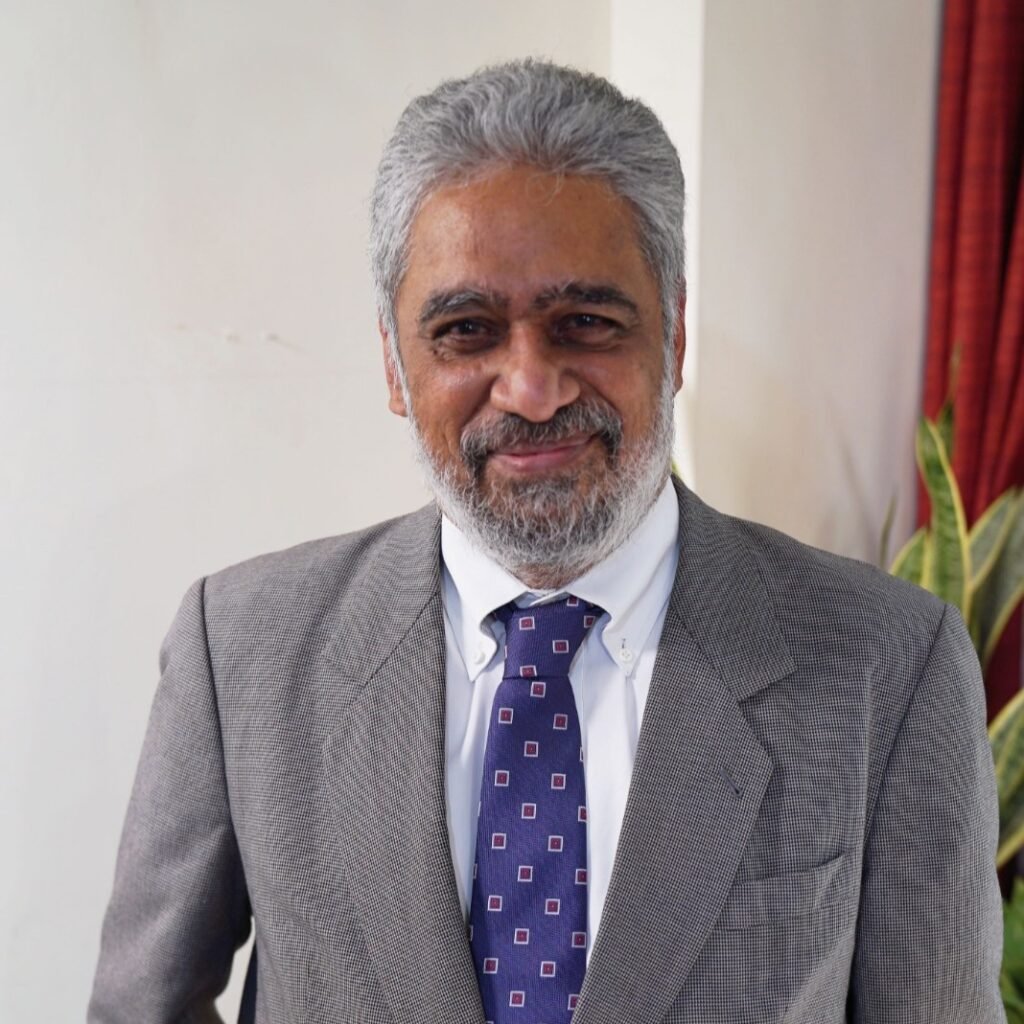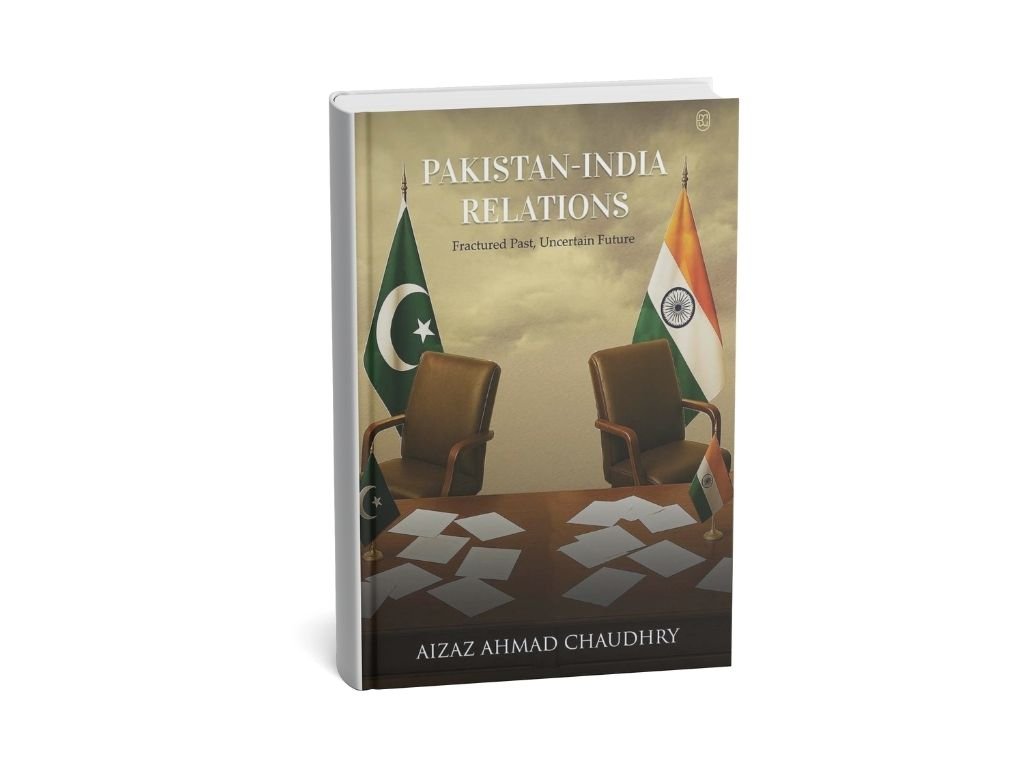
Pakistan-India Relations: Fractured Past, Uncertain Future by Ambassador Aizaz Ahmad Chaudhry is part history lesson, part diplomatic memoir, and part reminder of how the same subcontinent can generate sharply different worldviews. Chaudhry, who served Pakistan for nearly four decades and rose to become Foreign Secretary and ambassador to Washington, writes not as an academic at a distance but as a practitioner shaped by negotiations, crises, and missed handshakes. This is not an abstract book; it is a story told by someone who has lived the fraught rhythm of India–Pakistan relations from the inside.
The central argument is simple yet weighty: geography and history have trapped India and Pakistan in a relationship they cannot escape. Partition, wars, and nationalism continue to cast long shadows, and the unresolved questions of 1947 still haunt South Asia in the 2020s. Chaudhry’s prose is notably accessible, steering clear of jargon while guiding readers from the pre-Partition era to contemporary flashpoints. He neither sings odes to peace nor indulges in outright demonisation, and that restraint is one of the book’s strengths. Even when recounting the 1947–48 Kashmir war, he acknowledges its inconclusive end and the way it left both countries locked into rival narratives rather than clean resolutions.
For Chaudhry, Kashmir remains the core obstacle. He places it first among what he calls the impediments to normalisation, criticising India’s hardened position and arguing that moves such as the abrogation of Article 370 in 2019 have deepened mistrust. From his perspective, India’s reluctance to revisit UN resolutions or restore meaningful self-rule has frozen the dispute in time. An Indian reader, however, cannot ignore the counterpoint. New Delhi’s position—that Jammu and Kashmir is an integral part of India—sits uneasily with Chaudhry’s framing. The book reflects Pakistan’s long-standing call for plebiscites or external mediation, an approach India firmly rejected after 1972. Here, the fracture in perspectives is sharp and unresolved, much like the valley itself.
On terrorism, Chaudhry questions what he sees as India’s tendency to deploy “cross-border terrorism” as a political narrative, urging joint mechanisms and accountability instead of perpetual blame. While his appeal for cooperation sounds reasonable on paper, it clashes with Indian lived experience. The Mumbai attacks of 2008 and the Pulwama bombing of 2019 are not rhetorical devices; they are scars. For Indian policymakers and citizens alike, terrorism linked to Pakistan-based groups is a documented security threat, not merely a bogey. Dialogue, in this view, cannot substitute for demonstrable action.
The book is at its most persuasive when it argues for engagement, highlighting confidence-building measures, nuclear risk-reduction agreements, trade, and initiatives like the Kartarpur Corridor to suggest that cooperation is not impossible. Chaudhry’s reminder that neighbours cannot be changed, only managed, carries weight—even if an Indian reader cannot miss what is underplayed: how often dialogue has collapsed under the strain of violence and instability across the border. The book is worth reading for its measured tone and diplomatic insight, offering a window into Pakistan’s worldview while reaffirming why India’s concerns over sovereignty and security remain firm.