The war in Europe, accelerating geoeconomic fragmentation, and renewed uncertainty in Washington are forcing Germany to rethink many of the assumptions that underpinned its post–Cold War foreign and economic policy. Although this reassessment has yet to crystallise into a single, coherent doctrine, Berlin is increasingly responding through a set of calibrated adjustments. Central to this evolving approach is a growing recognition that Germany must widen its diplomatic, economic, and defence partnerships beyond familiar frameworks, even as Europe’s immediate security focus remains firmly anchored in Ukraine.
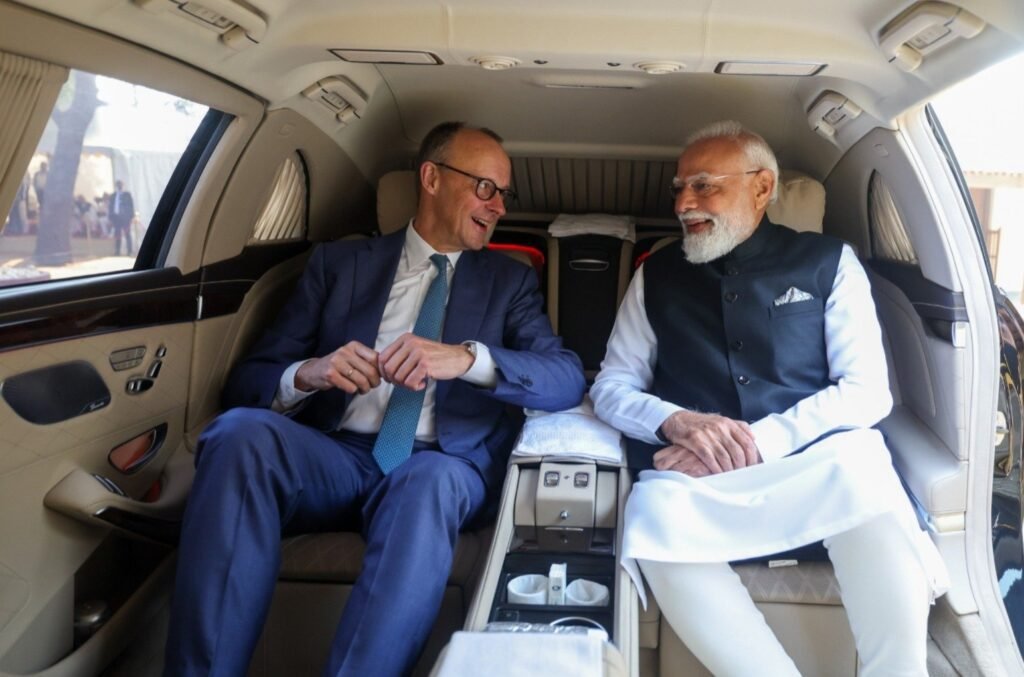
India has assumed growing significance within this recalibration. As a major power that combines economic dynamism, technological ambition, and strategic autonomy, India occupies a pivotal position in an increasingly fragmented and multipolar international system. Chancellor Friedrich Merz’s decision to prioritise India early in his 2026 travel calendar reflects this shift in strategic thinking. In this interview, Christoph P. Mohr, Country Director of the Friedrich-Ebert-Stiftung (FES) in India, speaks to India’s World about the evolving India–Germany Strategic Partnership, defence cooperation, transatlantic uncertainty, India’s position on Ukraine, and the changing role of track-two diplomacy in an era of heightened geopolitical tension.