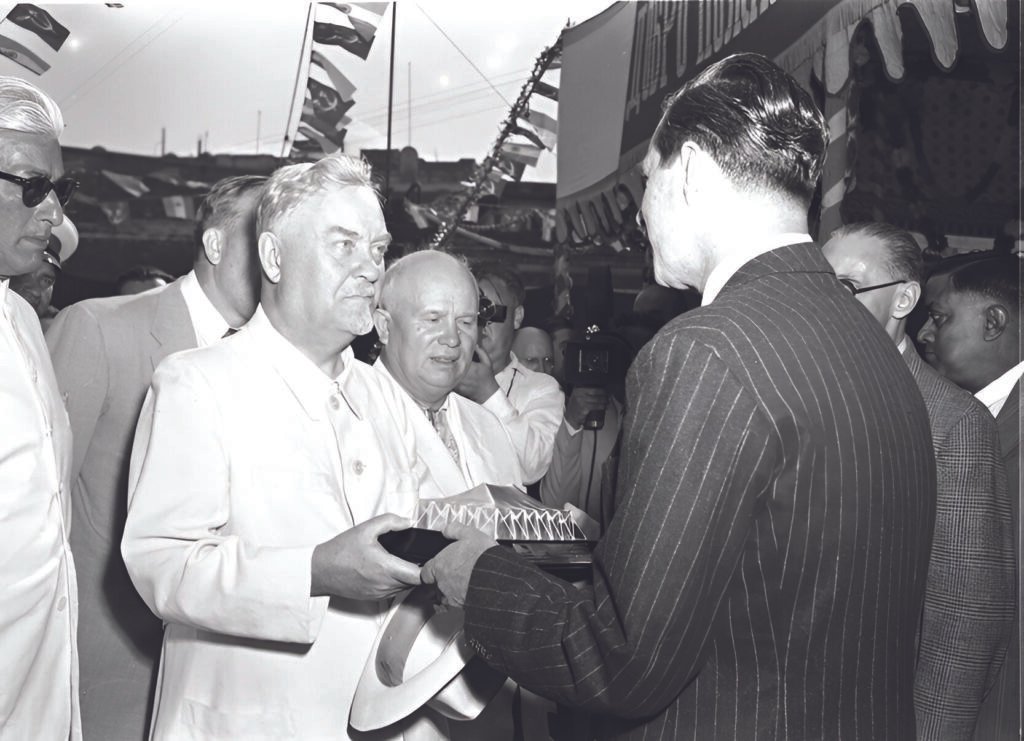
For decades, Soviet books circulated in vast numbers across India, reaching schools, homes, bookshops, cinema halls, and political movements, and shaping how generations read, learned science, imagined justice, and understood the world. This literary circulation sustained a dense cultural ecosystem linking readers, translators, publishers, and institutions across languages and regions. With the collapse of the Soviet Union, that ecosystem was shattered, leaving behind fragments and memories rather than the scale, intimacy, and confidence of the earlier exchange.
When critic Vissarion Belinsky urged Russian writers to move on from Romanticism to Realism, he set in motion a literary tradition that would have a lasting global impact over the world of letters, including India. From 19th century realists (Gogol, Tolstoy, Dostoevsky, Turgenev, Chekhov) through early 20th century modernists (Blok, Mayakovsky, Yesenin) to 20th-century socialist realists, Russian literature created enduringliterary types—the ‘small man’, the ‘superfluous man’, the ‘underground man’—whose moral depth and social probing resonated in India. Gorky’s Mother (1906), Gladkov’s Cement (1925), Sholokhov’s And Quiet Flows the Don (1928), and others became not just translated titles but part of Indian reading cultures and political imagination.