India–Russia relations represent one of India’s longest and most resilient bilateral partnerships, spanning Tsarist, Soviet, and post-Soviet eras. From early commercial and cultural contacts, through ideological and political engagement by Indian revolutionaries and freedom fighters after the Bolshevik Revolution, to sustained Cold War cooperation and post–Cold War recalibration, the relationship evolved into one of India’s most enduring partnerships, shaping nationalist thinking and elite perceptions of the world. During the Cold War, when India was firmly committed to the principles of non-alignment, Moscow emerged as a key partner, offering diplomatic backing, defence supplies, and technical assistance for industrial development. This timeline highlights the most important diplomatic, political, and strategic milestones that have shaped the relationship, from early exchanges and Soviet-era cooperation to contemporary defence ties, energy trade, and geopolitical coordination.
Early Contacts and Anti-Colonial Engagements (1467-1947)
1467: Russian traveller Afanasi Nikitin visits India, decades before European colonial contact.
1598-1605: Indian traders establish strong ties with Russia; Tsar Boris Godunov grants protection to Indian merchants in Russia.
1900: The Russian consulate opens in Bombay.
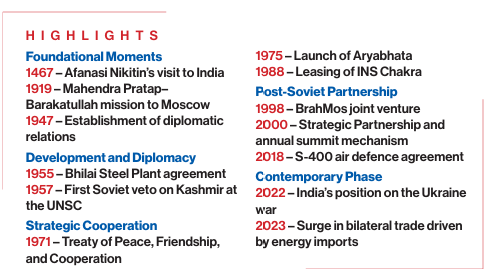
1919: Raja Mahendra Pratap and Mohamed Barakatullah Bhopali, the first President and Prime Minister of India’s Provisional Government in Kabul, visit Moscow to meet Lenin.
1927: Jawaharlal Nehru visits the USSR on the 10th anniversary of the Bolshevik Revolution.
Diplomatic Foundations and Developmental Cooperation (1947-1964)
1947: India and the Soviet Union formally establish diplomatic relations on April 13, making it one of India’s earliest diplomatic engagements.
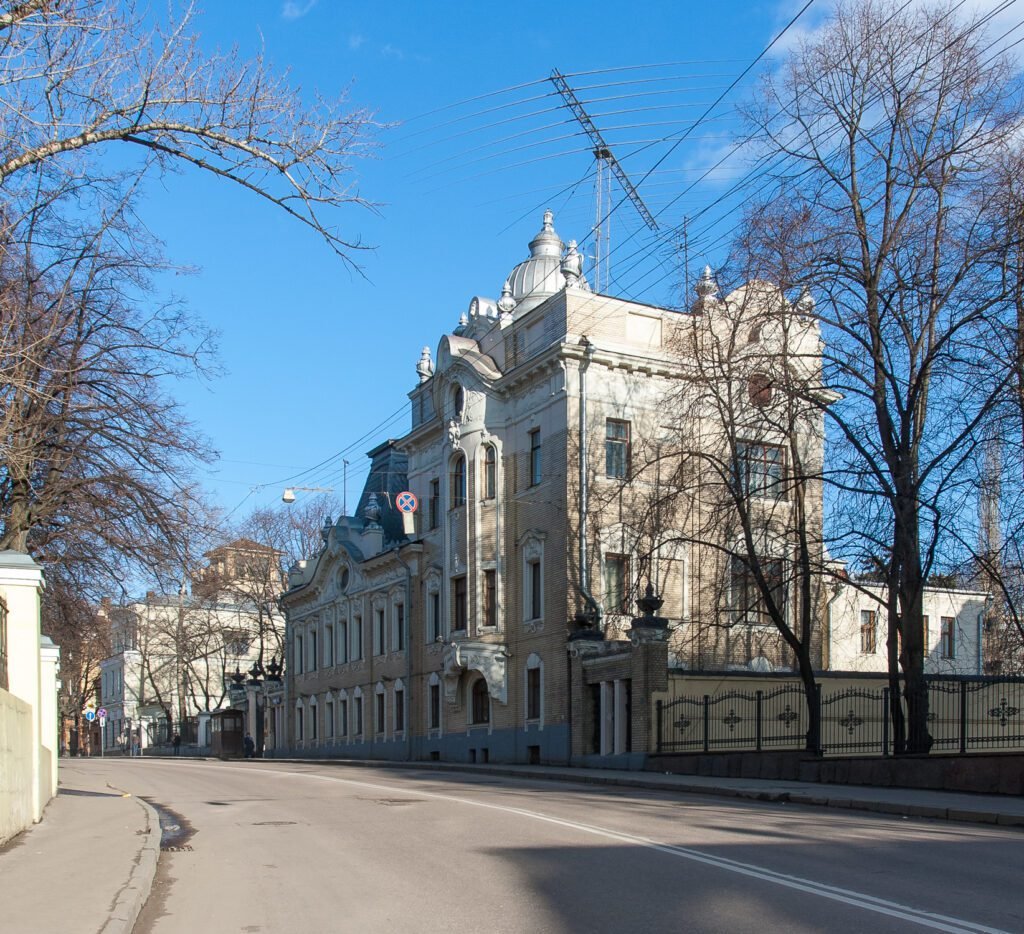
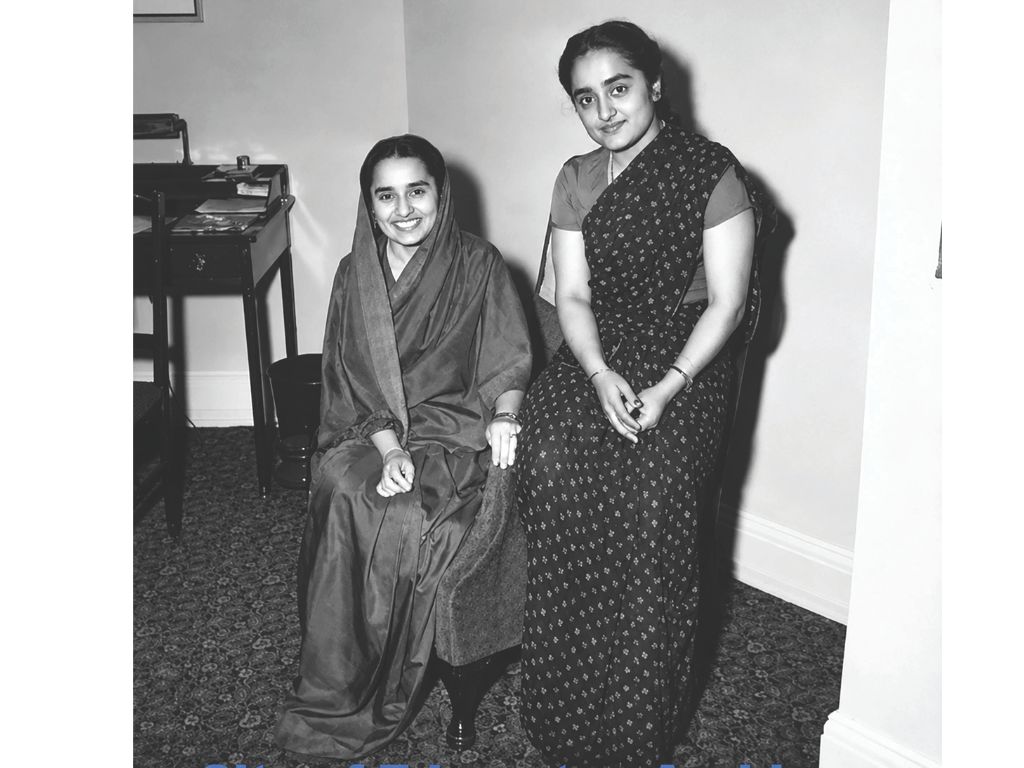
1947: India opens its embassy in Moscow; Vijaya Lakshmi Pandit becomes India’s first ambassador to the USSR.
1950: Indian Ambassador S Radhakrishnan meets Joseph Stalin, the first such meeting between Indian and Soviet leadership.
1955: The USSR agrees to assist India in building the Bhilai steel plant, marking the beginning of large-scale industrial assistance; Prime Minister Nehru visits the USSR, followed by Nikita Khrushchev and Nikolai Bulganin’s visit to India.
1957: The USSR vetoes a UN Security Council resolution on Jammu and Kashmir in India’s favour.
1961: The USSR votes against a UN Security Council resolution condemning India’s liberation of Goa.
1962: The USSR again vetoes a UN Security Council resolution on Kashmir, backing India.
1962: The Thumba Equatorial Rocket Launching Station is established, with the Soviet Union providing technical support, including tracking equipment and logistical assistance.
Strategic Convergence amid the Cold War (1965-1989)
1966: The Soviet Union mediates talks between India and Pakistan following the 1965 war, leading to the signing of the Tashkent Declaration.
1970: India and the USSR sign a meteorological cooperation agreement enabling the launch of Soviet M-100 sounding rockets from Indian facilities.
1971: India and USSR sign the Treaty of Peace, Friendship, and Cooperation, institutionalising strategic and defence cooperation during the India-Pakistan war.
1972: India and the Soviet Union sign an agreement for Soviet assistance in the construction and launch of India’s first satellite, at Soviet expense.
1975: Aryabhata, India’s first satellite, is launched aboard a Soviet Kosmos-3M rocket, marking a major milestone in bilateral space cooperation.
1981: The Soviet Union extends a $1.6 billion defence loan to India.
1986: Soviet President Mikhail Gorbachev visits India; the two sides sign the Delhi Declaration on a Non-violent and Non-nuclear World.
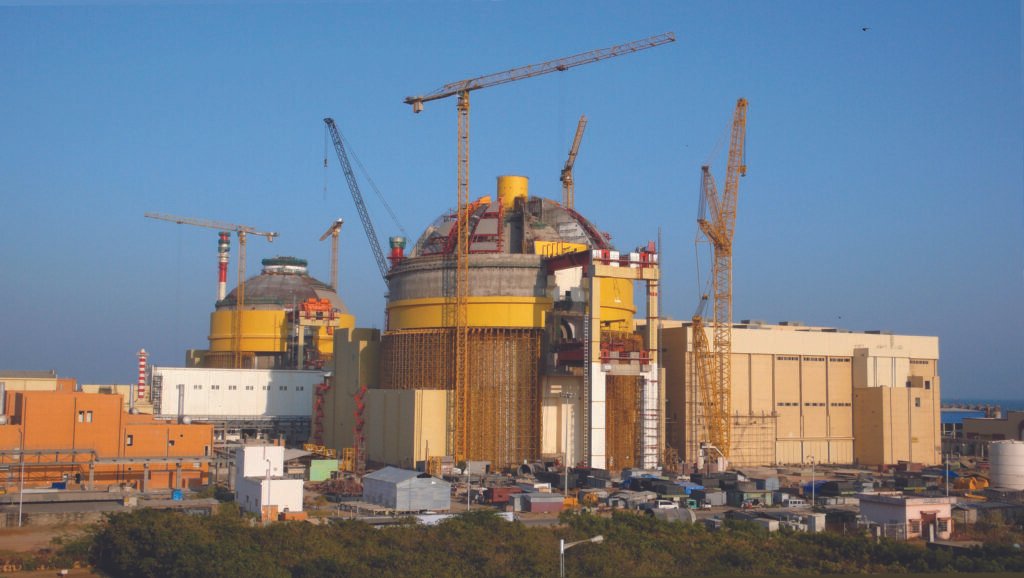
1988: Prime Minister Rajiv Gandhi visits Moscow; India and the Soviet Union sign an agreement on cooperation in the peaceful uses of nuclear energy, including the decision to build a nuclear power plant at Kudankulam.
1988: India leases its first nuclear-powered submarine, INS Chakra, from the Soviet Union, making it one of the few countries to operate a nuclear submarine.
Post-Soviet Reset and Strategic Partnership (1991-2025)
1991: In the final days before its collapse, the USSR supports a Pakistani proposal for a South Asian nuclear-free zone, marking a brief divergence from India’s position.
1993: Russian President Boris Yeltsin visits India; the two sides sign the Treaty of Friendship and Cooperation.
1996: India and Russia sign a landmark agreement for the supply and licensed production of Sukhoi Su-30 fighter aircraft.
1998: India and Russia establish BrahMos Aerospace as a joint venture to develop a supersonic cruise missile, marking a major step in bilateral defence technology cooperation.
2000: President Vladimir Putin visits India; the Declaration on Strategic Partnership is signed, and the annual India-Russia summit mechanism is launched.
2001: Prime Minister Atal Bihari Vajpayee visits Moscow; India and Russia sign an intergovernmental agreement to implement the Kudankulam Nuclear Power Project.
2010: India and Russia elevate ties to a “Special and Privileged Strategic Partnership.”
2018: India signs a deal with Russia to procure the S-400 Triumf air defence system, despite pressure from the United States.
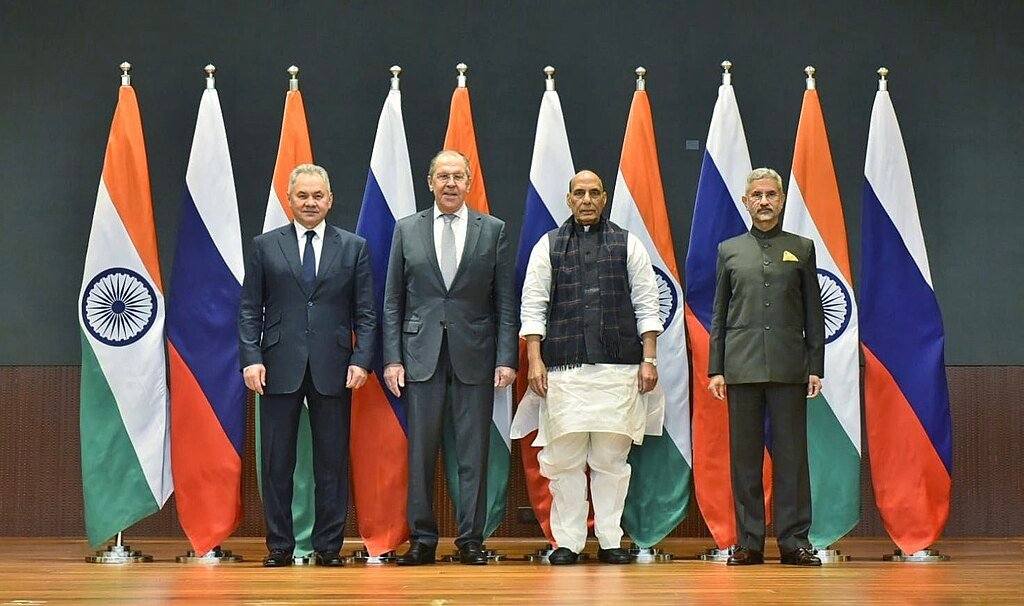
2021: President Putin visits New Delhi for the 21st annual summit; the inaugural India-Russia 2+2 Ministerial Dialogue is held.
2022: India maintains neutrality on the Russia-Ukraine war, continuing engagement with Moscow amid Western sanctions.
2023: Bilateral trade surges, driven primarily by discounted Russian oil imports.
2025: President Vladimir Putin visits New Delhi, reaffirming the continuity of high-level engagement.
India–Russia relations have evolved through changes in both the international system and domestic politics in each country. Their durability has rested on adaptation rather than continuity. As global power dynamics continue to shift, the future of the partnership will be shaped by how India and Russia redefine their interests.


1-1024x768.jpg)