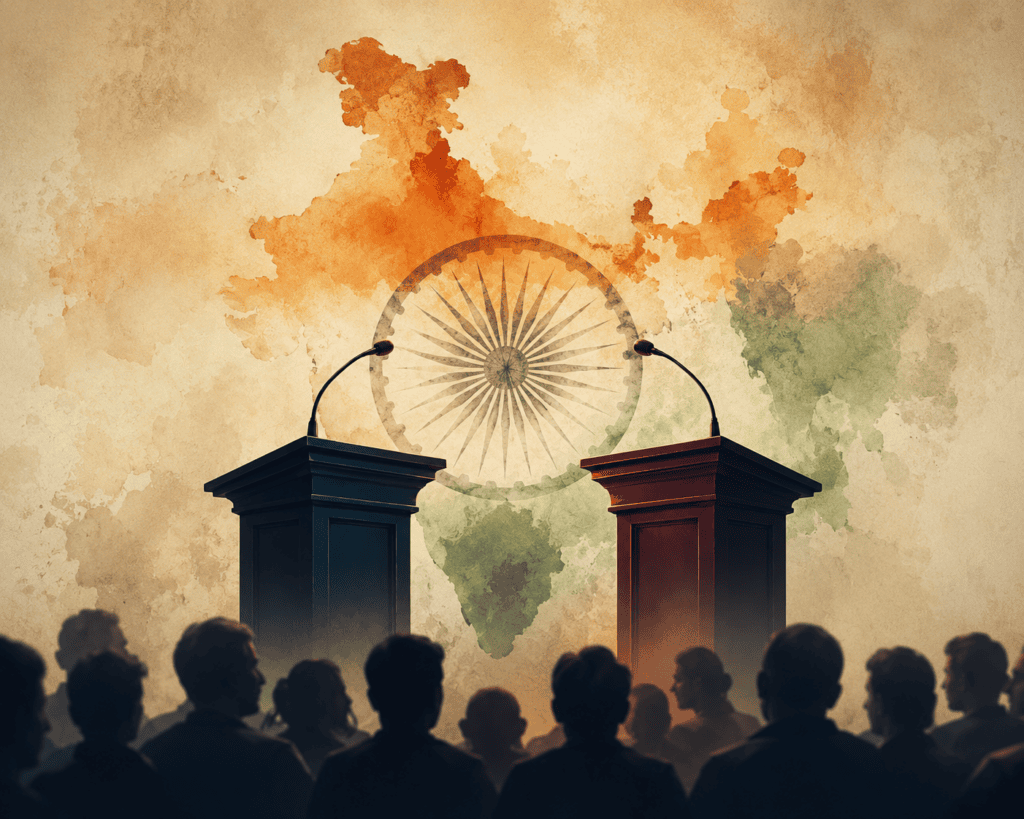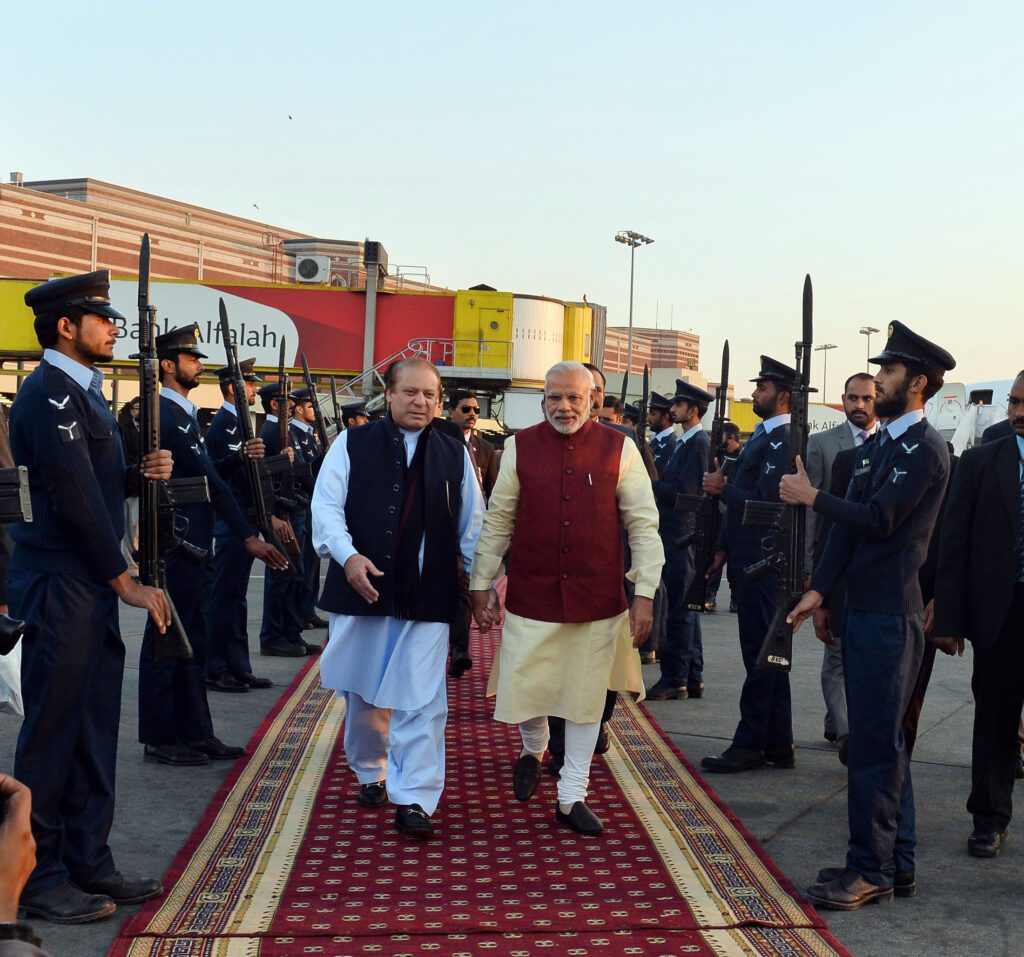
India’s foreign policy long drew sharp lines against outside mediation. But modern crises rarely respect doctrinal purity. Behind public assertions of autonomy, an invisible infrastructure of stabilisation has emerged. As the system becomes more complex, is India redefining autonomy or merely learning to manage a world it cannot exclude?
For much of its post-independence history, India has approached third-party mediation with deep institutional scepticism. This scepticism was not episodic or tactical. It was doctrinal, rooted in the experience of postcolonial state formation and shaped by repeated encounters with external power projecting itself into questions of sovereignty, territory, and national identity.