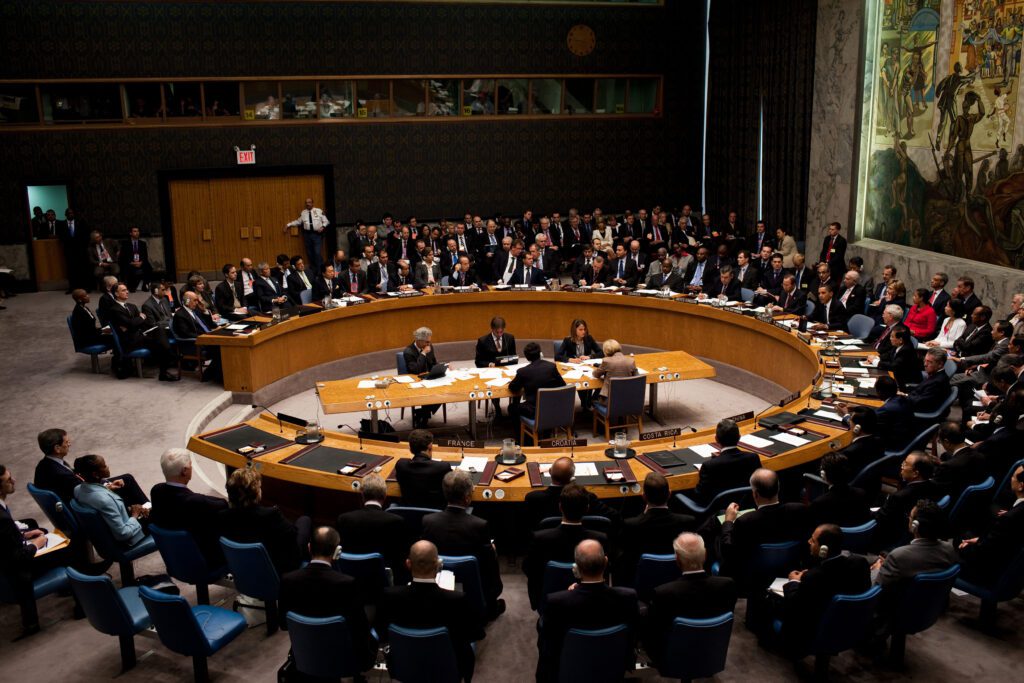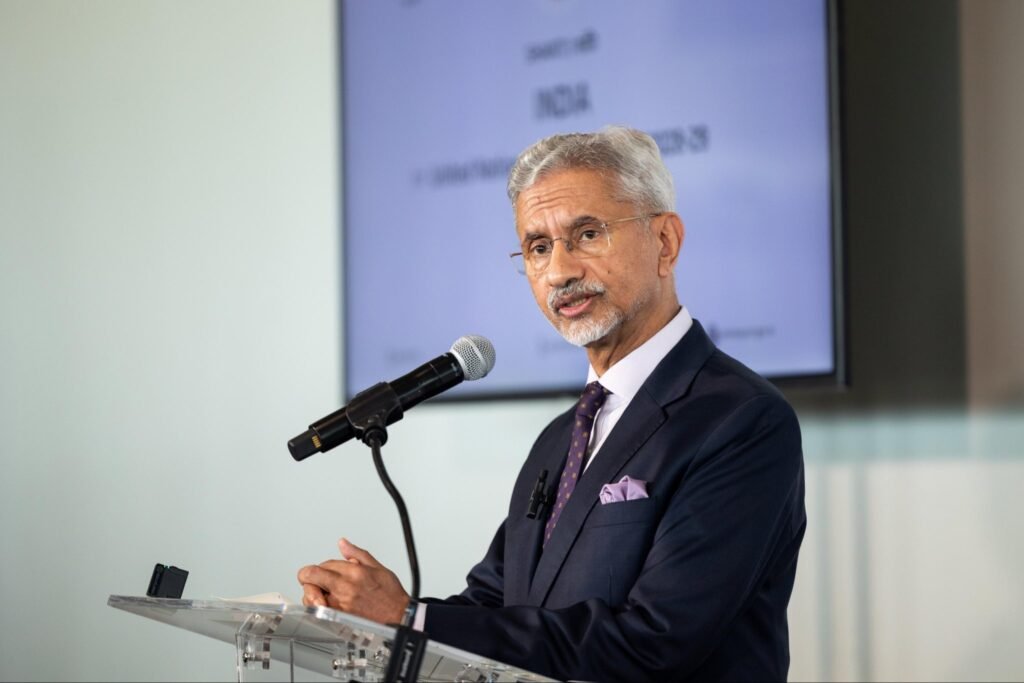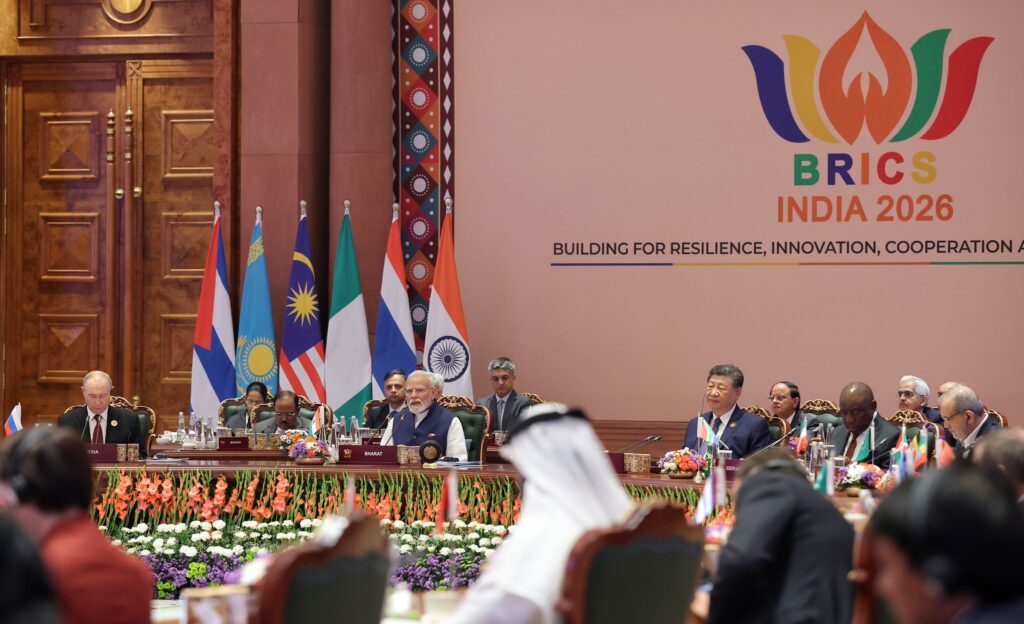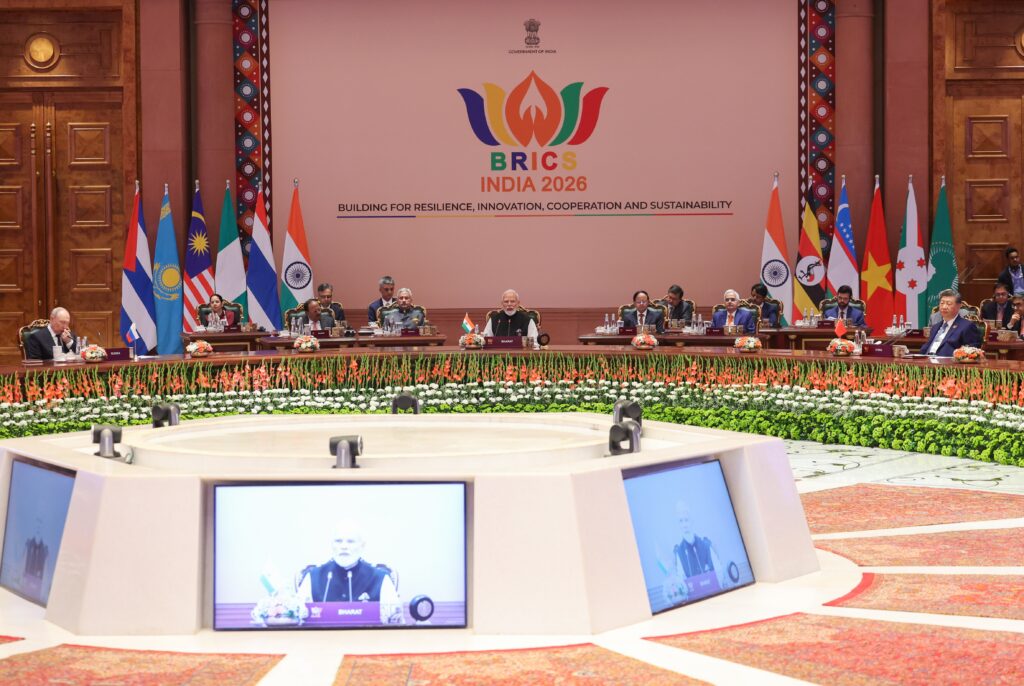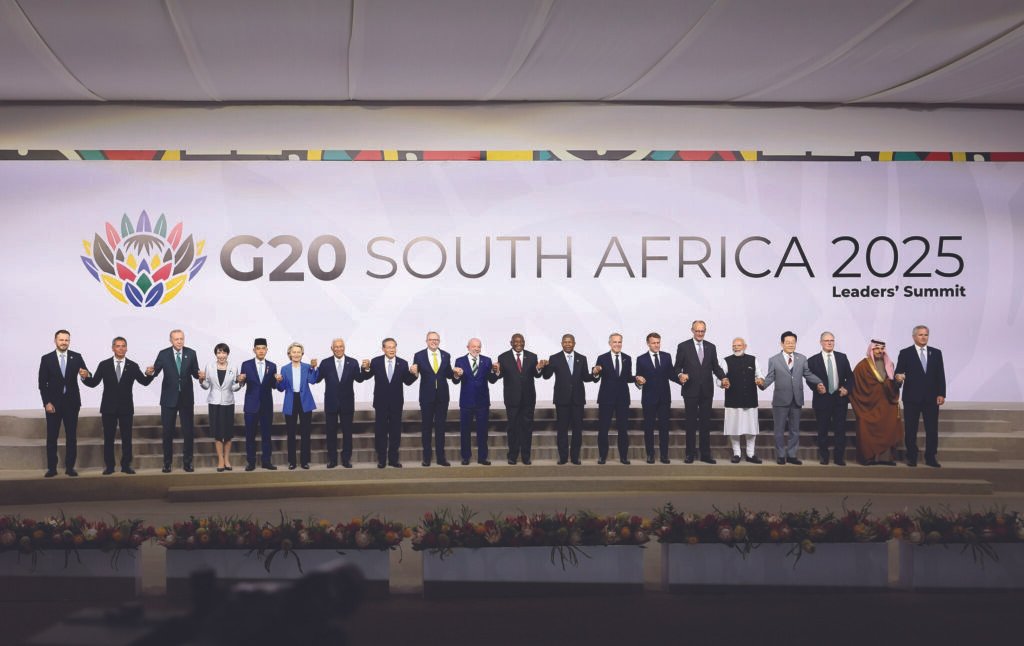
When leaders gathered in Johannesburg for the 2025 G20 Summit, the meeting felt less like a celebration of global cooperation than a reminder of its unravelling. With major powers absent and rival blocs sharpening their edges, the summit exposed a world drifting toward a messy, improvised multipolar order built on resilience rather than rules. Amid such volatility, what strategies can states rely on to endure, and even thrive?
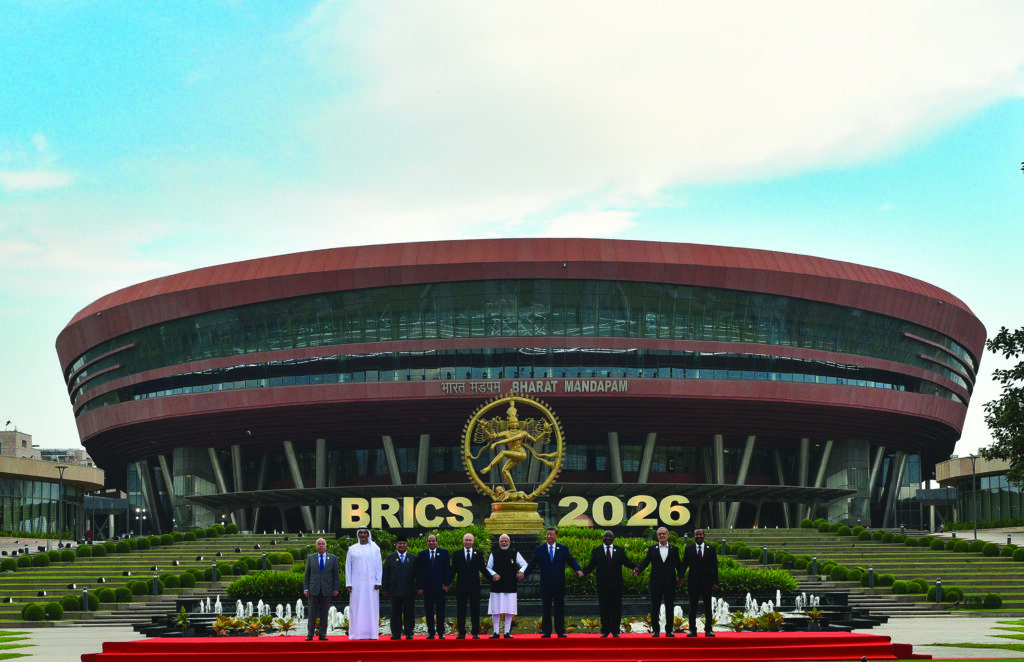
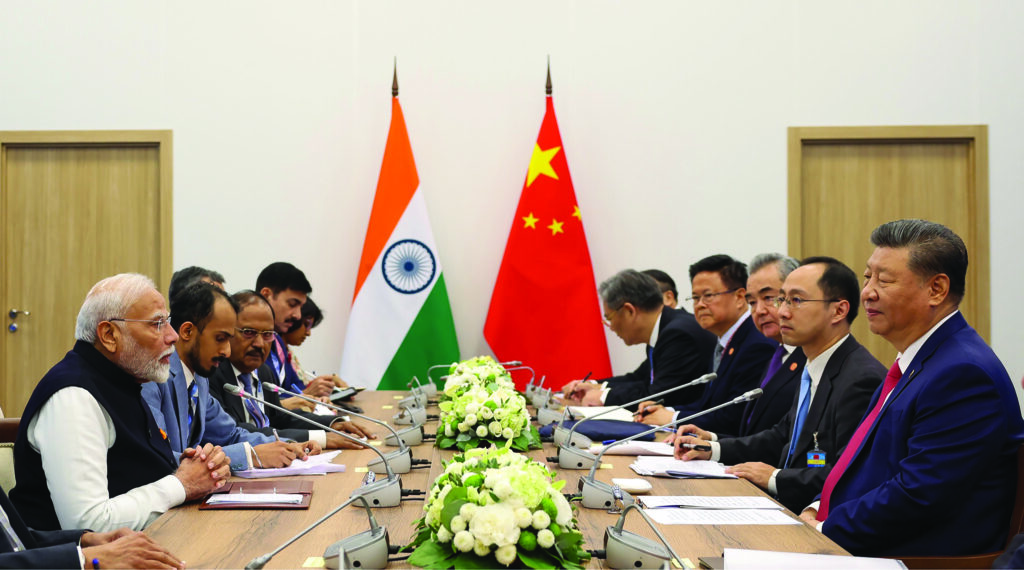
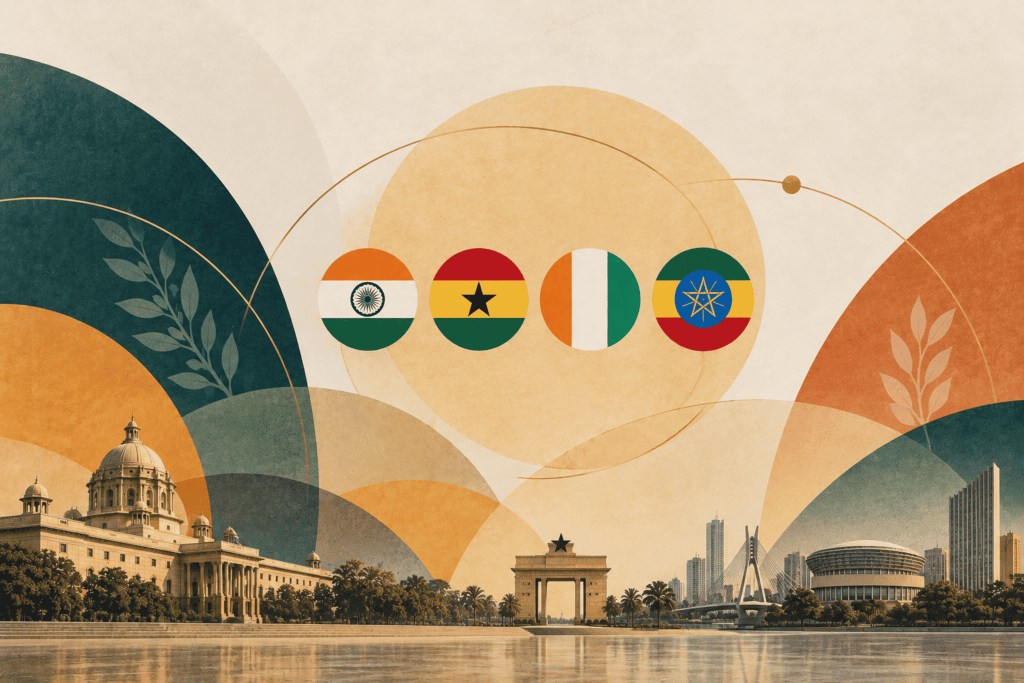
At the end of November 2025, the G20 Summit, a forum of the most significant states on the planet, took place in Johannesburg, South Africa. It brought together representatives of both the “old” global elite, the leading Western states, and the “new” elite, the countries of the world’s majority (the Global South and East) that are growing in influence. This representativeness has always allowed the G20 to be held up as an example of a structure that is responsive to changes in the international arena (unlike the narrow G7, for example). It also provides a platform for discussing and even finding common approaches to global problems. At least, it supposed to be.