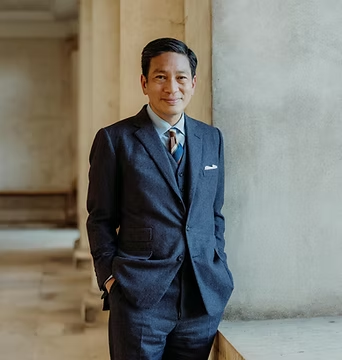
Shivshankar Menon, in A New World Order? Careful What You Wish For (Texas National Security Review, Vol. 9, Issue 1), argues that the contemporary international system is best understood as a world “between orders,” rather than a coherent new global order. Menon defines world order as a set of rules, institutions, and norms created by dominant powers to regulate conflict and cooperation, and stresses that such orders are historically rare and contingent on sustained power preponderance.
Menon situates the present moment against the post–Second World War Anglo-American order and its later neoliberal variant. While these arrangements generated unprecedented global growth and relative stability, they were uneven, exclusionary, and increasingly misaligned with shifting distributions of power. The erosion of this order, he argues, stems from economic multipolarity, the diffusion of military capabilities, and the inward turn of domestic politics in major powers, particularly the United States.
The article cautions against romanticizing either global order or disorder. Past orders coexisted with large-scale violence and inequality, while periods of disorder have sometimes enabled innovation and political change. Today’s “world adrift” is marked by weak collective responses to crises such as pandemics, climate change, debt, and humanitarian emergencies, alongside the partial breakdown of institutions such as the WTO and the non-proliferation regime.
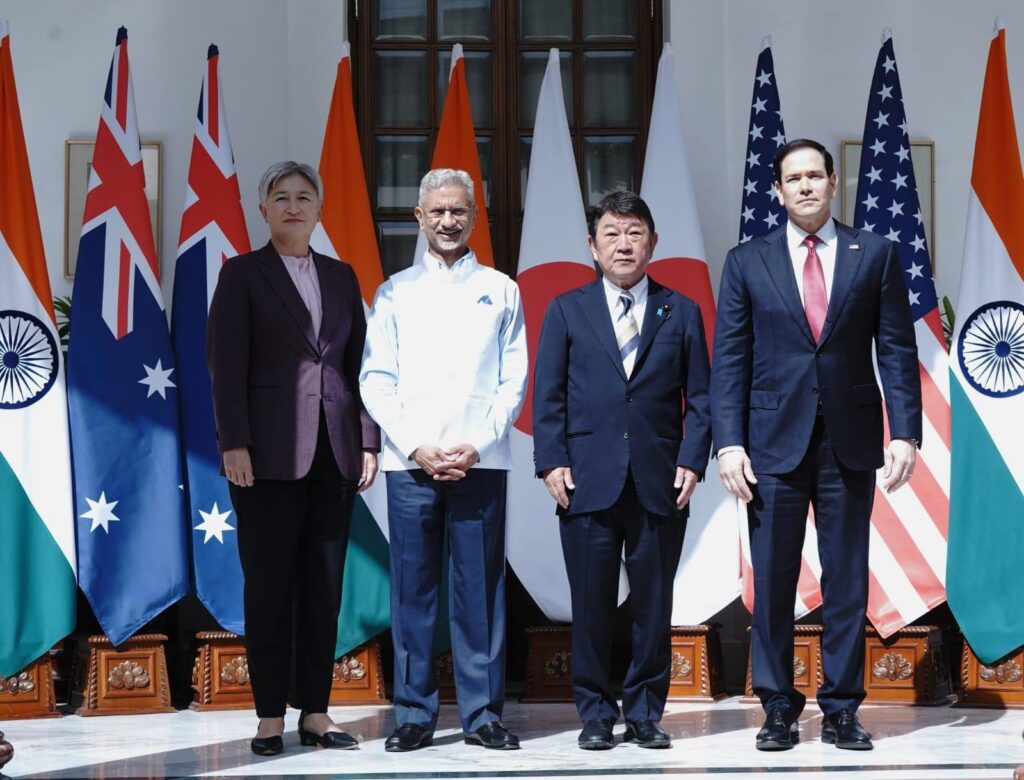
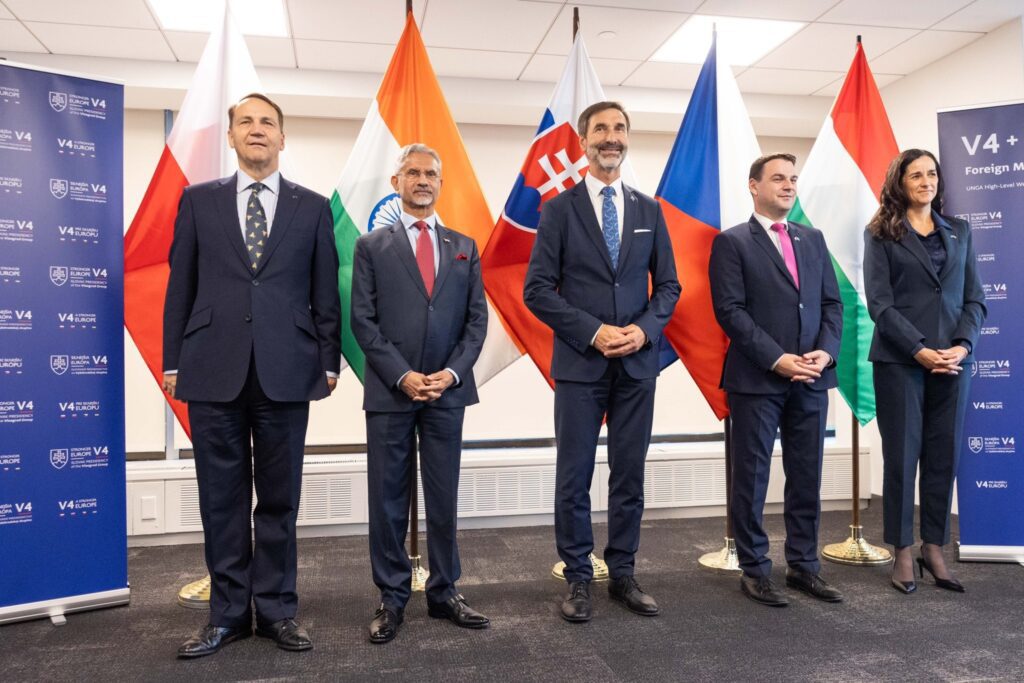
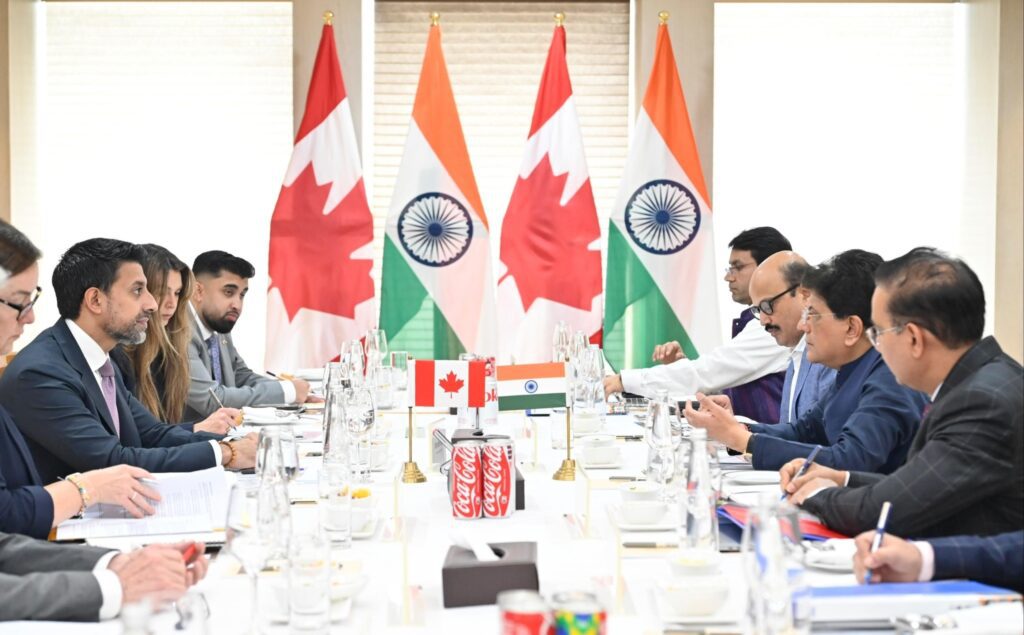
For India, Menon underscores strategic continuity rather than rupture. He traces India’s preference for autonomy from Nehru-era multilateralism through nonalignment to the present emphasis on flexible partnerships. In a fragmented system, India has avoided binding alliances while engaging selectively with the United States, managing ties with China, and maintaining longstanding relations with Russia. Groupings such as the Quad, BRICS, and the SCO are treated as instruments rather than commitments, allowing India to maximize options without being locked into a single bloc. Menon stresses that India’s influence will depend less on shaping a new world order than on steadily building comprehensive national power across economic, technological, military, and diplomatic domains.
Menon concludes that in an unsettled world, prudence and coalition-building matter more than ambitious blueprints. For middle powers like India, the priority is to navigate disorder with restraint, preserve room for choice, and translate growing capabilities into sustained influence rather than seek premature leadership of a new global order.